From a Bench in Our Square
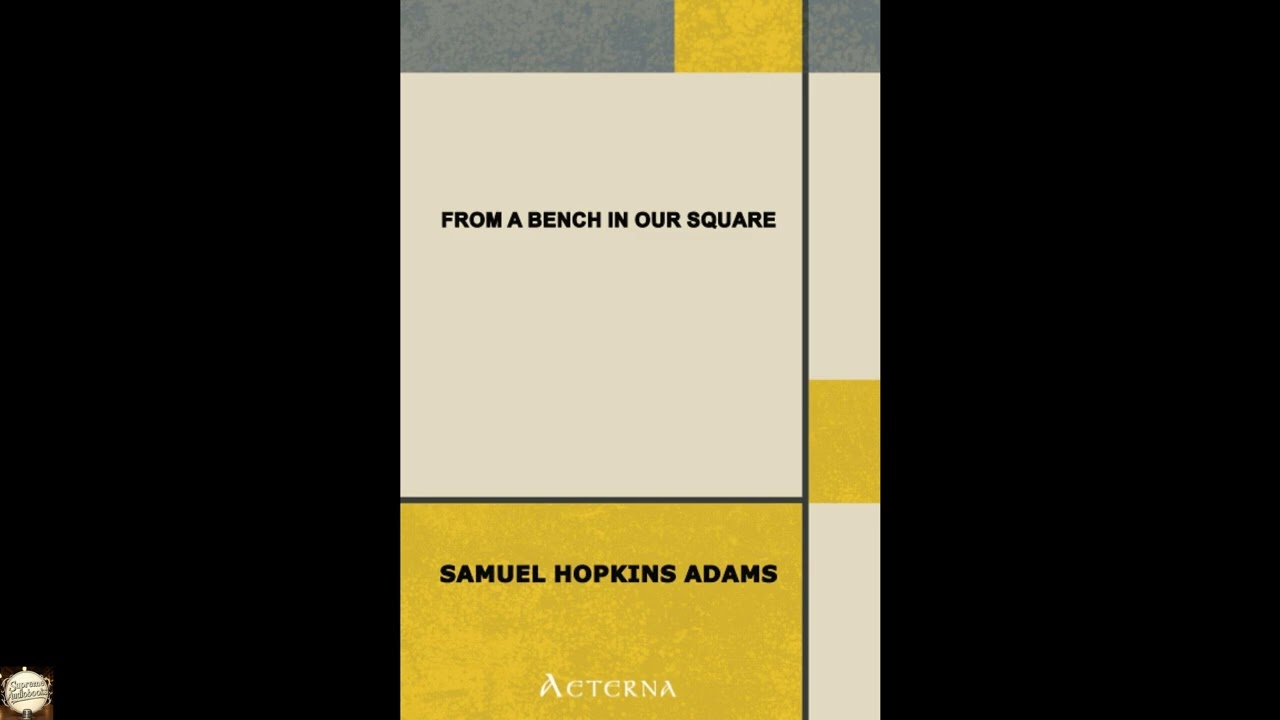
Step into the gentle hum of an American small town, where the grand dramas of life unfold not on a sweeping stage, but on a simple park bench. Samuel Hopkins Adams's From a Bench in Our Square invites you to take a seat beside a silent observer, granting you an intimate glimpse into the hearts and minds of a bygone era. This collection of linked stories, first published in the early 1920s, offers a charming antidote to the frantic pace of modern life, reminding us that wisdom and wonder can often be found in the everyday, in the quiet rhythms of community, and in the enduring foibles and strengths of ordinary people. It’s a work that speaks to the universal desire for connection and understanding, even as it paints a vivid portrait of a specific time and place, making its observations as relevant today as they were a century ago. The fictional community of "Our Square" serves as both the physical and emotional center of this delightful literary offering. Imagine a tranquil, tree-lined space, bordered by modest shops and homes, where the town's lifeblood circulates. At its heart sits the titular bench, a silent sentinel witnessing the comings and goings of a diverse cast of characters. We meet Mrs. Purdy, whose bustling efficiency masks a surprising tenderness; Mr. Flen, the seemingly unremarkable bachelor with a secret passion; and the ever-present assortment of children, gossips, dreamers, and pragmatists who collectively form the town's vibrant character. Each story, often presented as a vignette, peels back a layer of these lives, revealing their quiet aspirations, their minor disappointments, their moments of understated triumph. There isn't a single overarching plot in the traditional sense, but rather a series of interconnected narratives woven together by their shared setting and the recurring presence of the bench. The central 'conflict' often stems from the subtle interplay of personalities, the misunderstandings that arise from small-town chatter, or the personal struggles faced by individuals within their closely observed lives. From the romance blooming between two shy souls to the resolution of a petty neighborhood dispute, the arc of the book is less about a singular dramatic climax and more about the cumulative effect of these small moments, building a composite picture of a community that feels utterly authentic and lived-in. Samuel Hopkins Adams, born in 1871 in Fredonia, New York, left an indelible mark on American literature and journalism, though perhaps not always in the way one might expect from a writer of such gentle stories. Educated at Hamilton College, Adams began his career as a reporter for the New York Sun, cutting his teeth in the competitive world of late 19th-century newspapering. It was during this period that he honed his keen observational skills and developed a precise, factual writing style that would serve him well in his later, more confrontational work. His early experiences instilled in him a skepticism for unchecked power and a deep concern for public welfare, setting the stage for his impactful contributions as a muckraker. Adams rose to national prominence as a pioneering investigative journalist. He worked alongside legendary figures like Lincoln Steffens and Ida Tarbell at McClure's Magazine and Collier's Weekly, where he became a tireless exposer of fraud and corruption. His seminal 1905 series, "The Great American Fraud," unflinchingly documented the dangers and deceptions of patent medicines, revealing how unregulated elixirs often contained harmful ingredients and made false promises. This groundbreaking work significantly contributed to the passage of the Pure Food and Drug Act of 1906, solidifying his legacy as a champion of consumer protection. Beyond his journalism, Adams was also a prolific author of fiction, penning numerous novels and short stories, including the Gilded Age exposé The Clarion and the political novel Revelry, which offered a thinly veiled account of the Harding administration’s scandals. He even contributed to the story for Frank Capra's classic film It Happened One Night. Adams passed away in 1958, leaving behind a body of work that demonstrated both a sharp critical eye and a genuine warmth for human nature. From a Bench in Our Square enacts several enduring themes, foremost among them being the subtle yet profound importance of community. The shared experiences of the townspeople, from their collective gossip to their mutual support in times of trouble, illustrate how a close-knit environment shapes individual lives. We see this through the reactions of neighbors to a new arrival, or the unspoken understandings between long-time residents who have witnessed each other's histories unfold. Another central theme is the beauty of the mundane. Adams elevates the everyday occurrences—a stroll through the square, a chance encounter, a simple conversation—to moments of quiet significance, showing how profound insights can emerge from seemingly unremarkable events. For instance, a seemingly trivial interaction between a child and an elderly gentleman reveals deeper truths about memory and generational connection. The book also thoughtfully addresses the theme of human nature, presenting a nuanced view of its inherent complexities. Characters are rarely purely good or bad; instead, they possess a compelling mix of virtues and flaws, often displaying surprising depths beneath placid exteriors. A character who initially appears gruff might reveal a hidden generosity, while another’s apparent charm could mask a touch of self-interest. This nuanced portrayal invites listeners to reflect on their own understanding of human behavior. Furthermore, a thread of gentle nostalgia runs through the collection, a longing for a simpler, perhaps more innocent time. This sentiment is not saccharine, but rather reflective, acknowledging the inevitable march of progress while cherishing the values and traditions of a passing era. The very act of observing from a fixed bench implies a contemplation of time's flow and the changes it brings. When From a Bench in Our Square was published in 1922, America was in a state of rapid flux. The "Roaring Twenties" were just beginning to roar, characterized by a post-World War I exuberance, increasing urbanization, and significant social shifts. Prohibition was the law of the land, women's suffrage was newly enacted, and technological advancements were reshaping daily life. Amidst this period of dizzying change, many Americans felt a tug towards the familiar, the comfort of tradition, and the perceived simplicity of small-town existence. This literary work emerged as a response to that cultural moment, offering a respite from the clamor and a quiet affirmation of the enduring qualities of community and human connection. It provided readers with a nostalgic glance back, even as the world around them hurtled forward, reminding them of values that might be getting lost in the rush. Adams, a veteran of exposing industrial and political ills, here turned his observant eye to the delicate ecosystem of small-town life, perhaps seeing it as a precious thing worth preserving in the collective imagination. Listening to From a Bench in Our Square as an audiobook offers a particularly immersive and intimate experience. The observational nature of these stories, where much of the atmosphere is built through subtle descriptions and unspoken implications, lends itself wonderfully to spoken word. A skilled narrator can perfectly capture the gentle, reflective tone, bringing to life the distinctive voices and mannerisms of the townspeople without over-dramatizing the quiet unfolding of their lives. With a run length of several hours, this makes for an ideal companion during leisurely activities, whether you’re puttering around the house, taking a quiet walk, or simply unwinding after a busy day. Listen for the narrator's pacing, which should mirror the unhurried rhythm of life in "Our Square," allowing you to absorb the nuances of dialogue and the rich descriptions of setting. The audio format truly enhances the feeling of sitting right there on that bench, a silent participant in the unfolding panorama of small-town existence.
Enjoyed From a Bench in Our Square? A few ways to support us
Audible & Amazon links are affiliate; we may earn a small commission at no extra cost.
About this production
Human narration by a volunteer reader from LibriVox.org, the public-domain audiobook project. LibriVox volunteers record literary works whose copyright has expired in the United States, releasing the resulting recordings into the public domain.
From a Bench in Our Square by Samuel Hopkins Adams. The underlying text is in the U.S. public domain. We do not republish any modern copyrighted edition, translation, or commentary.
The 4K cinematic visuals accompanying this audiobook are generated by an AI image model from prompts derived from the source text. No copyrighted photos, paintings, or stock footage are used. AI generation is disclosed on every video on our YouTube channel as required by YouTube's altered/synthetic content policy.
English subtitles are transcribed from the LibriVox recording with OpenAI Whisper. Translations into the 11 other supported languages are produced by Meta's NLLB-200 neural translation model. No human translator's copyrighted translation is used.
Questions about sourcing or rights? See our DMCA & Sourcing policy or contact us.
Enjoyed this audiobook?
If you'd like to own a copy of From a Bench in Our Square or hear a professionally produced edition, the links below help support free audiobook production at no extra cost to you.
As an Amazon Associate we earn from qualifying purchases. Audible / print links are affiliate.