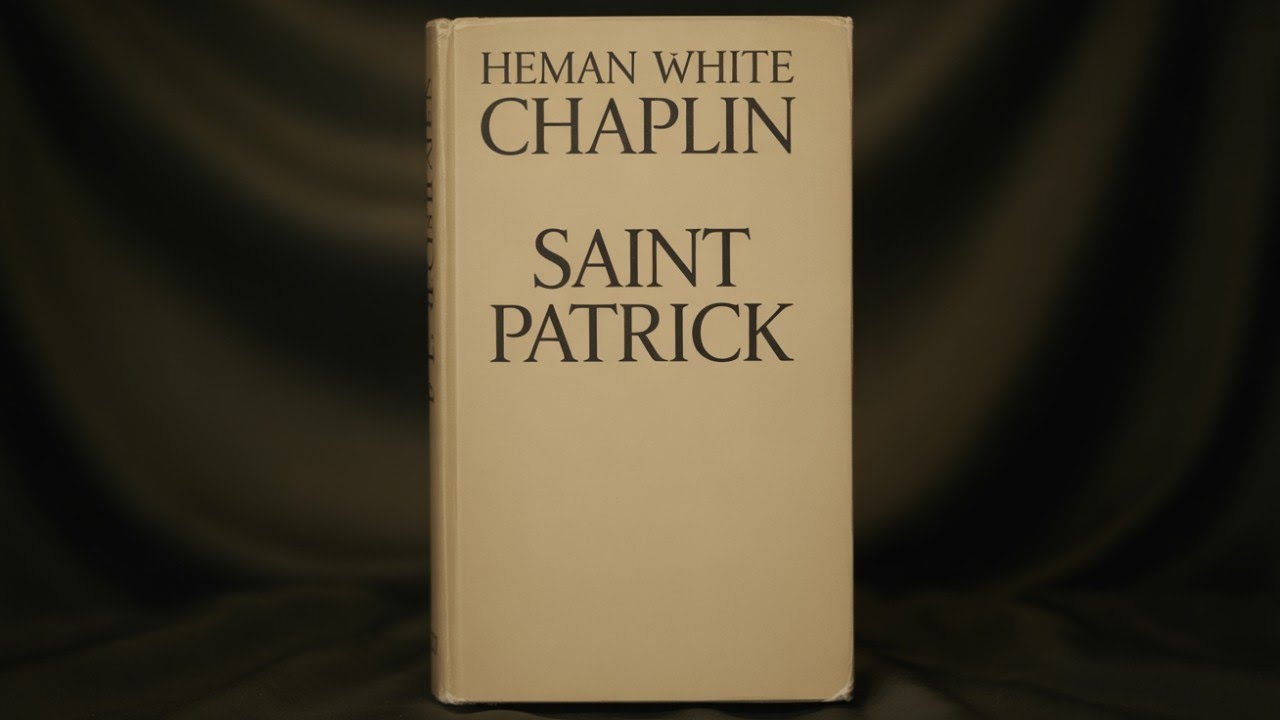
Five Hundred Dollars - First published in the "Century Magazine"
"Five Hundred Dollars" first appeared in the esteemed pages of "Century Magazine," offering readers a sharp and insightful glimpse into American life during a period of rapid social and economic transformation. This classic short story by Heman White Chapin distills complex human motivations into a compelling narrative, demonstrating how a seemingly simple sum of money can unravel lives, expose character, and ignite unexpected moral dilemmas. Listeners today will recognize the enduring relevance of its questions about integrity, community, and the true cost of wealth, making it a powerful listen that transcends the specific circumstances of its late nineteenth-century origin. It's a story that asks us to consider what we would do when faced with temptation and the profound ripple effects of our choices. The story unfolds in a meticulously drawn small American town, a place where reputations are carefully guarded and gossip travels faster than newsprint. We are introduced to the central figure, a man whose life appears unremarkable—a diligent if somewhat austere individual, known for his prudence and adherence to social conventions. His quiet existence is abruptly upended when he unexpectedly comes into possession of five hundred dollars, a significant sum for the time, found under circumstances that render its ownership ambiguous. This discovery sets the stage for the narrative's central conflict, as the protagonist grapples with the moral quandary of whether to return the money, locate its rightful owner, or claim it for himself. The narrative meticulously details the psychological struggle that ensues. The initial thrill of the unexpected windfall slowly gives way to a gnawing unease as the protagonist weighs his options. We observe his internal debates, the subtle shifts in his demeanor, and the ways this secret possession begins to influence his interactions with his family, his neighbors, and his own conscience. The story introduces a cast of secondary characters—the sharp-eyed local banker, the inquisitive postmaster, a seemingly innocent child—each of whom, inadvertently or intentionally, contributes to the protagonist's growing sense of pressure and moral scrutiny. The unfolding events are not dramatic in the conventional sense, but rather a slow, deliberate tightening of the screw, revealing the subtle ways a single act can perturb the equilibrium of an individual and their community. The tension builds not through outward conflict, but through the protagonist's internal wrestling with an ethical dilemma that tests the very foundations of his perceived character, drawing the listener ever deeper into his predicament. Heman White Chapin represents a particular strain of American author writing toward the close of the nineteenth century, a period often characterized by its burgeoning literary magazines and a growing appetite for realistic fiction. While specific biographical details about Chapin are less widely documented than those of some of his more prolific contemporaries, his contribution to "Century Magazine" underscores his place within the literary landscape of the era. The "Century," founded in 1881, was a premier platform for American authors, publishing both established literary figures and promising new voices, and its pages offered a vital space for stories that reflected the changing social fabric of the United States. Authors like Chapin, whether their careers were brief or extended, played a crucial role in shaping the literary sensibilities of their time. They often focused on character studies, social observation, and moral questions pertinent to a rapidly industrializing nation. Without extensive records of other works or a detailed personal history readily available, Chapin stands as a compelling example of the numerous talents who contributed significantly to the rich periodical culture of post-Civil War America, helping to define the short story as a distinctive American literary form and laying groundwork for what would become known as American realism. His appearance in "Century Magazine" alone signals a level of craftsmanship and thematic relevance that resonated with the discerning readership of the day, reflecting a shared understanding of human nature and societal concerns. "Five Hundred Dollars" skillfully brings several enduring themes to the forefront. One prominent idea is the corrupting influence of unearned wealth, or perhaps more accurately, the temptation of it. The discovery of the money acts as a catalyst, slowly eroding the protagonist's peace of mind and integrity. For instance, early in the story, the character is depicted as content, but after finding the sum, his daily routines and even his relationships become colored by his secret, illustrating how material gain can become a psychological burden. Another core theme is the nature of honesty and reputation within a close-knit community. The protagonist's internal struggle is amplified by the constant awareness of how his actions might be perceived by his neighbors, reflecting the social pressures of the time and the high value placed on moral uprightness. The text subtly demonstrates this through scenes where the protagonist imagines the reactions of others or attempts to behave "normally" despite his inner turmoil, revealing the performative aspect of virtue. Furthermore, the story thoughtfully examines the concept of moral ambiguity and the gray areas between right and wrong. The money isn't stolen; it's found. This nuance forces the character—and the listener—to confront how ethical boundaries can blur when personal gain is involved and the owner is unknown. The narrative avoids easy answers, instead portraying the psychological complexity of deciding what constitutes justice when no clear victim or villain is immediately apparent. Lastly, the narrative quietly observes the subtle power dynamics within small-town life, where financial status and moral standing often intertwine. The perceived respectability of the protagonist before the discovery serves to heighten the tension of his potential fall from grace, showcasing how an individual's standing in a community can be precarious, dependent not just on actions but also on inner truth. "Five Hundred Dollars" emerged from a period in American history marked by significant societal shifts. The late nineteenth century, often called the Gilded Age, was a time of immense economic growth and industrialization following the Civil War, but also one of growing social inequality and rapid urbanization. Literary magazines like "Century Magazine" served as crucial platforms for public discourse, reflecting both the aspirations and anxieties of the era. They provided a space where authors could comment on the changing moral landscape as the nation transitioned from an agrarian society to an industrial powerhouse. The themes of personal integrity, the allure of money, and the maintenance of reputation in a community were particularly resonant as traditional values were tested by new opportunities and new forms of wealth. This was also a key moment for the development of American realism in literature. Writers were moving away from romanticism and transcendentalism, focusing instead on depicting life as it truly was—with its ordinary struggles, moral dilemmas, and psychological complexities. "Five Hundred Dollars" fits squarely within this movement, eschewing grand gestures for a focused examination of an individual's internal conflict and the subtle ways societal pressures shape human behavior. The story's setting in a small town is no accident; it represents a microcosm where these larger societal shifts could be observed on a human scale, allowing for a concentrated study of character under pressure without the distractions of a sprawling urban environment, making the story a valuable artifact of its time. To experience "Five Hundred Dollars" as an audiobook is to immerse oneself directly into the quiet intensity of its narrative. The narration brings Chapin's carefully crafted prose to life, allowing the listener to fully absorb the subtle shifts in tone and the unspoken anxieties of the protagonist. A skilled narrator will underscore the internal monologue, making the character's moral struggle palpable through pacing and vocal nuance. The story's length, spanning several hours, is ideal for extended listening sessions, perfect for a commute, a quiet evening at home, or even a long walk, inviting a contemplative engagement with its themes. Listen for the narrator's interpretation of the dialogue, which, though sparse, carries significant weight, revealing much about the small-town dynamics and the protagonist's eroding composure. The atmospheric delivery can evoke the precise sense of place and time, transporting listeners directly into the late nineteenth-century world Chapin so precisely rendered, making the internal drama feel immediate and deeply personal.
Enjoyed Five Hundred Dollars - First published in the "Century Magazine"? A few ways to support us
Audible & Amazon links are affiliate; we may earn a small commission at no extra cost.
About this production
Human narration by a volunteer reader from LibriVox.org, the public-domain audiobook project. LibriVox volunteers record literary works whose copyright has expired in the United States, releasing the resulting recordings into the public domain.
Five Hundred Dollars - First published in the "Century Magazine" by Heman White Chaplin. The underlying text is in the U.S. public domain. We do not republish any modern copyrighted edition, translation, or commentary.
The 4K cinematic visuals accompanying this audiobook are generated by an AI image model from prompts derived from the source text. No copyrighted photos, paintings, or stock footage are used. AI generation is disclosed on every video on our YouTube channel as required by YouTube's altered/synthetic content policy.
English subtitles are transcribed from the LibriVox recording with OpenAI Whisper. Translations into the 11 other supported languages are produced by Meta's NLLB-200 neural translation model. No human translator's copyrighted translation is used.
Questions about sourcing or rights? See our DMCA & Sourcing policy or contact us.
Enjoyed this audiobook?
If you'd like to own a copy of Five Hundred Dollars - First published in the "Century Magazine" or hear a professionally produced edition, the links below help support free audiobook production at no extra cost to you.
As an Amazon Associate we earn from qualifying purchases. Audible / print links are affiliate.