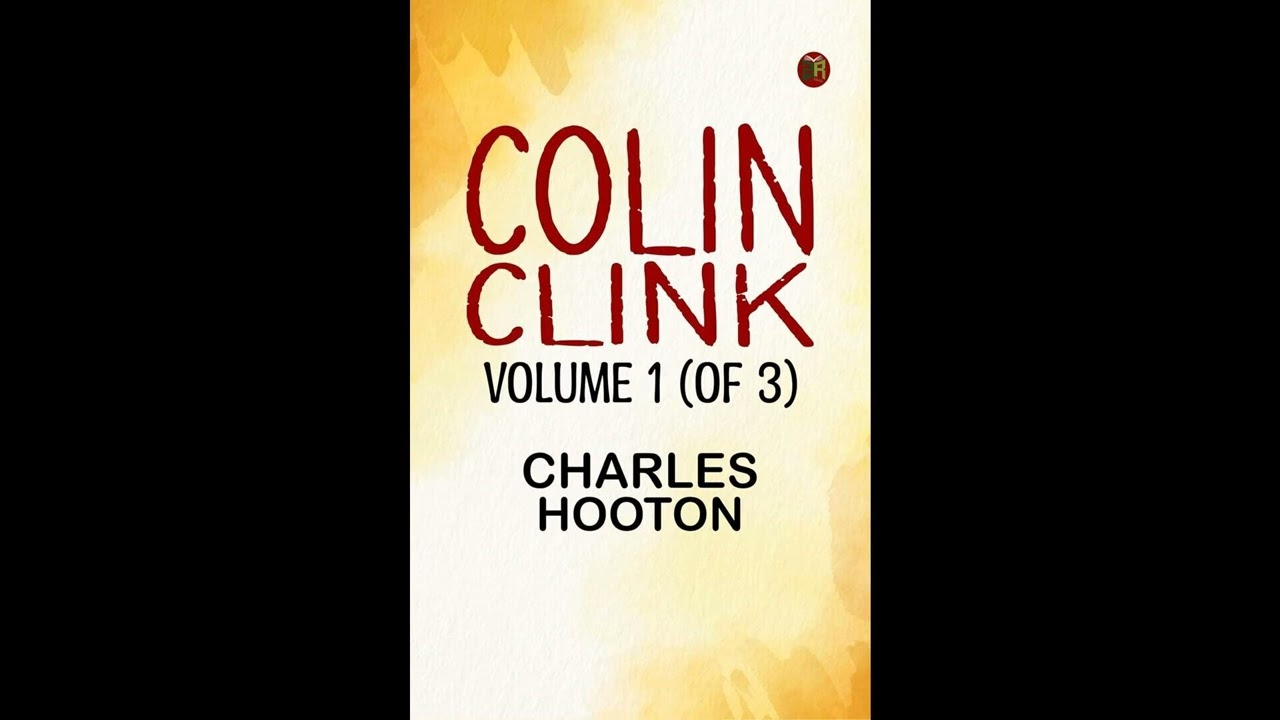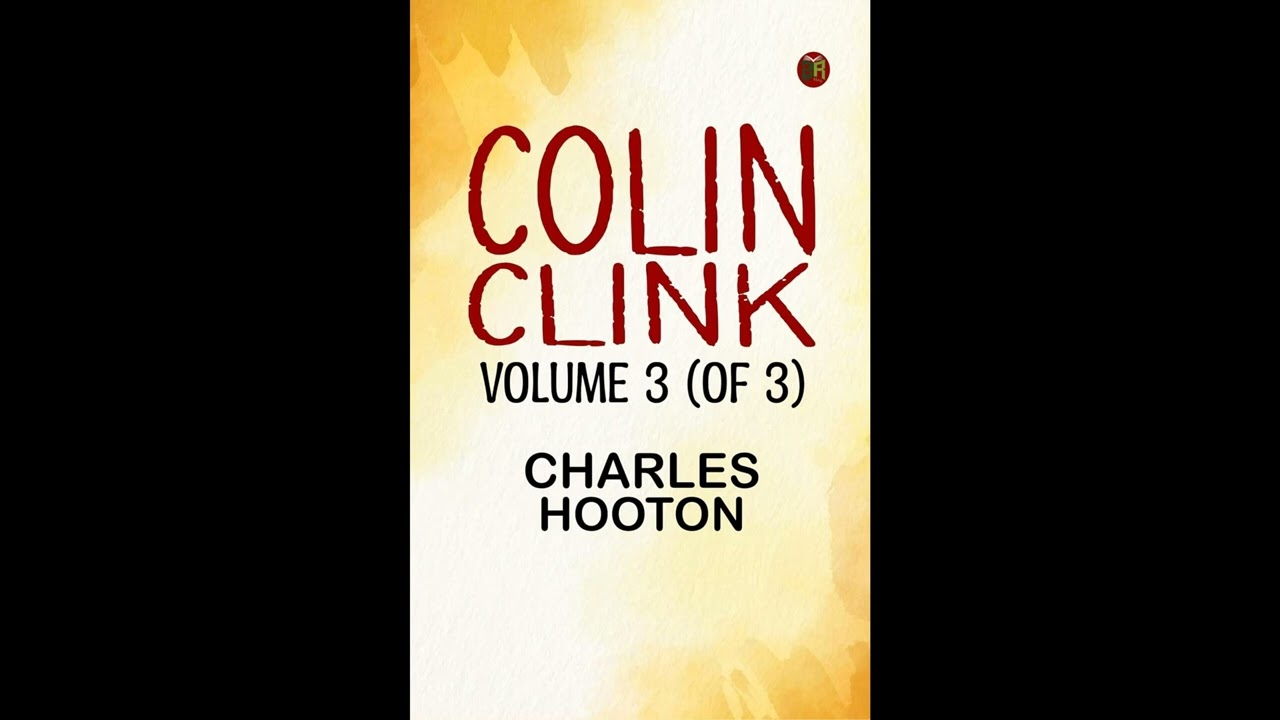
Colin Clink Volume 3 (of 3)
“Colin Clink Volume 3” brings to a dramatic close one of the nineteenth century’s most widely read and discussed serial novels. This final installment is more than just the concluding chapter of a lengthy saga; it is a profound examination of destiny, social justice, and the ultimate triumph of truth against formidable odds, offering listeners a complete narrative resolution while also providing a panoramic view of the societal anxieties and moral quandaries that defined its era. For those seeking to immerse themselves in a sweeping story of inheritance, identity, and intricate social machinations, Charles Hooton’s culminating volume stands as a compelling testament to the enduring power of classic storytelling. The story, unfolding across the sprawling landscapes of Victorian England, reaches its crescendo in this third volume, which picks up with our protagonist, Colin Clink, still grappling with the lingering shadows of his uncertain parentage and the machinations of those who wish to deny him his rightful place. From the bustling, fog-shrouded streets of London to the deceptively serene country estates, Clink has fought relentlessly to uncover the truth behind his birth and to secure the inheritance—both material and emotional—that has been so cruelly withheld. His quest has been fraught with peril, involving deceitful relatives, elusive documents, and the ever-present threat of ruin, both financial and reputational. Central to the conflict in this volume is the looming legal battle that threatens to either affirm Colin’s legitimacy and claims or condemn him to a life of obscurity and disinheritance. Opposing him is a formidable antagonist, whose cunning and ruthlessness have defined much of the previous volumes, and whose final, desperate attempts to secure the fortune for themselves drive much of the tension here. As the narrative progresses, long-buried secrets surface, family trees are meticulously scrutinized, and the loyalties of various characters are tested to their breaking point. Colin finds himself relying on a small circle of trusted allies, including a sharp-witted solicitor and a steadfast young woman whose fate is inextricably linked to his own. The story builds with an escalating sense of urgency, moving towards a climactic revelation that promises to redefine not just Colin’s future, but the very understanding of justice within the rigid social structures of the period. Charles Hooton, the author of this ambitious trilogy, was a significant literary voice of his generation, recognized for his astute observations of human nature and his ability to construct narratives of immense scope and detail. Active during the mid-Victorian era, Hooton honed his craft through journalistic endeavors before turning his talents to novel writing, a background that no doubt contributed to the vivid realism and social commentary evident throughout his fiction. Though specific dates for his birth and passing are not widely circulated, his presence in the literary salons and publishing houses of London during the period after 1840 is well-documented, placing him firmly among the celebrated writers whose works were devoured in weekly and monthly installments. His literary output, while perhaps less voluminous than some of his contemporaries, consistently garnered critical attention and a dedicated readership. Beyond the “Colin Clink” series, Hooton was also known for his standalone novels such as “The Serpent in the Garden,” a biting satire of provincial hypocrisy, and “Echoes from the Alley,” a collection of sketches depicting the struggles of London’s working poor. He was often aligned with the emerging school of social realist novelists who used their fiction not only to entertain but also to shed light on the pressing social issues of the day, from the plight of orphans to the corruption inherent in legal and financial systems. His prose style, characterized by its clarity, meticulous description, and a keen ear for dialogue, ensured that his characters—from the most virtuous to the most villainous—felt remarkably alive and believable. The themes Hooton addresses in “Colin Clink Volume 3” are as resonant today as they were upon its initial publication. One prominent theme is the relentless pursuit of truth against deception. Colin’s entire existence has been a struggle against a web of lies surrounding his parentage. For example, a scene where he pores over ancient parish registers, cross-referencing names and dates, vividly illustrates his painstaking efforts to unearth factual evidence, even as a powerful adversary attempts to destroy or falsify crucial documents. This desperate search for objective reality, often hidden beneath layers of intentional obfuscation, provides much of the narrative’s driving force. Another central idea is the impact of social class and birthright on an individual’s destiny. Colin, despite his inherent goodness and intelligence, is repeatedly hampered by the stigma of his unknown origins, illustrating how societal prejudices could dictate one’s fate regardless of personal merit. Furthermore, Hooton effectively critiques the corrosive nature of greed and ambition. The principal antagonist’s insatiable desire for wealth and status leads them to commit increasingly desperate acts, demonstrating how avarice can warp morality and destroy familial bonds. The author presents compelling arguments for the enduring power of love and loyalty as counterforces to these destructive impulses. The steadfast support Colin receives from his friends and prospective beloved, who stand by him despite immense pressure and danger, offers a comforting counterbalance, suggesting that genuine human connection can ultimately overcome even the most malevolent schemes. The mid-nineteenth century, when “Colin Clink” captivated readers, was a period of immense social and economic upheaval in England. The Industrial Revolution had profoundly reshaped urban centers, creating both unprecedented wealth and stark poverty, while the expansion of the British Empire brought new anxieties and opportunities. It was also the golden age of the serial novel, a format that allowed authors like Hooton to reach a vast audience through weekly or monthly installments, fostering a collective anticipation and discussion around ongoing narratives. This method of publication naturally lent itself to intricate, sprawling plots with cliffhanger endings designed to keep readers invested, and Hooton skillfully utilized this structure to build suspense across three substantial volumes. Against this backdrop, works like “Colin Clink” resonated deeply with a public grappling with questions of social mobility, justice for the underprivileged, and the moral responsibilities of the wealthy. The novel emerged as a reflection of these societal tensions, providing both escapism and a lens through which to examine the inequities and aspirations of a rapidly changing world. Its focus on inherited secrets and the quest for identity spoke to an era increasingly concerned with lineage and legitimacy in a society where status was paramount, making the story feel both universally appealing and acutely relevant to its time. Listening to “Colin Clink Volume 3” as an audiobook offers a singular opportunity to fully immerse oneself in Hooton’s meticulously constructed world. The narrator's performance breathes life into the complex array of characters, from Colin’s steadfast determination to the villain’s chilling cunning, distinguishing each voice with a nuance that enhances the emotional impact of the dialogue. The length, spanning several hours, is ideal for extended listening sessions, whether during a commute, while tending to household tasks, or simply relaxing into a compelling story. Listeners will appreciate the pacing, which allows moments of quiet contemplation to build into stretches of intense drama and suspense, drawing them deeper into the mysteries and confrontations that define this concluding volume. The atmosphere, rich with the sounds and sensibilities of Victorian England, comes alive through carefully modulated tones, making the experience a truly captivating journey into a bygone era.
Enjoyed Colin Clink Volume 3 (of 3)? A few ways to support us
Audible & Amazon links are affiliate; we may earn a small commission at no extra cost.
About this production
Human narration by a volunteer reader from LibriVox.org, the public-domain audiobook project. LibriVox volunteers record literary works whose copyright has expired in the United States, releasing the resulting recordings into the public domain.
Colin Clink Volume 3 (of 3) by Charles Hooton. The underlying text is in the U.S. public domain. We do not republish any modern copyrighted edition, translation, or commentary.
The 4K cinematic visuals accompanying this audiobook are generated by an AI image model from prompts derived from the source text. No copyrighted photos, paintings, or stock footage are used. AI generation is disclosed on every video on our YouTube channel as required by YouTube's altered/synthetic content policy.
English subtitles are transcribed from the LibriVox recording with OpenAI Whisper. Translations into the 11 other supported languages are produced by Meta's NLLB-200 neural translation model. No human translator's copyrighted translation is used.
Questions about sourcing or rights? See our DMCA & Sourcing policy or contact us.
Enjoyed this audiobook?
If you'd like to own a copy of Colin Clink Volume 3 (of 3) or hear a professionally produced edition, the links below help support free audiobook production at no extra cost to you.
As an Amazon Associate we earn from qualifying purchases. Audible / print links are affiliate.