About Anna Katharine Green
Among the trailblazing figures who shaped the modern detective novel stands Anna Katharine Green (1846–1935), a writer whose keen intellect and meticulous plotting captivated readers for decades. Born in Brooklyn, New York, on November 11, 1846, Green spent her early years with a passion for literature, particularly poetry. She attended Vassar Female College, graduating in 1867, where she nurtured ambitions of becoming a celebrated poet. Despite her dedication, her early poetic efforts did not achieve widespread recognition, leading her to consider other avenues for her creative energy.
Green’s pivot from poetry to prose proved to be a pivotal moment for literature itself. Entering the burgeoning American publishing world of the late 19th century, a time ripe for popular fiction, she found her true calling in the nascent genre of detective stories. In 1878, she released *The Leavenworth Case*, a novel that introduced the quiet, unassuming detective Ebenezer Gryce and instantly solidified her reputation. The book, a sensation upon its publication, was praised for its clever construction and detailed legal procedures, setting a new standard for crime fiction.
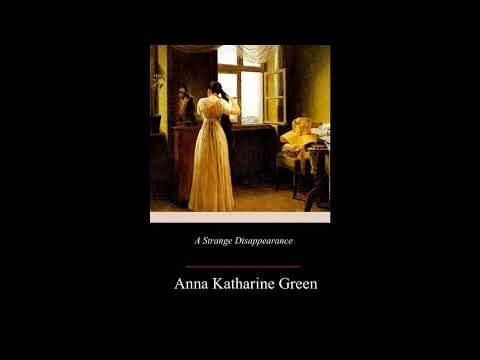
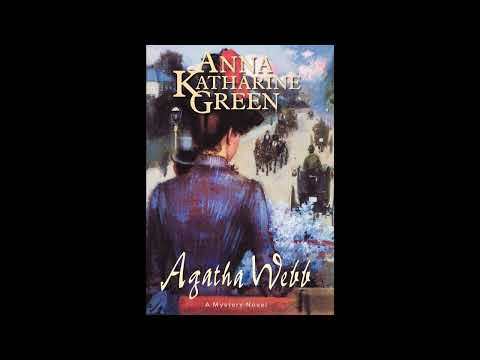
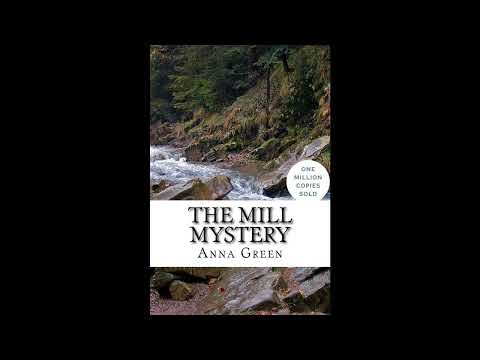
Over her prolific career, Green penned numerous works that refined the genre’s conventions. *A Strange Disappearance* (1880) follows the bewildering vanishing of a young woman from her home, while *The Mill Mystery* (1886) centers on a murder discovered in an abandoned mill. Her novel *Agatha Webb* (1899) presents a puzzling death in a seemingly peaceful rural community, and *Midnight In Beauchamp Row* (1895) untangles a web of family secrets surrounding a crime. *A Difficult Problem* (1900), a collection of shorter works, showcased her versatility in crafting various criminal puzzles.
Green’s writing is characterized by its rigorous logic and her commitment to fair play with the reader, providing all necessary clues for solving the mystery. She often utilized elements such as locked-room scenarios and unexpected twists, constructing narratives where observation and deduction were paramount. Her plots frequently turn on complex details and psychological insights into her characters’ motives, rather than relying on sensationalism. For example, in *The Leavenworth Case*, Green meticulously details the crime scene and the evidence found, allowing the reader to follow Gryce's process of elimination and reasoning every step of the way. She was also notable for featuring strong, independent female characters, often involved in the investigative process or as key witnesses.
Anna Katharine Green is widely acknowledged as one of the foundational figures of detective fiction, often referred to as the “mother of the detective novel” in America. Her innovations in plot structure, her creation of a recurring detective character, and her emphasis on forensic detail significantly influenced subsequent generations of crime writers. Authors like Agatha Christie and Arthur Conan Doyle, who would later become giants in the genre, built upon the frameworks and techniques Green helped establish. She demonstrated that detective stories could be intellectually stimulating and popular, paving the way for the genre's widespread appeal.
Her meticulously crafted mysteries continue to entertain, offering a glimpse into the origins of a beloved literary form, now available to listeners as a free audiobook.
More on Wikipedia →