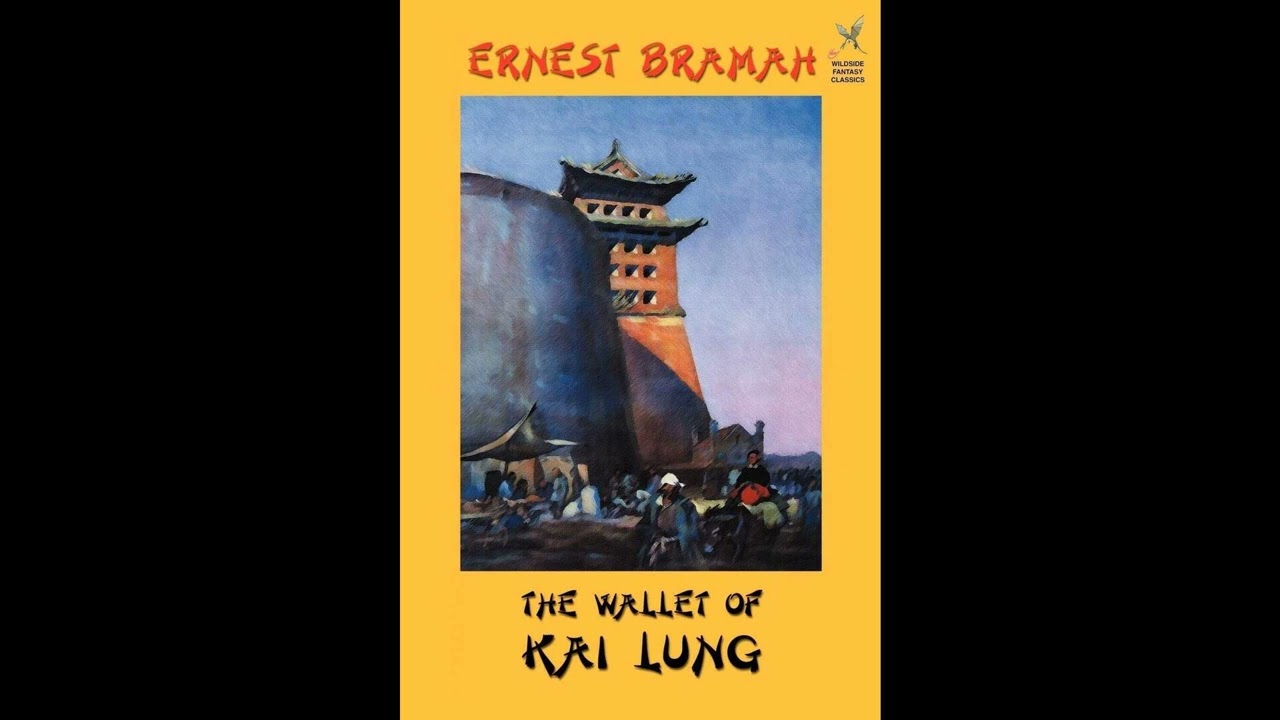
The Wallet of Kai Lung
Step into a world where quick wit and artful narrative hold more sway than rigid law or brute force. Ernest Bramah’s The Wallet of Kai Lung introduces a literary creation unlike any other: a humble but extraordinarily resourceful Chinese storyteller who navigates a landscape of pompous mandarins, cunning bandits, and beautiful maidens by spinning tales that invariably save the day. This collection of linked stories, first published in 1920, stands as a quiet marvel of English literature, offering a unique blend of pseudo-Oriental fantasy, wry humor, and philosophical satire. For listeners today, it provides not merely an escape into a beautifully imagined bygone era, but also a clever and gently subversive commentary on human nature, bureaucracy, and the surprising power of a well-told story, serving as a charming and intellectually stimulating antidote to modern complexities. The world Kai Lung inhabits is a fantastical, vaguely Chinese empire, a place where officialdom operates with a logic both absurd and absolute, and where fortunes can turn on a turn of phrase or an unexpected proverb. Kai Lung, a wandering professional narrator, is frequently found in precarious situations: accused of various misdemeanors, held captive by brigands, or tasked with an impossible mission. In each instance, his survival, and often the fate of others, hinges upon his ability to tell a compelling story—a narrative within the narrative—that subtly influences his immediate circumstances, sways his judges, or distracts his captors. These inner stories are often elaborate, featuring their own cast of eccentric characters, from virtuous scholars and ambitious merchants to wise hermits and clever maidens, all navigating a world of intricate social conventions and unexpected reversals. For example, when Kai Lung is brought before a corrupt magistrate on some trumped-up charge, he might recount a tale of a meticulous but ultimately short-sighted official whose rigid adherence to law leads to a comically unjust outcome, thereby causing the magistrate to reflect, however subtly, on his own conduct. The framing narrative and the story-within-a-story intertwine, with Kai Lung’s fictional creations mirroring or subtly re-shaping the events of his "real" life, demonstrating the profound influence narrative can hold over perception and judgment. The overall arc of the book is not a singular quest, but rather a delightful pattern of ingenious narrative escapes and the continued, if precarious, journey of a man who lives by the magic of his words. The author behind this distinctive literary creation was Ernest Bramah, born Ernest Bramah Smith in Manchester, England, in 1868. Living a quiet and somewhat reclusive life, Bramah primarily devoted himself to writing, though he did spend some time as a journalist. He became known for his highly individual literary style and imagination. While The Wallet of Kai Lung and its subsequent sequels secured his reputation in the realm of fantasy and humor, Bramah was also a pioneer in another genre: detective fiction. His other notable creation, Max Carrados, was a blind detective introduced in 1914, a character whose heightened senses and deductive reasoning capabilities predated and influenced many other well-known figures in the pantheon of sleuths. Bramah also wrote political thrillers such as The Secret of the League. However, it is his Kai Lung stories, with their unique blend of mock-epic prose, philosophical undercurrents, and dry wit, that truly set him apart. Bramah’s work occupies a singular niche in the literary canon, appreciated for its originality and stylistic brilliance rather than for being part of a larger literary movement. He crafted a prose style that was formal yet whimsical, perfectly suited to the fantastical, pseudo-Oriental settings of his most famous tales. He passed away in 1942, leaving behind a body of work that continues to charm and amuse readers a century later. At its core, The Wallet of Kai Lung enacts the profound power of storytelling itself. Kai Lung’s narratives are not merely diversions; they are strategic interventions, tools that reshape perception, defuse conflict, and even alter the course of justice. A scene might depict Kai Lung spinning a seemingly innocuous tale about a misplaced jewel or a mistaken identity, only for the details of his story to subtly highlight the absurdity of his own trial or the hypocrisy of his accusers, demonstrating how words can be wielded with greater precision and effect than any sword. Another significant theme is the gentle satire of bureaucracy and human folly. Throughout the book, mandarins and officials are often portrayed as rigidly adhering to obscure regulations, obsessed with status, and easily swayed by flattery or tradition. Bramah’s prose often describes their pronouncements with an air of mock solemnity, exposing the inherent inefficiencies and self-serving nature of institutions through comedic exaggeration rather than harsh criticism. Furthermore, the narratives frequently touch upon the complexities of justice versus mere appearance. In Kai Lung’s world, what is perceived to be true often holds more weight than objective fact, making it a fertile ground for his narrative manipulations. His stories frequently expose the venality hidden beneath a veneer of virtue or, conversely, reveal the unexpected wisdom found in the unassuming. While ostensibly set in a romanticized China, the stories ultimately offer a commentary on universal human traits such as ambition, greed, love, and the pursuit of status, all filtered through Bramah’s distinctively English humor and refined linguistic style. The Wallet of Kai Lung emerged into the literary landscape in 1920, a period marked by significant cultural and political shifts following the end of the First World War. This era, often characterized by a sense of disillusionment and a desire for new forms of entertainment and escape, provided a receptive audience for Bramah’s unique brand of fantasy and humor. While many contemporary works grappled with the grim realities of the war, Bramah offered a retreat into a world of whimsical logic and exotic charm. The early 20th century also saw a sustained Western fascination with "the East," a cultural phenomenon often referred to as Orientalism. Bramah’s work engages with this interest, yet his depiction of China is clearly a highly stylized, imagined realm—a sort of elaborate stage upon which to play out his ingenious plots and philosophical jests, rather than an attempt at realistic portrayal. His distinctive blend of fantasy, satire, and formal prose stood out amidst the evolving literary trends, contributing to the growing diversity of genre fiction, including both the budding detective story and what would become modern fantasy, all while retaining a voice uniquely his own. This collection is particularly well-suited for the audiobook format, as the very essence of Kai Lung’s character is that of a storyteller. Listening to his tales mirrors the experience of his fictional audiences, allowing the listener to be drawn into his meticulously crafted narratives just as his captors and judges are. A skilled narrator brings Bramah’s precise, often formal, yet delightfully whimsical prose to life, allowing its subtle humor and intricate sentence structures to resonate fully. The run length, measured in several hours, provides ample opportunity to become thoroughly immersed in Kai Lung’s world, savoring each phrase and appreciating the cleverness of the narrative constructions. A thoughtful performance can highlight the deliberate pacing, the distinctive character voices, and the delicate atmosphere of the fantastical setting, creating an atmospheric and truly transportive listening experience.
Enjoyed The Wallet of Kai Lung? A few ways to support us
Audible & Amazon links are affiliate; we may earn a small commission at no extra cost.
About this production
Human narration by a volunteer reader from LibriVox.org, the public-domain audiobook project. LibriVox volunteers record literary works whose copyright has expired in the United States, releasing the resulting recordings into the public domain.
The Wallet of Kai Lung by Ernest Bramah Smith. The underlying text is in the U.S. public domain. We do not republish any modern copyrighted edition, translation, or commentary.
The 4K cinematic visuals accompanying this audiobook are generated by an AI image model from prompts derived from the source text. No copyrighted photos, paintings, or stock footage are used. AI generation is disclosed on every video on our YouTube channel as required by YouTube's altered/synthetic content policy.
English subtitles are transcribed from the LibriVox recording with OpenAI Whisper. Translations into the 11 other supported languages are produced by Meta's NLLB-200 neural translation model. No human translator's copyrighted translation is used.
Questions about sourcing or rights? See our DMCA & Sourcing policy or contact us.
Enjoyed this audiobook?
If you'd like to own a copy of The Wallet of Kai Lung or hear a professionally produced edition, the links below help support free audiobook production at no extra cost to you.
As an Amazon Associate we earn from qualifying purchases. Audible / print links are affiliate.
More by Ernest Bramah Smith
More Audiobooks
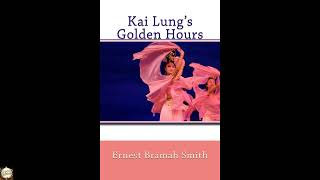
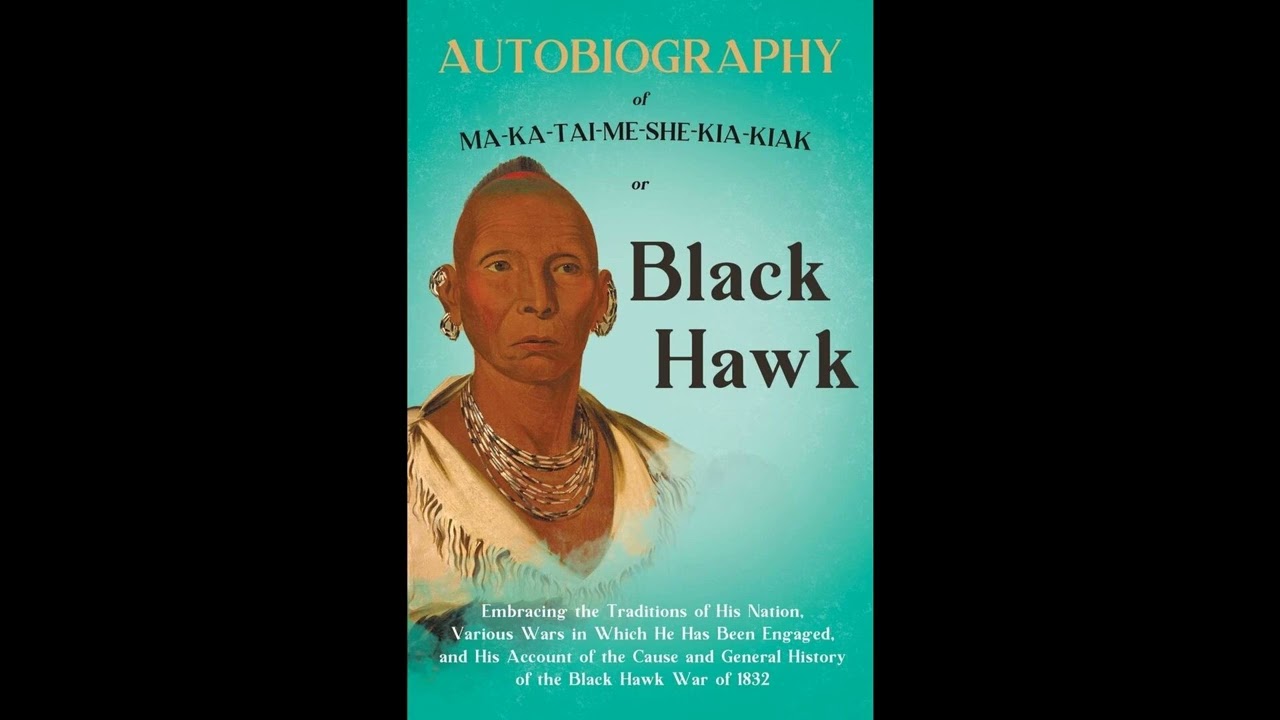
Autobiography of Ma-Ka-Tai-Me-She-Kia-Kiak;or, Black Hawk Embracing the Traditions

Among Malay Pirates : a Tale of Adventure and Peril
Chico: the Story of a Homing Pigeon
Colonel Quaritch V.C.: A Tale of Country Life