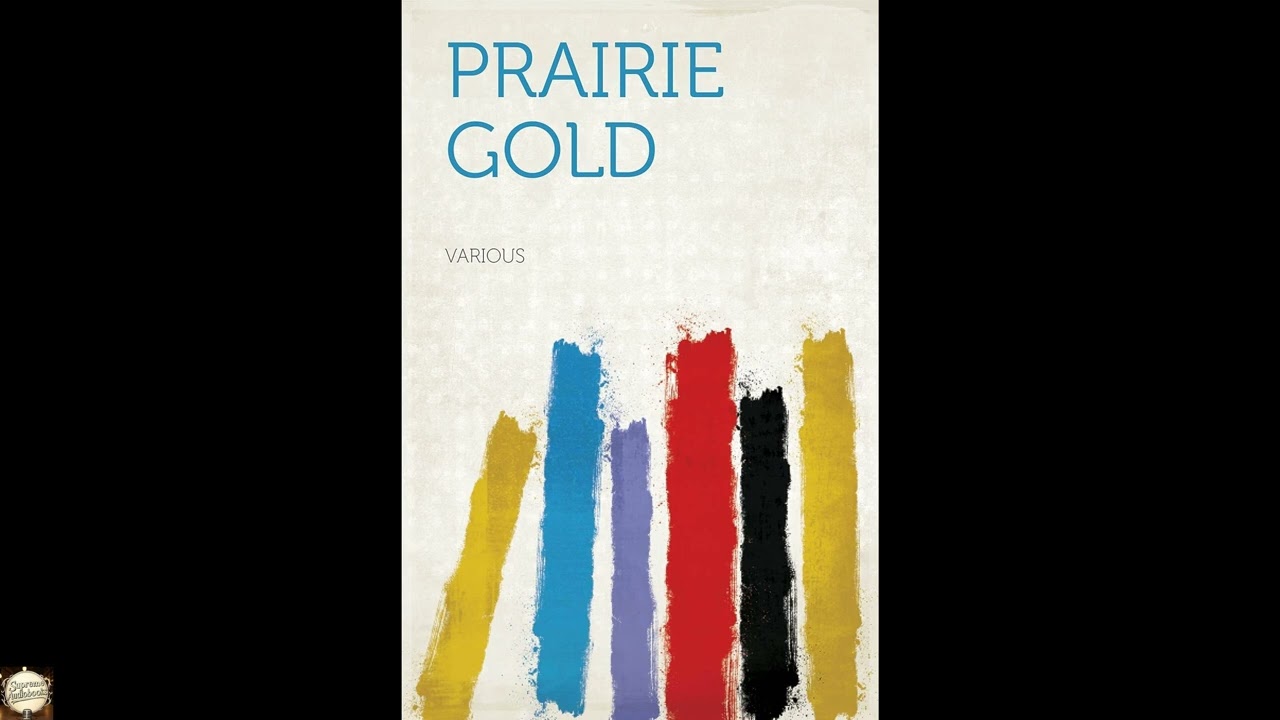
Prairie Gold
"Prairie Gold" invites listeners to step into the vast, sun-drenched, and often unforgiving world of the American Midwest during its formative years. This collection, born from the collective voice of the Iowa Press and Authors' Club, is more than just a series of stories and verses; it is a foundational document, a literary heirloom that captures the spirit, struggles, and quiet triumphs of a people building lives on the frontier. It speaks to the enduring human drive to find home, cultivate community, and find beauty amidst hardship, themes that resonate powerfully even today as we navigate our own challenges and seek connection in an ever-changing landscape. For anyone seeking to understand the bedrock of American character, or simply to lose themselves in tales spun from the heartland, "Prairie Gold" offers a profound and moving experience. The stories and poems gathered within "Prairie Gold" transport the listener to a specific era—likely the late nineteenth and early twentieth centuries—when the sprawling plains of Iowa were being transformed from wild expanse into cultivated farmlands and burgeoning towns. We encounter a kaleidoscope of characters: the stoic homesteader wrestling with unpredictable weather, the resilient immigrant family dreaming of a better future, the earnest schoolteacher bringing enlightenment to remote communities, and the wide-eyed child discovering the wonders and terrors of the natural world. Each piece, whether a poignant anecdote or a sweeping description, contributes to a larger panorama of life on the prairie. The central conflict woven through these varied narratives is the persistent effort to carve out existence against the backdrop of immense, untamed nature. Characters grapple with blizzards that test their resolve, droughts that threaten their livelihoods, and the profound isolation that vast distances can impose. Yet, alongside these struggles, there is a persistent current of hope, ingenuity, and neighborly generosity. The arc of the collection isn't a single plotline, but rather the collective unfolding of a region's history: from the initial, often brutal, challenges of settlement to the gradual establishment of community, culture, and a distinct regional identity. Listeners will witness seeds of civilization taking root, and the hardy spirit of those who nurtured them against all odds, without revealing the specific resolutions of each particular tale. The "author" of "Prairie Gold," the Iowa Press and Authors' Club, represents a fascinating and vital facet of American literary history. Rather than a single voice, it is a chorus, a testament to the power of regional literary movements that blossomed across the nation in the period after the Civil War. Such clubs were often formed by local writers, educators, and civic leaders who shared a common purpose: to document and celebrate the unique experiences of their particular locale. They provided platforms for emerging voices, fostering a sense of literary community and publishing works that might otherwise have been overlooked by East Coast presses. Their efforts were crucial in building a distinct literary heritage for states like Iowa, ensuring that the stories, traditions, and dialects of the Midwest were preserved. These collective literary endeavors played a significant role in establishing what we now recognize as regional literature, a movement focused on realistic portrayals of specific geographical areas and their inhabitants. The Club’s output, including works like "Prairie Gold," served to capture the essence of life on the Great Plains through the eyes of those who lived it. It was a commitment to authenticity and local color, aiming to reflect the everyday lives, the vernacular speech, and the unique challenges and joys of Iowans. This approach lends "Prairie Gold" a distinct and genuine voice, marking its place as an important cultural artifact from a specific moment in American history. "Prairie Gold" resonates with several potent themes that continue to hold relevance. Foremost among them is the indomitable spirit of human resilience and adaptation. We encounter characters who, faced with the crushing weight of a relentless winter, might huddle together for warmth, sharing the last of their provisions, or a farmer who, after losing an entire harvest to a hailstorm, immediately begins planning for the next planting season, refusing to be broken. Another prominent theme is the complex relationship between humanity and the natural world. The text often presents nature as both a source of sublime beauty—a sunset painting the sky in fiery hues across an endless horizon—and a formidable, sometimes destructive, force, as when a sudden, violent blizzard isolates homesteads for weeks. A third compelling theme is the delicate balance between community and profound isolation. Many narratives illustrate the vast distances separating early settlers, the loneliness that could settle over a lone cabin, yet they also showcase the intense bonds of mutual support that formed. A scene might depict neighbors riding miles through difficult terrain to help a family with a barn raising, embodying a spirit of collective effort and shared hardship that forged strong communities. Finally, the collection speaks to the formation of identity—both individual and regional. Characters are shaped by the land itself, their speech patterns, their values, and their worldview reflecting the rhythms of agricultural life and the demands of the prairie environment, contributing to a nascent American identity rooted in the heartland. When "Prairie Gold" would have been compiled, the American literary landscape was shifting. The late nineteenth and early twentieth centuries saw the rise of realism and naturalism, movements that sought to depict life as it truly was, often focusing on the struggles of ordinary people. The "closing of the frontier" was a significant cultural concept, suggesting an end to the era of westward expansion and prompting a retrospective look at the experiences of those who had settled these new lands. This period also saw rapid industrialization, immigration, and significant social change across the nation. Against this backdrop, works like "Prairie Gold" emerged as a vital counter-narrative to the romanticized depictions of the frontier. They offered an authentic, grassroots perspective on the realities of pioneering life, detailing not just the adventure but also the arduous labor, the emotional toll, and the forging of new social structures. The formation of local literary clubs, like the Iowa Press and Authors' Club, was a direct response to a cultural need to articulate and celebrate regional identities, to create a literary voice for communities that were rapidly developing their own distinct character outside of the established cultural centers of the East. Listening to "Prairie Gold" as an audiobook offers a particularly immersive and resonant experience. A skilled narrator can breathe life into the diverse voices and perspectives found within this collection, bringing the varied characters—from the weathered farmer to the hopeful young bride—to vivid presence. The run length of several hours is ideal, allowing for prolonged engagement with the material, perhaps over several leisurely listening sessions, much like savoring a long, thoughtful conversation. Listeners can appreciate the deliberate pacing that often mirrors the unhurried, yet deeply observant, rhythm of prairie life. The narrator's ability to shift tone and voice for different dialogues, capturing regional inflections and emotional nuances, truly enhances the sense of being transported to another time and place. The spoken word allows the atmosphere of the vast open spaces, the creak of a farmhouse door, or the quiet contemplation of a character to fully unfurl, enveloping you in the unique soundscape of the American heartland.
Enjoyed Prairie Gold? A few ways to support us
Audible & Amazon links are affiliate; we may earn a small commission at no extra cost.
About this production
Human narration by a volunteer reader from LibriVox.org, the public-domain audiobook project. LibriVox volunteers record literary works whose copyright has expired in the United States, releasing the resulting recordings into the public domain.
Prairie Gold by Iowa Press and Authors' Club. The underlying text is in the U.S. public domain. We do not republish any modern copyrighted edition, translation, or commentary.
The 4K cinematic visuals accompanying this audiobook are generated by an AI image model from prompts derived from the source text. No copyrighted photos, paintings, or stock footage are used. AI generation is disclosed on every video on our YouTube channel as required by YouTube's altered/synthetic content policy.
English subtitles are transcribed from the LibriVox recording with OpenAI Whisper. Translations into the 11 other supported languages are produced by Meta's NLLB-200 neural translation model. No human translator's copyrighted translation is used.
Questions about sourcing or rights? See our DMCA & Sourcing policy or contact us.
Enjoyed this audiobook?
If you'd like to own a copy of Prairie Gold or hear a professionally produced edition, the links below help support free audiobook production at no extra cost to you.
As an Amazon Associate we earn from qualifying purchases. Audible / print links are affiliate.