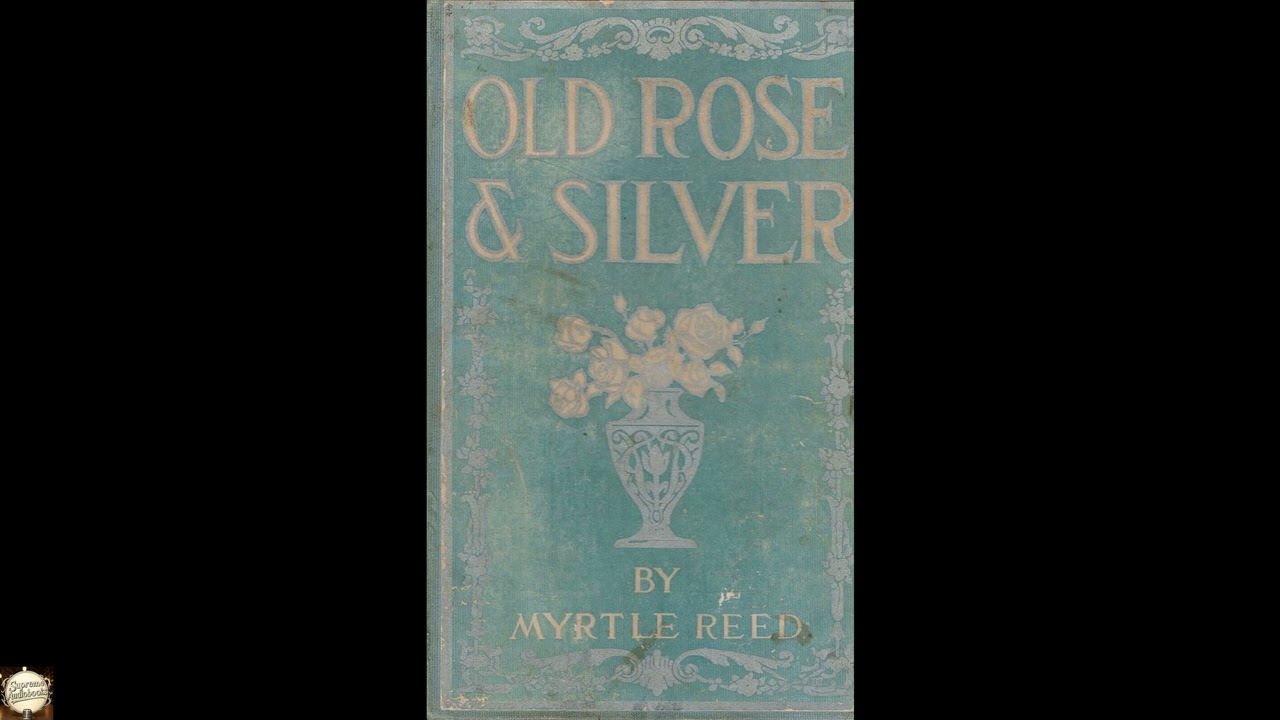
Old Rose and Silverv
"Old Rose and Silver" by Myrtle Reed invites listeners into a world of gentle charm, enduring secrets, and the quiet power of human connection at the dawn of the twentieth century. Far from the bustling anxieties of modern life, this beloved novel offers a sanctuary within its spoken narration. It presents a story where the tender complexities of the heart take center stage, examining how compassion can heal old wounds and how unexpected companionship can illuminate the path to future happiness. More than a simple romance, it is a thoughtful meditation on the solace of home, the strength found in vulnerability, and the transformative grace of understanding. For anyone seeking a moment of peace, a comforting narrative that speaks to the deeper currents of the human spirit, this tale remains as relevant and resonant today as it was upon its original publication. The story centers around "The House of the Open Door," a delightful and somewhat eccentric home presided over by the warm-hearted Old Rose. Her life is one of quiet routine and generous spirit, filled with the simple pleasures of her garden and well-appointed household. Into this tranquil existence steps Silver, a young woman shrouded in ethereal beauty and palpable sorrow. Silver arrives as a guest, bearing a name given by the woman who raised her, and an unspoken burden that makes her elusive as a moonbeam. Old Rose, with characteristic kindness, takes Silver under her wing, hoping to coax light back into the young woman's eyes and unravel the mystery that dims her spirit. As Silver gradually settles into the House of the Open Door, the quietude of their days is occasionally stirred by visitors, each contributing to the gradual revelation of Silver's past. A significant presence is a kind and thoughtful gentleman, whose growing affection for Silver adds a delicate layer of romantic possibility. Yet, Silver's reticence and deep-seated pain present a formidable barrier, not only to her own happiness but also to the hopes of those who wish to see her healed. The narrative gracefully traces Old Rose’s subtle efforts to create an atmosphere of safety and trust, allowing the truth of Silver’s circumstances to emerge naturally, like a flower slowly opening. This gentle unfolding paints a vivid picture of quiet domesticity intertwined with the profound human need for acceptance and understanding. Myrtle Reed, the prolific American author of "Old Rose and Silver," led a relatively short but impactful life, born in Chicago, Illinois, in 1874. Her literary career blossomed at the turn of the century, when her distinctive blend of romanticism, sentimentality, and quiet wit found an enormous audience. Reed quickly became a bestselling author, celebrated for her beautifully crafted prose and heartfelt portrayals of domestic life and matters of the heart. Her books, often featuring evocative titles like Lavender and Old Lace (1902), The Master's Violin (1906), and A Weaver of Dreams (1911), resonated deeply with readers. "Old Rose and Silver," published in 1909, stands as a testament to her enduring appeal and skill in crafting narratives. Beyond her popular fiction, Reed also penned a series of cookbooks under the pseudonym Olive Green, demonstrating her interest in domestic arts. Tragically, her life ended in 1911 at 36, a sudden and sorrowful close to a vibrant career. Despite her brief time as a published author, Myrtle Reed carved out a significant niche in American popular literature. She represented a particular strain of early 20th-century writing that, while perhaps less critically acclaimed later, spoke directly to the aspirations and emotional sensibilities of its widespread readership, particularly women. Her work provides a valuable lens through which to view the cultural landscape and literary tastes of a bygone generation, even as its universal themes continue to strike a chord. "Old Rose and Silver" gently illuminates several profound themes. One primary thread is the power of compassion and healing. Old Rose embodies this completely, her every action driven by an almost maternal desire to soothe Silver's unspoken pain. Listeners observe how simple acts of kindness—a shared meal, a comforting presence, patient listening—gradually chip away at Silver's protective shell, demonstrating that genuine care can be the most potent medicine. The serene atmosphere of the House of the Open Door itself becomes an agent of restoration, offering sanctuary where broken hearts can mend. Another significant theme is the often-subtle interplay between appearance and reality, and the weight of unspoken secrets. Silver arrives at Old Rose's home seemingly complete in her beauty but utterly hollowed by an unknown past. Her reserved demeanor and the aura of mystery surrounding her highlight how people often present a composed exterior while harboring deep personal struggles. The novel invites reflection on what truths we conceal and why, and how these hidden narratives shape our identities. As the story unfolds, the gradual revelation of Silver's history serves as a poignant reminder that true understanding requires patience and a willingness to look beyond the surface. Myrtle Reed published "Old Rose and Silver" in 1909, placing it squarely in the early years of the twentieth century in America—a period of rapid change and lingering tradition. Culturally, the nation stood at a crossroads. Industrialization had transformed cities, and new technologies were altering daily life, yet many segments of society still clung to Victorian ideals of domesticity and morality. For women, in particular, the era presented tension between burgeoning calls for suffrage and the societal expectation of a refined, home-centered existence. Reed's novels, with their focus on comfortable homes, gentle romances, and emotional lives of women, provided a popular counterpoint to the more gritty realities depicted by emerging realist writers. The literary landscape then saw a vibrant mix of styles. While authors like Theodore Dreiser and Edith Wharton pushed boundaries with their examinations of American society, there remained an enormous appetite for stories offering emotional uplift and escapism. Reed skillfully tapped into this desire, offering narratives that, while sentimental, were elegantly written and deeply felt. Her work allowed readers to retreat into worlds where kindness often triumphed, and where personal integrity and quiet strength were celebrated. "Old Rose and Silver" emerged as a balm for a society navigating rapid modernization, providing a literary haven where traditional values of home, family, and compassionate connection held sway. Listening to "Old Rose and Silver" in its audio format provides a particularly immersive and fitting experience. The gentle, unhurried pace of the narrative lends itself beautifully to a spoken presentation, allowing the listener to savor Myrtle Reed's lyrical prose and the warmth of her characterizations. A skilled narrator can bring out the distinct voices of Old Rose, with her sagacious observations, and Silver, with her delicate yet resilient spirit, making their dialogue come alive with authentic emotion. Descriptions of the House of the Open Door—its fragrant garden, cozy interiors, pervasive sense of peace—are heightened when delivered through sound, conjuring a vivid mental image of this sanctuary. Over several hours, this audio production invites listeners to relax into a narrative flow that is both soothing and compelling, perfectly suited for quiet reflection, moments of respite, or as a comforting backdrop to daily tasks. It allows the subtle shifts in atmosphere and the tender unfolding of human relationships to truly resonate.
Enjoyed Old Rose and Silverv? A few ways to support us
Audible & Amazon links are affiliate; we may earn a small commission at no extra cost.
About this production
Human narration by a volunteer reader from LibriVox.org, the public-domain audiobook project. LibriVox volunteers record literary works whose copyright has expired in the United States, releasing the resulting recordings into the public domain.
Old Rose and Silverv by Myrtle Reed. The underlying text is in the U.S. public domain. We do not republish any modern copyrighted edition, translation, or commentary.
The 4K cinematic visuals accompanying this audiobook are generated by an AI image model from prompts derived from the source text. No copyrighted photos, paintings, or stock footage are used. AI generation is disclosed on every video on our YouTube channel as required by YouTube's altered/synthetic content policy.
English subtitles are transcribed from the LibriVox recording with OpenAI Whisper. Translations into the 11 other supported languages are produced by Meta's NLLB-200 neural translation model. No human translator's copyrighted translation is used.
Questions about sourcing or rights? See our DMCA & Sourcing policy or contact us.
Enjoyed this audiobook?
If you'd like to own a copy of Old Rose and Silverv or hear a professionally produced edition, the links below help support free audiobook production at no extra cost to you.
As an Amazon Associate we earn from qualifying purchases. Audible / print links are affiliate.