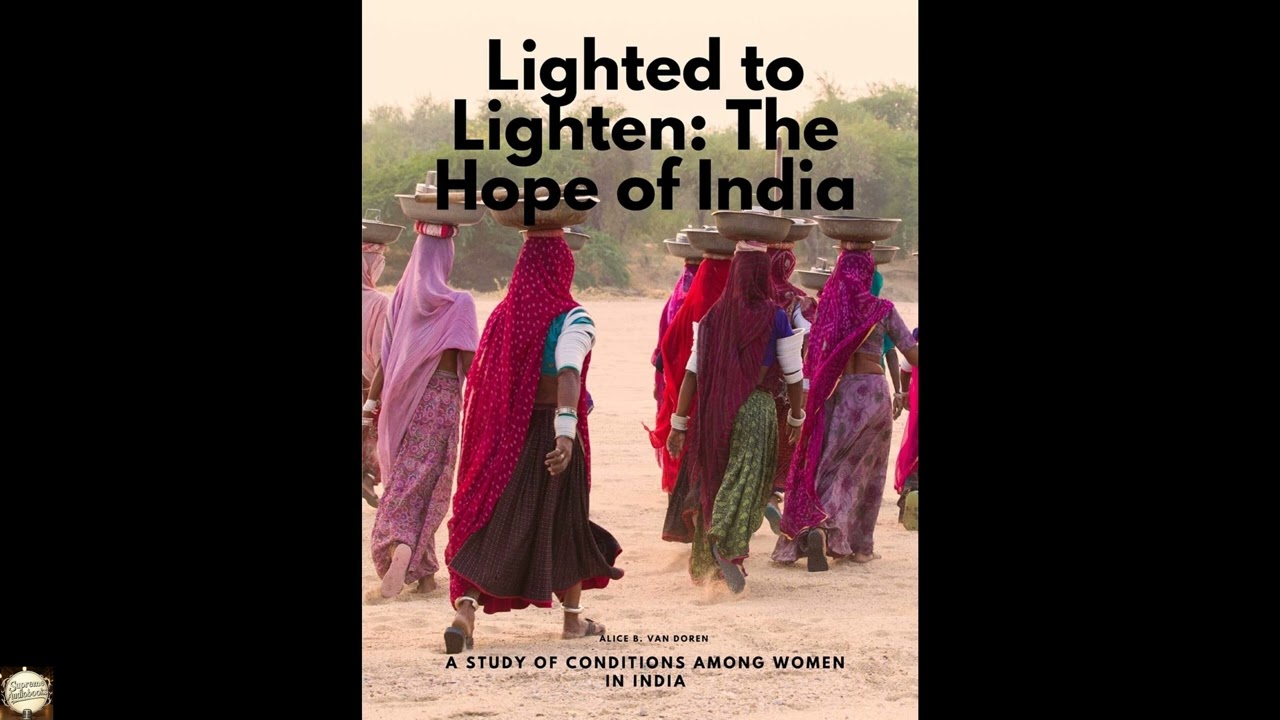
Lighted to Lighten: The Hope of India, a Study of Conditions among Women in India
"Lighted to Lighten: The Hope of India, a Study of Conditions among Women in India" stands as a foundational text, offering a stark yet profoundly hopeful look into the lives of Indian women during a pivotal historical period. This compelling work provides a window into the social structures, daily challenges, and aspirations that defined a generation, making it more than just a historical document—it is an enduring testament to the human spirit's capacity for resilience and reform. Today, its insights remain strikingly relevant, illuminating the historical roots of gender dynamics and advocacy movements, and encouraging a deeper understanding of how societal progress is both imagined and realized. This significant work, penned during a period of intense social scrutiny, systematically presents a comprehensive overview of the conditions faced by women across various strata of Indian society. The narrative unfolds not as a fictional story, but as a meticulously observed account, beginning by establishing the broad geographical and cultural landscape of colonial India, drawing attention to the sheer diversity within the subcontinent. The anonymous author—acting as both observer and compassionate advocate—guides the listener through a series of thematic sections, each dedicated to a particular aspect of women's existence. Initially, the study focuses on the stark realities of women's lives from birth, examining the societal biases evident in practices such as early marriage, the plight of child widows, and the constraints of traditional customs that often limited autonomy and personal development. Vivid descriptions, drawn from what appear to be first-hand observations and collected testimonies, paint a picture of daily struggles within the home and the community. The book then broadens its scope, detailing the lack of access to education, the challenges of economic dependence, and the impact of religious and cultural norms on women's roles. The central conflict of the study emerges clearly: the immense societal and systemic barriers preventing Indian women from achieving personal agency and well-being, juxtaposed against a nascent but powerful yearning for progress. As the study progresses, it articulates a vision for change, systematically moving from diagnosis to proposed solutions. It highlights the budding efforts of reformers and the potential for education, healthcare, and social awareness to transform lives. The arc of the work, therefore, is one of informed advocacy, transitioning from the careful documentation of hardship to a compelling argument for intervention and empowerment. It culminates in a powerful affirmation of the potential for a brighter future, leaving the listener with a profound sense of the transformative power of concerted effort and hope. While the precise identity of the author of "Lighted to Lighten" remains unknown, a common circumstance for important social commentaries from its era, the work itself stands as a powerful testament to a specific intellectual and humanitarian tradition. This text likely emerged from the fertile ground of late nineteenth or early twentieth-century social reform movements in India—a period when both indigenous reformers and external observers, often associated with missionary or philanthropic organizations, were deeply concerned with societal amelioration. It reflects an era marked by earnest efforts to document social ills, raise awareness, and advocate for progressive change, particularly concerning the status of women. The anonymous nature of its authorship underscores a collective spirit of activism rather than individual glory. Such works were often collaborative or represented a broad consensus among those committed to reform. It can be seen as part of a significant body of literature that sought to bridge cultural divides, inform Western audiences about conditions in India, and rally support for educational initiatives and women's rights campaigns within the subcontinent. Its "classic" designation stems from its enduring historical value as a primary source, offering unparalleled insights into the social concerns and reformist zeal of its time. "Lighted to Lighten" enacts several significant themes, central among them being the profound challenges faced by women in colonial India. The book provides specific, often heartbreaking, details illustrating the realities of child marriage, describing how young girls were frequently deprived of childhood and education, thrust into adult responsibilities before maturity. Scenes depicting the restrictions of purdah and the severe economic dependence of women on male relatives paint a clear picture of limited agency and widespread disempowerment. These examples serve not just as data points, but as poignant narratives that underscore the human cost of entrenched social customs. Another crucial theme woven throughout the text is the transformative power of education. The author repeatedly emphasizes education as the primary tool for liberation, presenting instances where access to schooling opened doors for women—not only to literacy but to greater autonomy, improved health outcomes for their families, and a more active role in their communities. The book also highlights the tension between traditional cultural practices and the burgeoning desire for social modernization, often framing this as a conflict between stasis and progress. Finally, and most importantly, the entire study is permeated by the theme of hope. Despite the grim realities it often documents, the book consistently articulates a belief in the possibility of positive change, detailing the tireless efforts of reformers and the potential for a brighter future through concerted advocacy and societal awakening. This seminal work emerged during a particularly dynamic and often tumultuous period in India's history—the late nineteenth and early twentieth centuries. This was an era dominated by British colonial rule, known as the British Raj, which brought with it a complex interplay of administrative reforms, economic exploitation, and cultural exchange. Within this context, significant social reform movements gained momentum, both from within Indian society and through the influence of Western missionaries and social workers. Figures like Raja Ram Mohan Roy in an earlier generation, and later reformers like Ishwar Chandra Vidyasagar, had already laid groundwork for advocating for women's rights, particularly against practices like Sati and child marriage. Culturally, this period saw intense debates between proponents of traditional Indian customs and those advocating for modernization. The rise of nationalist sentiments also meant that discussions about social reform were often intertwined with questions of national identity and sovereignty. The literary world of the time reflected these concerns, with numerous tracts, journalistic reports, and social novels addressing issues of poverty, caste, and the status of women. "Lighted to Lighten" fits squarely into this tradition, likely serving as both an appeal to conscience for those in power and an informational resource for a wider public, aiming to galvanize support for the improvement of women's conditions. It is a product of an era grappling with the legacy of tradition, the imperatives of progress, and the moral responsibilities of both rulers and reformers. Hearing "Lighted to Lighten" as an audiobook offers a uniquely immersive and powerful way to engage with this important historical document. The spoken word transforms what might otherwise be perceived as a purely academic study into an immediate and profoundly human experience. A dedicated narrator brings a measured gravitas to the sensitive subject matter, allowing the listener to absorb the detailed observations and the weighty social implications with appropriate reflection. The run time, stretching several hours, makes it an ideal companion for focused listening—whether during a quiet afternoon, a daily commute, or while engaged in other activities. The pacing of the narration is crucial, and here it provides a steady, clear delivery, ensuring that the listener can fully grasp the nuances of the social conditions described and the compelling arguments for reform. The voice itself, calm and authoritative, enhances the authenticity of the historical accounts, lending depth and emotional resonance to the plight and hopes of the women documented within its pages.
Enjoyed Lighted to Lighten: The Hope of India, a Study of Conditions among Women in India? A few ways to support us
Audible & Amazon links are affiliate; we may earn a small commission at no extra cost.
About this production
Human narration by a volunteer reader from LibriVox.org, the public-domain audiobook project. LibriVox volunteers record literary works whose copyright has expired in the United States, releasing the resulting recordings into the public domain.
Lighted to Lighten: The Hope of India, a Study of Conditions among Women in India by Alice Bertha Van Doren. The underlying text is in the U.S. public domain. We do not republish any modern copyrighted edition, translation, or commentary.
The 4K cinematic visuals accompanying this audiobook are generated by an AI image model from prompts derived from the source text. No copyrighted photos, paintings, or stock footage are used. AI generation is disclosed on every video on our YouTube channel as required by YouTube's altered/synthetic content policy.
English subtitles are transcribed from the LibriVox recording with OpenAI Whisper. Translations into the 11 other supported languages are produced by Meta's NLLB-200 neural translation model. No human translator's copyrighted translation is used.
Questions about sourcing or rights? See our DMCA & Sourcing policy or contact us.
Enjoyed this audiobook?
If you'd like to own a copy of Lighted to Lighten: The Hope of India, a Study of Conditions among Women in India or hear a professionally produced edition, the links below help support free audiobook production at no extra cost to you.
As an Amazon Associate we earn from qualifying purchases. Audible / print links are affiliate.