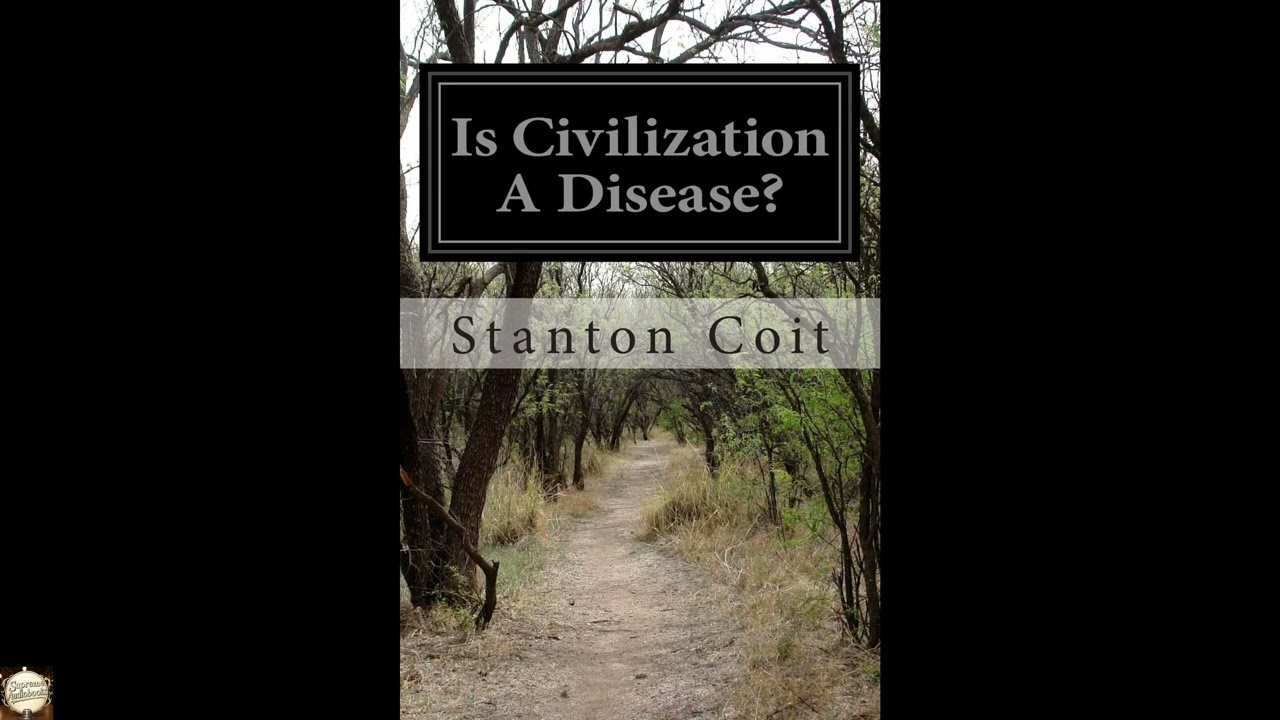
Is civilization a disease, or is it the healthy development of man's highest powers?
Context: Stanton Coit opens his essay with this provocative question, immediately challenging the reader to critically examine the assumptions about societal progress and the true nature of modern human existence.
We live in a world of our own making, often forgetting the natural foundations upon which it rests, to our peril.
Context: Coit argues that modern society has constructed an artificial environment that distances humanity from its essential, natural connections. This detachment, he suggests, leads to a profound sense of unease and a loss of fundamental well-being.
The elaborate machinery of modern life, instead of liberating us, often enslaves us to its intricate demands.
Context: This line critiques the perceived benefits of technological and societal advancement. Coit contends that instead of freeing individuals, the complexities of civilization often impose new forms of servitude, trapping people in systems of their own creation.
While we boast of material progress, a spiritual famine often gnaws at the heart of our most advanced communities.
Context: Coit highlights a central paradox of civilization: the accumulation of material wealth and technological prowess frequently coincides with a deep deficit in moral, ethical, and spiritual fulfillment. He sees this spiritual emptiness as a significant symptom of societal ill-health.
Every advance in material comfort seems purchased at the price of some diminution of human vitality or genuine joy.
Context: This quote encapsulates Coit's skeptical view of progress, suggesting that the tangible benefits of civilization are often offset by invisible costs. He questions whether the pursuit of comfort and convenience erodes deeper human capacities for vibrant life and authentic happiness.
It is high time we subjected our boasted civilization to a searching diagnosis, rather than accepting its alleged benefits blindly.
Context: Coit calls for a rigorous and unsparing self-examination of society, using medical metaphor to emphasize the need for critical analysis. He urges readers to move beyond complacent acceptance and genuinely assess the health of their civilization.
The 'savage,' perhaps, lived closer to the rhythmic pulse of life than many who are deemed highly civilized.
Context: Though not advocating for a literal return to primitivism, Coit often contrasts the perceived simplicity and elemental connection of pre-civilized life with the artificiality of modern society. He suggests that what we call progress might have sacrificed essential human harmony.
True civilization must aim at the liberation of the individual spirit, not its subjugation to the collective machine.
Context: Coit offers a vision of what a healthy civilization should be, contrasting it with the current state he critiques. He emphasizes that the ultimate goal of society should be the flourishing and freedom of each individual, rather than their absorption into an impersonal system.
Only through a re-emphasis on ethical culture and mutual understanding can the maladies of civilization find their true remedy.
Context: As a leader of the Ethical Culture movement, Coit naturally connects the solution to civilization's problems with moral and communal development. He proposes that a renewed focus on shared values and compassionate interaction is crucial for societal healing.
The measure of a civilization's health is not its wealth or power, but the quality of life it affords its humblest citizens.
Context: This line presents Coit's humanist standard for evaluating society, shifting the focus from grand achievements and economic indicators to the well-being and dignity of all people. It underscores his belief that true progress is universally beneficial and equitable.