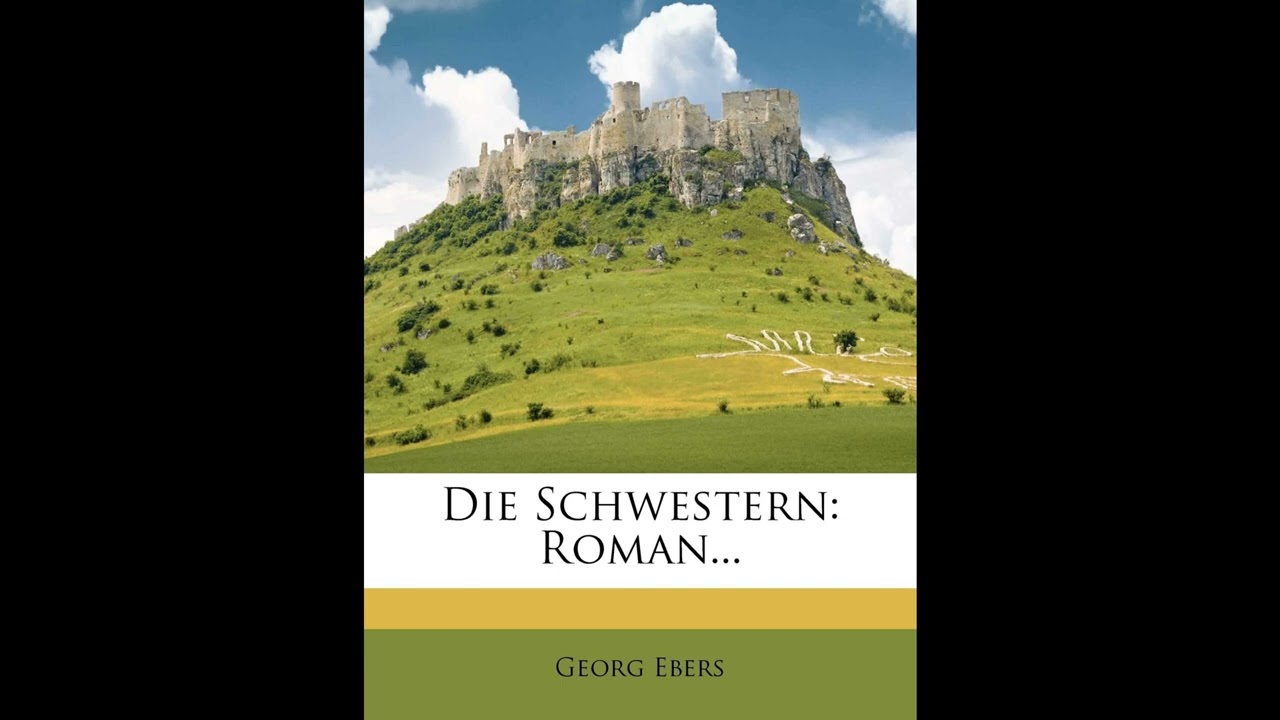
Die Schwestern: Roman Von Georg Ebers English Edition
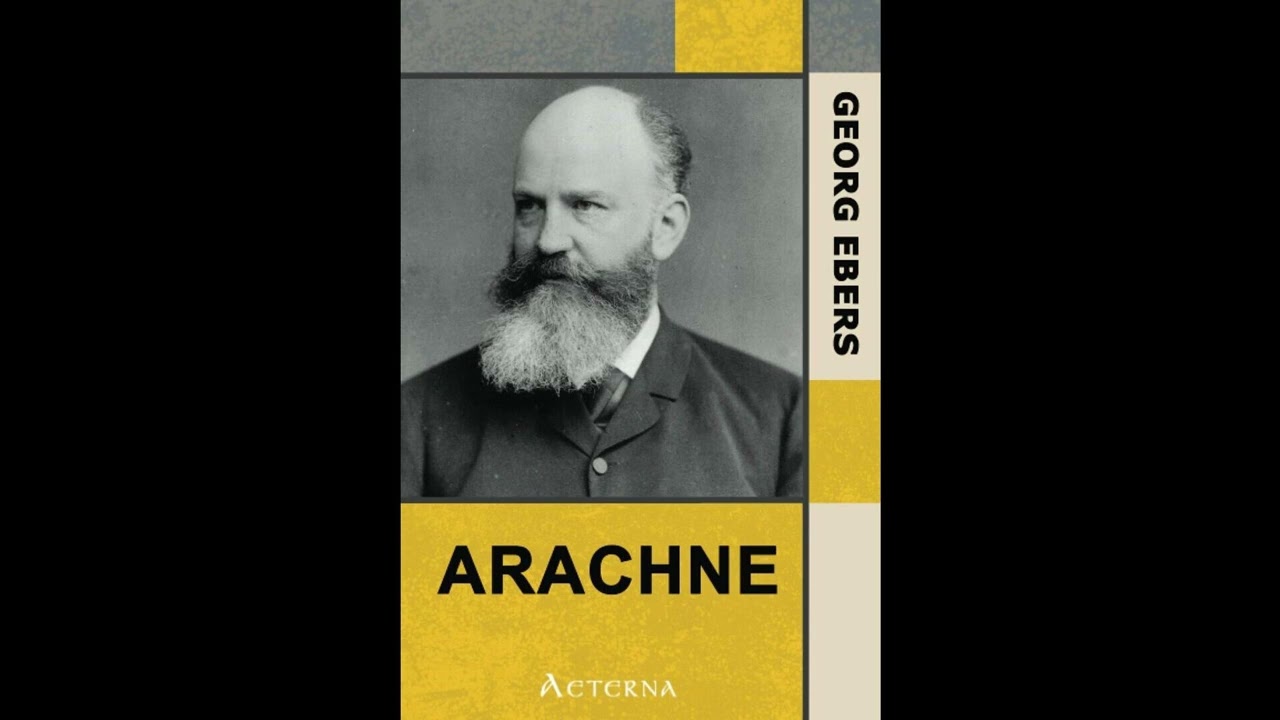
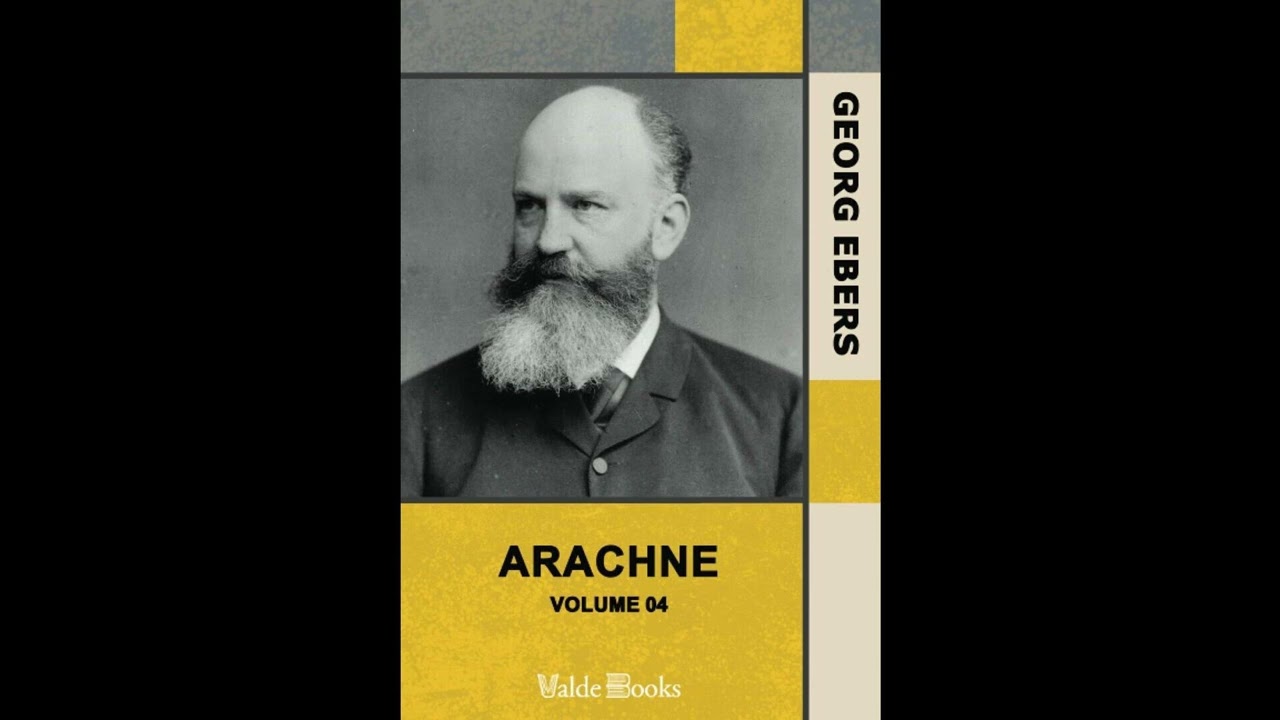
In the shifting sands of ancient Egypt, where the grandeur of a declining pharaonic past mingled with the burgeoning influence of Hellenistic culture, human dramas unfolded with an intensity that echoes across millennia. Georg Ebers' Die Schwestern, presented here in its English edition, transports listeners to this fascinating crossroads – a world of monumental temples, bustling Alexandrian streets, and profound spiritual conflicts. This is not merely a historical novel; it is a meticulously crafted window into the lives of individuals caught between two civilizations, grappling with questions of identity, faith, and the unbreakable yet challenging bonds of family. Its enduring power lies in its ability to illuminate universal struggles within a vividly rendered ancient setting, making the triumphs and heartbreaks of its characters feel remarkably immediate even today. The story centers on Alexandria and Memphis during the Ptolemaic era, specifically around the great Serapeum temple, a focal point of both Egyptian and Greek religious observance. Here, amid the solemn rituals and the whispers of history, we meet the two eponymous sisters. One, a Greek maiden, embodies the vibrant, rational spirit of Hellenism, drawn to the philosophical discourses and the worldly pursuits of Alexandria. Her counterpart, an Egyptian priestess, is deeply devoted to the ancient gods and practices of her native land, her life consecrated to the mysteries of the Serapeum. Their diverging paths form the core of the narrative, highlighting the complex cultural and religious tensions that permeated Ptolemaic Egypt. As the sisters navigate their separate worlds, their lives become entangled with a cast of memorable characters – scholars, priests, soldiers, and nobles – all struggling to find their place in a society caught between tradition and innovation. The central conflict arises from these opposing allegiances, as personal affections and loyalties are tested by the powerful forces of religious dogma and political intrigue. Love blossoms in unexpected places, ambition clashes with duty, and the very foundations of their beliefs are challenged by external pressures and internal doubts. The arc of the story follows their personal growth and the trials they face, building towards moments of profound realization and difficult choices, all set against a backdrop of meticulously researched historical detail that brings the ancient world to breathtaking life without revealing the ultimate resolution of their interwoven fates. The author, Georg Ebers, was no mere storyteller; he was a pioneering German Egyptologist whose profound scholarship laid the groundwork for his literary endeavors. Born in Berlin in 1837, Ebers dedicated his life to the study of ancient Egypt, a passion that led him to extensive travel and archaeological research. He became a professor of Egyptian language and antiquities at the University of Leipzig, where his academic contributions were immense. Perhaps his most famous scholarly achievement was the discovery and publication of the Ebers Papyrus, an ancient Egyptian medical text dating back to around 1550 BC, which remains a vital source for understanding ancient Egyptian medicine. Ebers possessed a unique genius for translating his vast academic knowledge into accessible and compelling narratives. He essentially invented the genre of the popular historical novel set in ancient Egypt, making a distant past feel intimately real for the European public. Beginning with An Egyptian Princess in 1864, he released a string of successful novels, including Uarda and Homo Sum, each meticulously researched and vividly imagined. His literary style combined rigorous historical accuracy with a romantic sensibility, popularizing Egyptology among general readers and influencing subsequent generations of writers and archaeologists. He occupied a significant place in the late 19th-century German literary canon, celebrated for his ability to blend erudition with engaging storytelling, bridging the gap between scholarly research and popular entertainment. At its heart, Die Schwestern grapples with the profound theme of cultural collision and synthesis. The novel starkly presents the clash between the Hellenistic pursuit of reason and individual liberty, exemplified by the Greek sister, and the ancient Egyptian reverence for tradition, divine order, and collective spiritual observance, embodied by her priestess sibling. One particularly poignant scene might involve a debate between the sisters or their associates within the Serapeum itself, where Greek philosophers' logical arguments are juxtaposed against the unwavering faith of Egyptian priests performing age-old rites, showcasing how these differing worldviews shape their decisions and define their identities. Another significant theme is the enduring power and complexity of familial bonds, even when tested by deeply entrenched ideological differences. Despite their divergent paths and allegiances, the sisters' connection remains a central emotional anchor, illustrating how love and loyalty can persist amid profound disagreements, perhaps even in moments of shared vulnerability during a crisis that transcends their individual beliefs. The novel also thoughtfully considers the role of women in ancient society and the pursuit of knowledge versus the dictates of faith. Ebers often presents strong female characters navigating societal constraints, seeking agency and understanding in their respective contexts. Furthermore, the narrative subtly questions the absolute authority of established religious systems against the burgeoning spirit of scientific inquiry and philosophical skepticism, a tension keenly felt during the Ptolemaic period and indeed, throughout the late 19th century when Ebers was writing. Through the experiences of his characters, Ebers illuminates these intricate dilemmas, inviting readers to consider how individuals reconcile their personal convictions with broader societal and spiritual expectations. Die Schwestern emerged from a specific cultural moment in the late nineteenth century – a period marked by intense European fascination with archaeology and the romanticization of ancient civilizations. The discovery of monumental sites, the deciphering of hieroglyphs, and ongoing excavations fueled a public hunger for stories that could bring these long-lost worlds to life. Ebers, with his dual expertise as an Egyptologist and a novelist, was uniquely positioned to satisfy this demand. His novels were not merely escapist fantasies; they were seen as educational, providing readers with what was considered accurate historical information wrapped in an engaging narrative. This era also saw the flourishing of historical fiction as a genre, driven by a desire to understand national and human origins, and Ebers’ meticulously researched works contributed significantly to its development and popularity, establishing a model for how ancient history could be made accessible and thrilling to a wide audience. To experience Die Schwestern as an audiobook is to immerse oneself fully in the atmosphere of ancient Ptolemaic Egypt. With a runtime of several hours, the narration allows for a sustained engagement with Ebers' richly detailed world. A skilled voice artist can bring out the distinct personalities of the Greek and Egyptian characters, capturing the nuanced dialogue that reflects their cultural backgrounds and personal convictions. Listeners can anticipate a deliberate pacing that builds tension and allows the listener to absorb the intricate historical backdrop, while the narrator's interpretation of the descriptive passages can evoke the grandeur of temples, the bustle of marketplaces, and the quiet intensity of personal reflection. This auditory experience transforms the detailed prose into a living panorama, inviting listeners to visualize the settings and feel the emotional weight of the sisters' choices as if wandering through the ancient streets alongside them.
Enjoyed Die Schwestern: Roman Von Georg Ebers English Edition? A few ways to support us
Audible & Amazon links are affiliate; we may earn a small commission at no extra cost.
About this production
Human narration by a volunteer reader from LibriVox.org, the public-domain audiobook project. LibriVox volunteers record literary works whose copyright has expired in the United States, releasing the resulting recordings into the public domain.
Die Schwestern: Roman Von Georg Ebers English Edition by Georg Ebers. The underlying text is in the U.S. public domain. We do not republish any modern copyrighted edition, translation, or commentary.
The 4K cinematic visuals accompanying this audiobook are generated by an AI image model from prompts derived from the source text. No copyrighted photos, paintings, or stock footage are used. AI generation is disclosed on every video on our YouTube channel as required by YouTube's altered/synthetic content policy.
English subtitles are transcribed from the LibriVox recording with OpenAI Whisper. Translations into the 11 other supported languages are produced by Meta's NLLB-200 neural translation model. No human translator's copyrighted translation is used.
Questions about sourcing or rights? See our DMCA & Sourcing policy or contact us.
Enjoyed this audiobook?
If you'd like to own a copy of Die Schwestern: Roman Von Georg Ebers English Edition or hear a professionally produced edition, the links below help support free audiobook production at no extra cost to you.
As an Amazon Associate we earn from qualifying purchases. Audible / print links are affiliate.