Anne of Green Gables
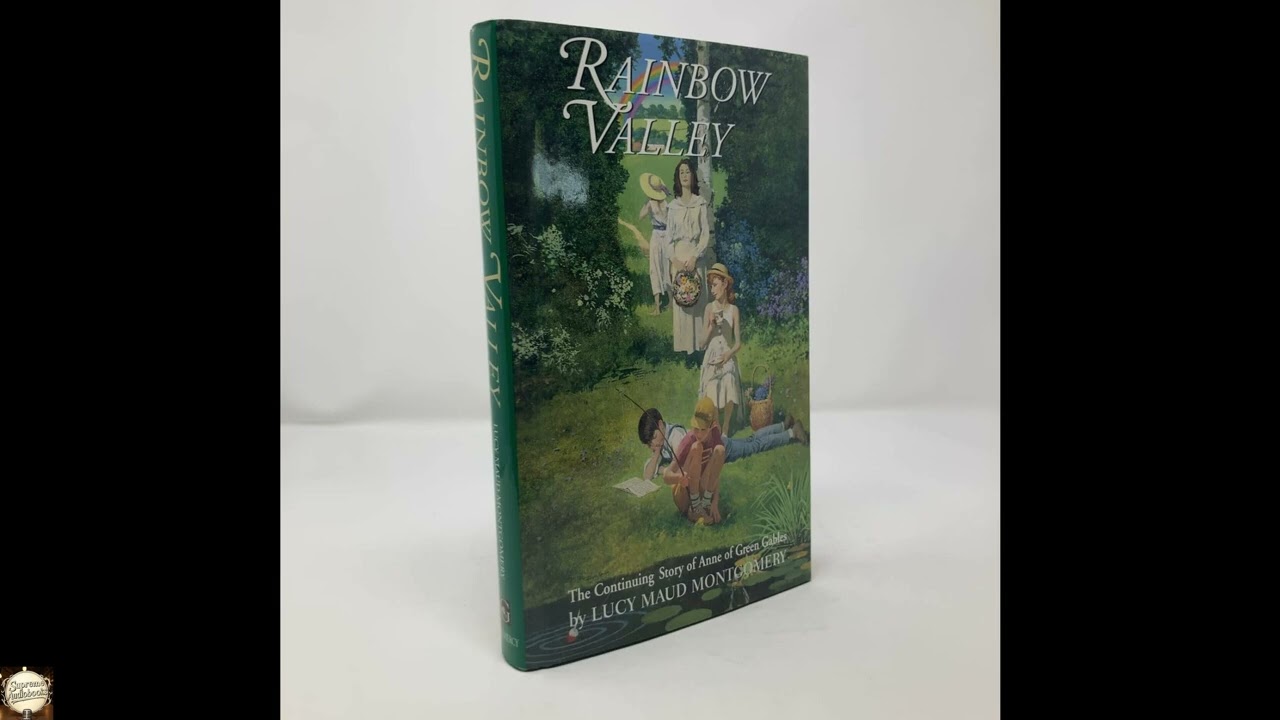
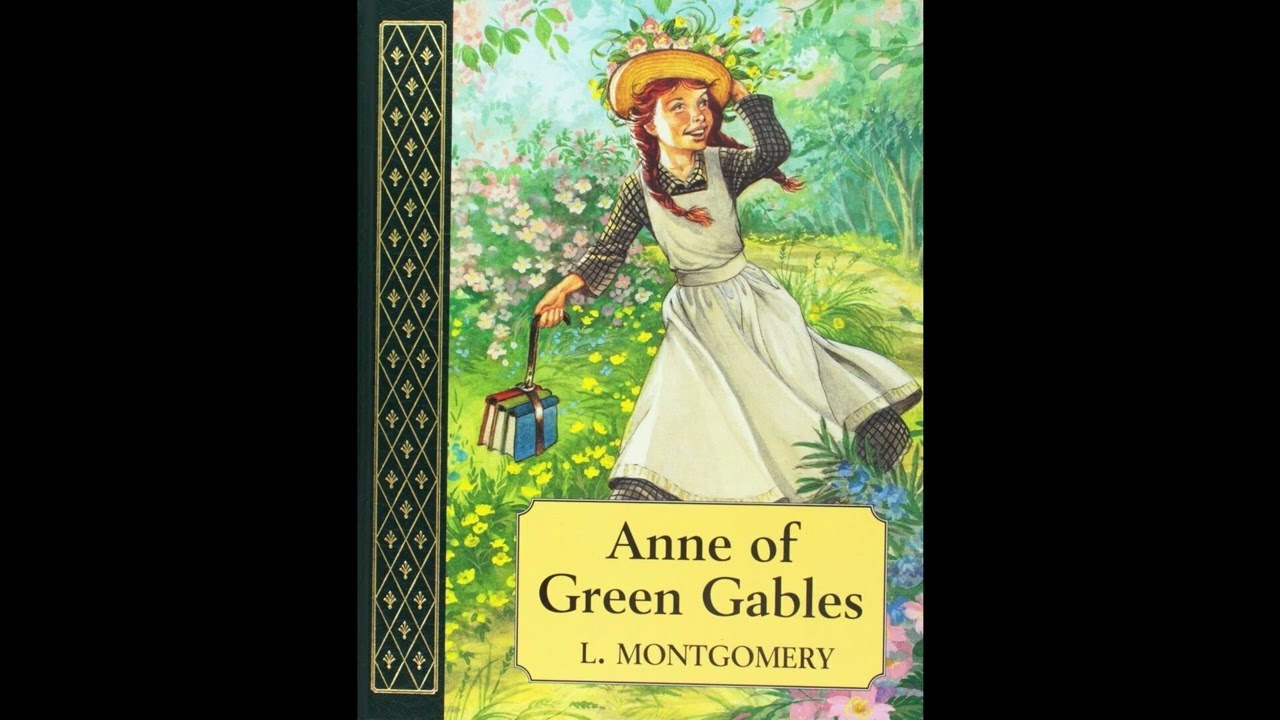
The moment Anne Shirley steps off the train, a vivid, red-headed spark ignites the quiet, predictable world of Green Gables. This unexpected arrival, a spirited orphan mistakenly sent to two elderly siblings who had requested a boy, immediately sets the stage for a story of imagination, belonging, and the transformative power of an individual spirit. For over a century, Anne has captivated hearts with her dramatic pronouncements, her profound capacity for friendship, and her unwavering belief in the beauty of the world. She reminds listeners that even in the face of hardship, a rich inner life and a keen appreciation for the everyday can turn the mundane into the magnificent, making her tale as fresh and relevant today as it was upon its first publication. The story opens in the peaceful, picturesque farming community of Avonlea, nestled on Prince Edward Island, Canada. Here, Matthew and Marilla Cuthbert, a shy bachelor and his stern, practical sister, reside at their farm, Green Gables. They decide to adopt an orphan boy from Nova Scotia to help Matthew with the farm chores. However, fate—or a clerical error—intervenes, and instead of a sturdy lad, Anne Shirley, a scrawny, freckle-faced girl with fiery red hair and an irrepressible imagination, arrives. Marilla is horrified and immediately resolves to send her back, unable to fathom how such a talkative, emotionally expressive child could ever fit into their orderly lives. Matthew, however, is instantly charmed by Anne's unique spirit and quiet loneliness. Anne, desperate for a home and a "kindred spirit," is heartbroken by the prospect of being rejected once more. She pours out her soul in eloquent, dramatic speeches, often filled with flowery language and poetic descriptions of the world around her, endearing her in small ways even to the resistant Marilla. The narrative follows Anne through her tumultuous early days at Green Gables: her comical mishaps, her intense friendships (most notably with Diana Barry, her "bosom friend"), her academic rivalries, and her gradual, often clumsy, integration into the Avonlea community. We witness her navigate the pitfalls of childhood—accidents with liniment instead of flavoring, dyeing her hair green, breaking a slate over a boy's head—all while maintaining an extraordinary optimism and an ability to see magic in the simplest things. The arc of the story centers on Anne's growth from a lonely, often impulsive, and dramatically prone orphan into a thoughtful, intelligent, and much-loved young woman, finding her true place in the world. The person behind this enduring character and the beloved world of Avonlea was Louisa M. Montgomery, a writer whose own early life experiences deeply informed her fiction. Born in Clifton, Prince Edward Island, in 1874, Montgomery herself was orphaned at a young age and raised by her strict maternal grandparents in Cavendish. This personal history of loss and the search for belonging undoubtedly infused Anne’s character with such genuine emotion and longing. Montgomery spent much of her life on Prince Edward Island, which became an inseparable part of her literary identity, serving as the setting for most of her novels. Before finding fame as an author, Montgomery worked as a teacher in various island schools. She began writing early in life, publishing poems and short stories in magazines. Anne of Green Gables, her first novel, was published in 1908, after several rejections, and quickly became an international success. This initial triumph led to a series of sequels following Anne's life: Anne of Avonlea, Anne of the Island, and others, creating a beloved saga. Beyond the Anne books, Montgomery authored several other popular novels, including the Emily of New Moon series and Pat of Silver Bush, establishing her as one of Canada's most celebrated literary figures. Her writing is often categorized within early 20th-century Canadian literature, renowned for its strong female protagonists, its detailed depiction of rural life, and its celebration of imagination and individual spirit. One of the central themes woven throughout Anne's story is the profound interplay between imagination and reality. Anne’s vivid inner world, her "scope for imagination," allows her to transform the ordinary into the extraordinary. She renames mundane paths the "White Way of Delight" and a simple pond the "Lake of Shining Waters," infusing her surroundings with poetic beauty. This faculty not only offers her solace from hardship but also shapes her perspective and her interactions, often leading to comical misunderstandings with the more grounded Marilla, yet ultimately enriching the lives of those around her. Hand in hand with imagination is the theme of belonging and the search for family. Anne’s initial terror of being sent back, her heartfelt yearning for a home where she is truly wanted, drives much of her emotional arc. The gradual, quiet blossoming of love and acceptance between Anne and the reserved Cuthberts, particularly the unspoken bond with Matthew, demonstrates how family can be built not just by blood, but by patient understanding and shared affection, creating a profound sense of home where none existed before. Another powerful theme is the importance of friendship, exemplified by Anne's iconic relationship with Diana Barry. Their declaration of "bosom friendship" and their unwavering loyalty through various childhood escapades and misunderstandings highlights the vital role of companionship and mutual support in a young girl's development. This bond is portrayed with genuine warmth and humor, showing how deeply meaningful and formative such connections can be. Additionally, the novel celebrates the beauty of nature and its ability to inspire and heal. Anne's almost spiritual connection to the landscapes of Prince Edward Island—its blossoming cherry trees, its changing seasons, its winding brooks—serves as a constant source of wonder and comfort for her, reflecting a deep appreciation for the natural world that Montgomery herself shared. When Anne of Green Gables was published in 1908, it emerged from the Edwardian era, a period of transition in Western society, sitting just before the cataclysm of the First World War. Culturally, there was a growing interest in childhood as a distinct phase of life, moving away from some of the more overtly moralistic children's literature of the Victorian age. Montgomery's portrayal of a spirited, imaginative child who makes mistakes but learns and grows resonated deeply, offering a refreshing counterpoint to highly idealized or purely didactic characters. The novel also presented a vision of rural life in Canada, specifically Prince Edward Island, a setting that felt both familiar in its universal themes of community and family, yet distinct in its specific cultural flavor. While Anne’s story largely adheres to traditional gender roles for its era, her ambitions for education and her independent spirit subtly hinted at the expanding possibilities for women, a quiet undercurrent to the idyllic portrayal of farming life and community values. The book tapped into a longing for innocence and natural beauty during a time of increasing industrialization and social change. Listening to Anne of Green Gables as an audiobook offers an exceptionally immersive experience, particularly when voiced by a skilled narrator. The several hours of running time allow listeners to truly settle into the gentle rhythms of Avonlea life, experiencing the passage of seasons and the unfolding of Anne's vibrant personality over many years. A narrator's portrayal of Anne's distinctive speech—her breathless descriptions, her dramatic pronouncements, her flights of rhetorical fancy—is crucial, bringing her unique spirit to life in a way that reading silently cannot quite replicate. Listen for the subtle inflections that distinguish the stern but increasingly fond Marilla, the quiet warmth of Matthew, and the various characters of the island community. The descriptive passages detailing Prince Edward Island's natural beauty become even more atmospheric when heard, allowing the listener to truly inhabit Anne's world, hearing the rustle of the "Lover's Lane" and the sparkle of the "Lake of Shining Waters" through her enraptured ears.
Enjoyed Anne of Green Gables? A few ways to support us
Audible & Amazon links are affiliate; we may earn a small commission at no extra cost.
About this production
Human narration by a volunteer reader from LibriVox.org, the public-domain audiobook project. LibriVox volunteers record literary works whose copyright has expired in the United States, releasing the resulting recordings into the public domain.
Anne of Green Gables by Louisa M. Montgomery. The underlying text is in the U.S. public domain. We do not republish any modern copyrighted edition, translation, or commentary.
The 4K cinematic visuals accompanying this audiobook are generated by an AI image model from prompts derived from the source text. No copyrighted photos, paintings, or stock footage are used. AI generation is disclosed on every video on our YouTube channel as required by YouTube's altered/synthetic content policy.
English subtitles are transcribed from the LibriVox recording with OpenAI Whisper. Translations into the 11 other supported languages are produced by Meta's NLLB-200 neural translation model. No human translator's copyrighted translation is used.
Questions about sourcing or rights? See our DMCA & Sourcing policy or contact us.
Enjoyed this audiobook?
If you'd like to own a copy of Anne of Green Gables or hear a professionally produced edition, the links below help support free audiobook production at no extra cost to you.
As an Amazon Associate we earn from qualifying purchases. Audible / print links are affiliate.