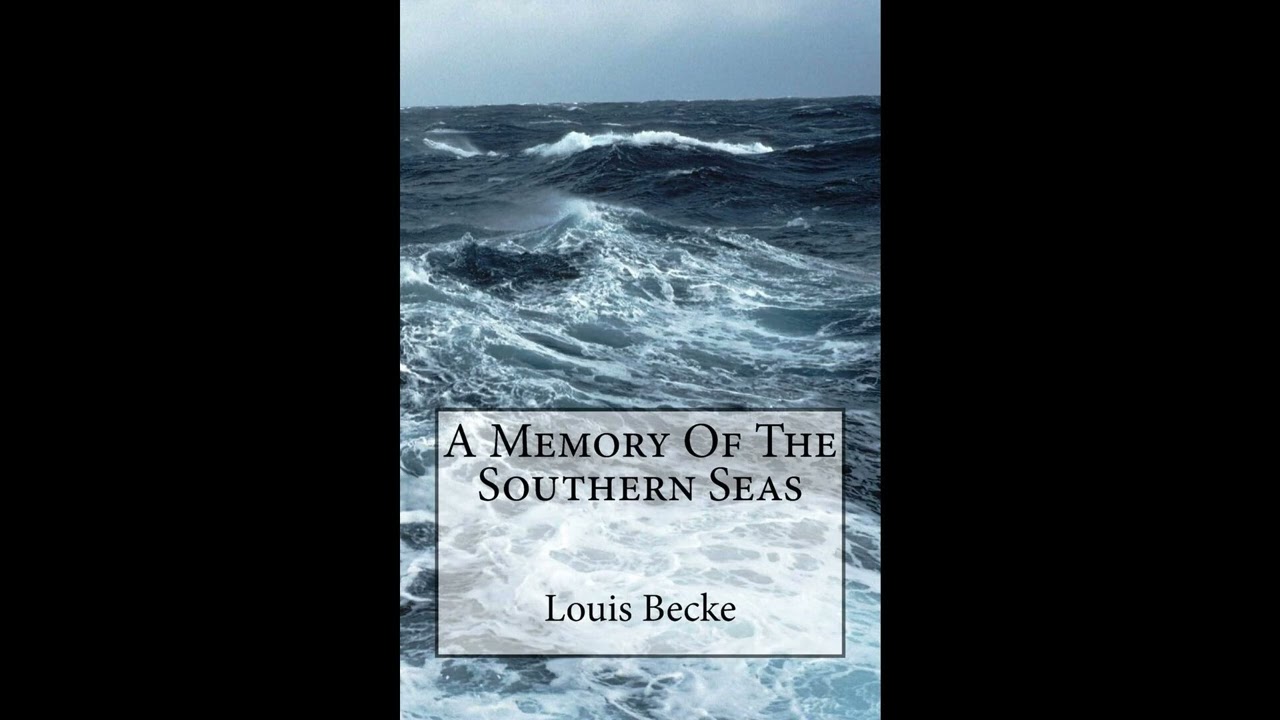
A Memory Of The Southern Seas
Step into a world barely glimpsed by most, a realm of sun-drenched islands, treacherous reefs, and the relentless, murmuring expanse of the Pacific Ocean. Louis Becke's "A Memory Of The Southern Seas" offers a direct passage back to the late nineteenth century, to a time when these distant waters were a last frontier for adventurers, traders, and renegades. This collection of tales is more than mere entertainment; it is an authentic echo from a vanishing era, penned by a man who lived and breathed the very life he describes. For anyone yearning for true stories of human endurance, moral ambiguity, and the raw beauty of a world before it was tamed, Becke's work serves as a potent reminder of the untamed spirit that once animated these remote corners of the globe. These are not tales of grand, singular quests but rather a mosaic of experiences drawn from the rough-and-tumble existence of those who plied the South Seas. The setting is consistently the vast, unpredictable Pacific, stretching from the atolls of Polynesia to the rugged shores of Melanesia. We meet a diverse cast of characters: hardened pearl divers risking life and limb for a single gem, shrewd European traders navigating alliances and betrayals with island chiefs, stoic native sailors whose knowledge of the currents and stars is unmatched, and desperate beachcombers clinging to the fringes of civilization. Each story—whether focusing on a frantic escape from a storm-battered island, the tense negotiations over a cargo of copra, or the quiet tragedy of a mixed-race child caught between cultures—unfolds with an unsentimental realism. The central conflict often revolves around survival in a harsh environment, the clash between colonial ambition and indigenous ways, or the inherent human frailties of greed, loyalty, and desperation pushed to their limits by the isolation and danger of island life. The narrative arc of "A Memory Of The Southern Seas" is episodic, allowing the listener to witness a multitude of dramas without adhering to a single overarching plot. We are plunged into the immediate perils of shipwrecks and native uprisings, the quiet desperation of a forgotten trading post, or the sudden violence that can erupt over a perceived slight or a stolen bounty. While there are no singular main characters in the traditional sense, the true protagonists are the sea itself and the human spirit confronting its immensity and indifference. Becke paints vivid pictures of a world where life and death hang by a thread, where a successful trade could mean fortune or ruin, and where the line between right and wrong often blurred under the relentless sun and the weight of isolation. Each vignette offers a window into the daily struggles and extraordinary events that defined the lives of those who called these distant waters home, all without revealing the ultimate fates of its many transient figures. George Lewis Becke, born in Port Macquarie, New South Wales, in 1855, was a man whose life story reads like one of his own thrilling narratives. Running away to sea at the age of twelve, Becke spent the next two decades immersed in the world he would later write about with such vivid authenticity. His professional life in the South Pacific spanned an incredible array of roles: supercargo, trader, pearl-sheller, ship's agent, government official, and even, at times, involved in less legal enterprises. He lived among islanders, navigated their customs and languages, and witnessed firsthand the dramatic changes brought by the encroaching Western world. It was this extraordinary, lived experience, rather than formal literary training, that equipped him to become one of the most compelling chroniclers of the Pacific. Becke did not begin his writing career until relatively late in life, encouraged by Robert Louis Stevenson, whom he met in Samoa. His first collection, By Reef and Palm, published in 1894, immediately established his reputation for gritty realism and unparalleled local knowledge. Other notable works include Pacific Tales, Helen Adair, and The Ebb-Tide, co-authored with Lloyd Osbourne. Becke's place in the literary canon is significant for his unvarnished portrayal of the South Seas, eschewing romantic clichés for a more grounded, sometimes brutal, reality. He belonged to a generation of adventure writers who bridged the gap between purely fantastical tales and the nascent realism of authors like Joseph Conrad, lending his work an enduring power that resonated deeply with readers of his time and continues to do so today. He passed away in 1913, leaving behind an invaluable literary legacy. "A Memory Of The Southern Seas" frequently returns to the theme of colonialism and its complex consequences. Becke rarely presents a simple good-versus-evil dynamic; instead, he shows how the arrival of Western traders and administrators disrupted existing social structures, leading to both perceived progress and tragic decline. A scene might depict an opportunistic European agent manipulating islanders into unfavorable deals for copra, while another illustrates the devastating impact of introduced diseases on a remote community. Another powerful theme is the brutal struggle for survival and the ever-present shadow of greed. Characters are often driven by the desire for wealth—pearls, sandalwood, or simple commodities—and Becke reveals the lengths to which individuals will go, from desperate gambles against the sea to outright deception and violence, as seen when two rival crews come to blows over a contested fishing ground, highlighting the raw, elemental nature of their existence. The book also underscores the allure and peril of the ocean itself. The vastness of the Pacific is presented not merely as a backdrop but as an active, often malevolent, force. There are gripping descriptions of sudden squalls that threaten to splinter vessels and the eerie calm that precedes a typhoon, demonstrating nature's indifference to human endeavors. A further thread woven through these stories is the poignant search for identity and belonging. Many of Becke's characters are exiles or drifters, men (and occasionally women) who have cut ties with their former lives and are attempting to forge a new existence in this distant, demanding environment. This often involves navigating cultural differences, struggling with loneliness, or finding a strange sense of community among other outcasts, as when a long-term beachcomber finds his allegiances tested between his native family and the arrival of a European ship. This collection of stories emerged during the late nineteenth century, a period marked by intense European expansionism and the "Scramble for Africa" extending its reach to the Pacific. Naval powers were staking claims, trading companies were establishing outposts, and the traditional ways of life for many indigenous islanders were undergoing profound, often devastating, transformations. The demand for resources like guano, copra, and pearls fueled a dangerous and often unregulated commerce, attracting a diverse array of individuals—some seeking legitimate fortune, others escaping pasts or exploiting vulnerabilities. In the literary world, there was a growing public appetite for adventure stories set in exotic locales, alongside a shift towards more realistic and naturalistic portrayals of life. Becke's work perfectly captured this zeitgeist, providing readers with an authentic, unfiltered glimpse into a world that was rapidly being altered by the forces of colonialism and global trade, a world he knew intimately before it faded from common experience. Listening to "A Memory Of The Southern Seas" as an audiobook offers a particularly immersive experience that honors the oral tradition inherent in storytelling. The several hours of narration provide ample opportunity to settle into Becke's world, letting the descriptive prose wash over you like the Pacific tides he so often references. A skilled narrator can bring to life the diverse voices of traders, sailors, and islanders, lending an added layer of authenticity to the dialogue. Listen for the subtle shifts in pacing—the slow, languid rhythm of island life contrasted with the sudden, frantic bursts of action during a hurricane or a violent encounter. The atmospheric details, from the creak of a ship's timbers to the distant calls of seabirds, truly resonate through careful vocal performance, allowing the listener to feel the spray of the ocean and the heat of the tropical sun, making these tales of adventure and human struggle all the more immediate and visceral.
Enjoyed A Memory Of The Southern Seas? A few ways to support us
Audible & Amazon links are affiliate; we may earn a small commission at no extra cost.
About this production
Human narration by a volunteer reader from LibriVox.org, the public-domain audiobook project. LibriVox volunteers record literary works whose copyright has expired in the United States, releasing the resulting recordings into the public domain.
A Memory Of The Southern Seas by Mr Louis Becke. The underlying text is in the U.S. public domain. We do not republish any modern copyrighted edition, translation, or commentary.
The 4K cinematic visuals accompanying this audiobook are generated by an AI image model from prompts derived from the source text. No copyrighted photos, paintings, or stock footage are used. AI generation is disclosed on every video on our YouTube channel as required by YouTube's altered/synthetic content policy.
English subtitles are transcribed from the LibriVox recording with OpenAI Whisper. Translations into the 11 other supported languages are produced by Meta's NLLB-200 neural translation model. No human translator's copyrighted translation is used.
Questions about sourcing or rights? See our DMCA & Sourcing policy or contact us.
Enjoyed this audiobook?
If you'd like to own a copy of A Memory Of The Southern Seas or hear a professionally produced edition, the links below help support free audiobook production at no extra cost to you.
As an Amazon Associate we earn from qualifying purchases. Audible / print links are affiliate.