The Complete Gothic Horror Reading Order (Free Audiobooks)
Gothic horror did not start with vampires. It started in 1764 with a tiny novella about a giant ghostly helmet crashing into a courtyard. From that absurd image grew the most influential horror tradition in literature — the one that gave us Dracula, Frankenstein, and the cosmic dread of H. P. Lovecraft. This guide walks you through the canonical reading order so you can hear the genre evolve in your headphones, in roughly the order its authors built on each other.
1. The Castle of Otranto (1764) — Horace Walpole
The book that invented the genre. Walpole's tiny gothic novella, written as a deliberate experiment, gave gothic horror almost every trope it would use for the next 250 years: the haunted castle, the supernatural object, the dead reaching into the living world, the cursed bloodline. Listen for the strange formality of the prose — and notice how recognizable everything else is.
The Castle of Otranto
Listen Free2. Northanger Abbey (1817) — Jane Austen
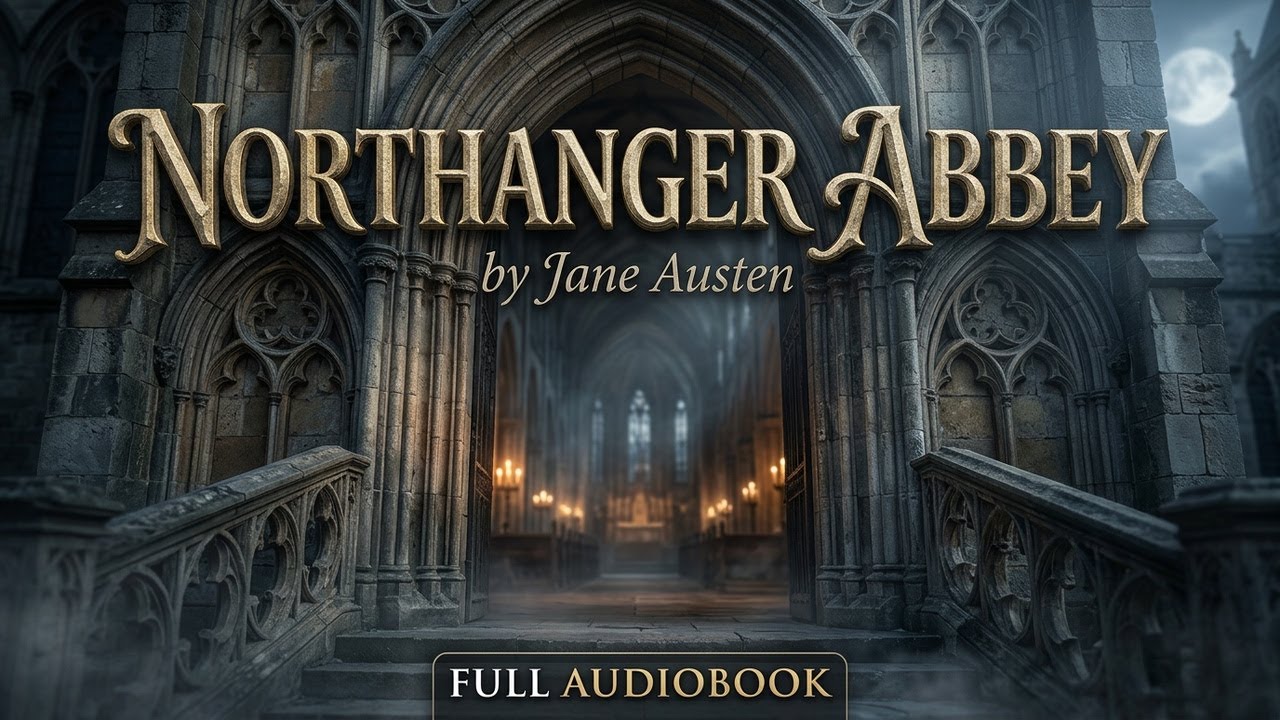
Half a century after Otranto, gothic horror was so popular it had become a fashion among young women — and Jane Austen wrote the first great satire of the genre. Northanger Abbey is the book to listen to after you have read a few gothic novels and started to recognize the formula. Austen is gently merciless about how silly some of the tropes had become.
Northanger Abbey
Listen Free3. Frankenstein (1818) — Mary Shelley
The shift from supernatural gothic to scientific gothic. Frankenstein moves the source of horror from ghosts and curses to a young man's laboratory — and in doing so, invents science fiction at the same time. Listen for how much of the novel is the creature speaking in his own voice. He is the most articulate, eloquent monster in literature.
4. The Strange Case of Dr Jekyll and Mr Hyde (1886) — Robert Louis Stevenson
Stevenson distilled gothic horror into its most compact, most modern shape. The novella is fewer than 30,000 words, and it invented the psychological horror of the double — the monster inside the man — that would dominate the 20th century. The audiobook runs under three hours; listen in one evening if you can.
Dr Jekyll and Mr Hyde
Listen Free5. The Picture of Dorian Gray (1890) — Oscar Wilde
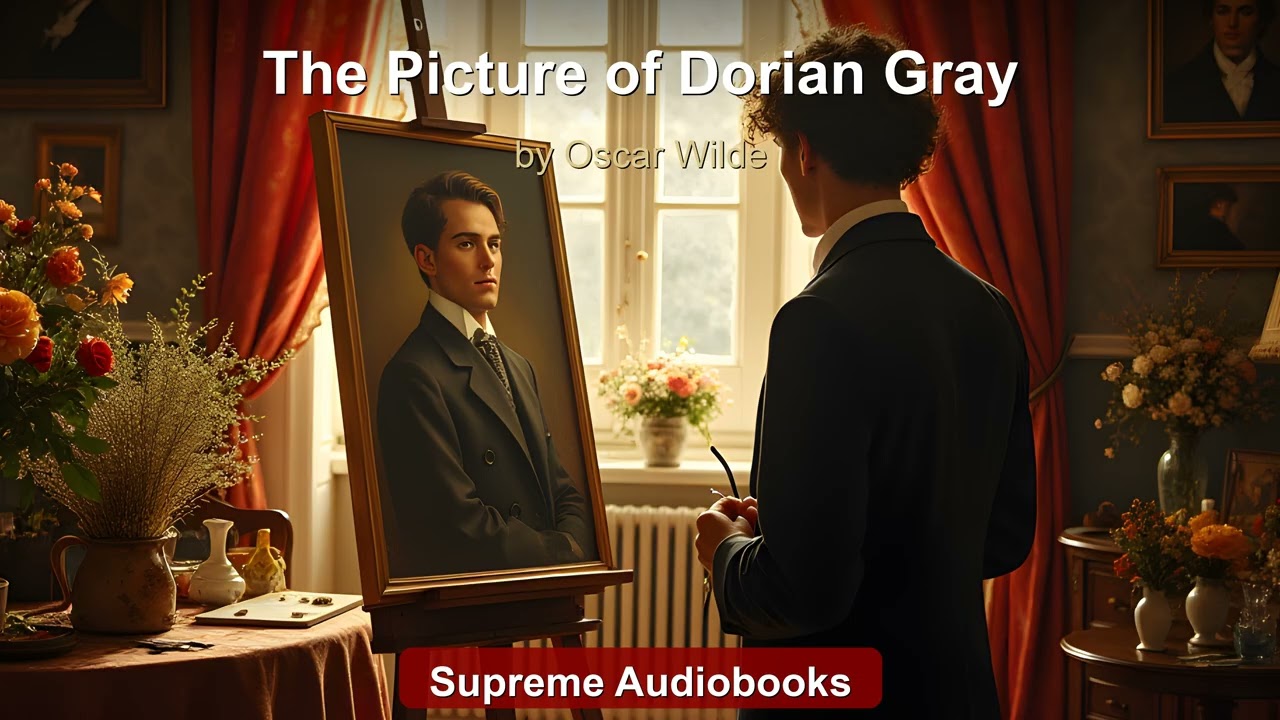
Wilde takes the doubled-self horror of Jekyll and Hyde and dresses it in Victorian decadence. The novel is a meditation on beauty, vanity, and damnation — but it is also a haunted-painting story in the Otranto tradition. The painting in the attic, ageing and corrupting in place of its owner, is one of the great gothic images.
The Picture of Dorian Gray
Listen Free6. The Turn of the Screw (1898) — Henry James
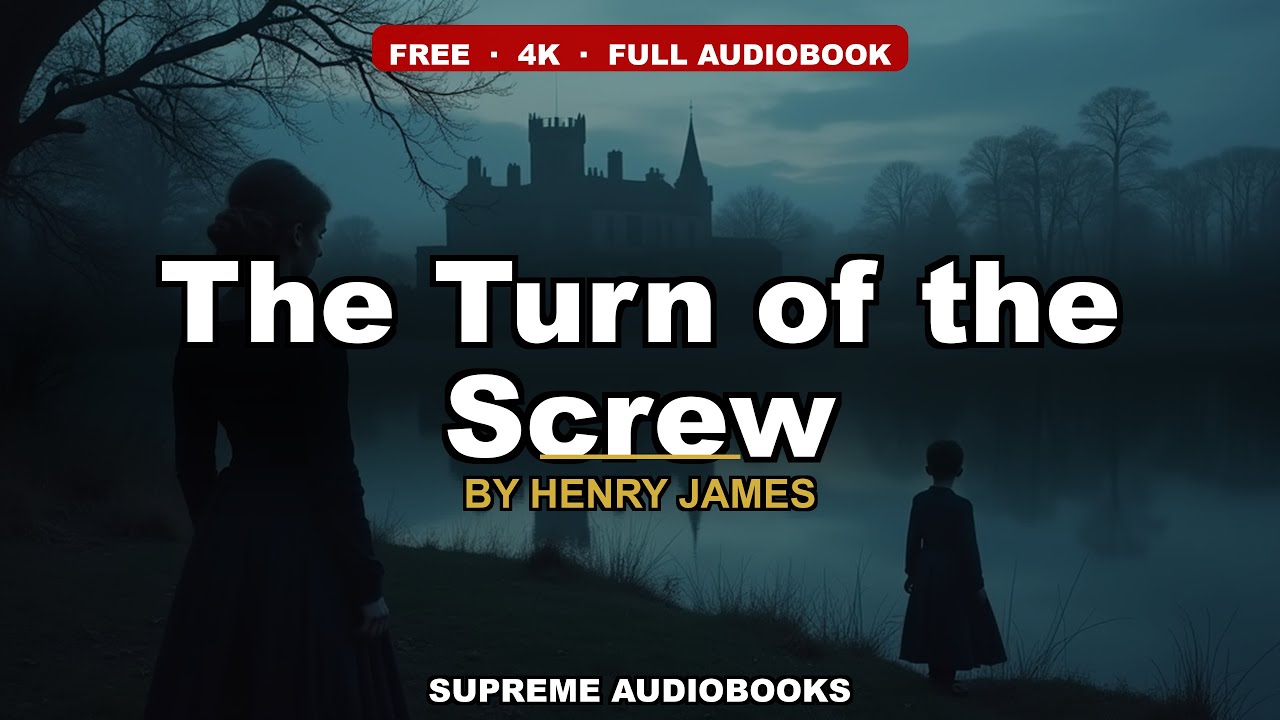
The greatest ambiguous ghost story in English. James never lets you decide whether the apparitions the governess sees are real or a product of her unraveling mind — and that ambiguity is the source of the dread. A masterclass in gothic horror that works without a single monster on stage.
The Turn of the Screw
Listen Free7. Dracula (1897) — Bram Stoker
The most influential gothic horror novel ever written. Stoker assembled a century of vampire folklore, gothic conventions, and Victorian anxieties about science, sex, and the foreign into a single 16-hour epistolary epic. Listen to it as a series of letters and journal entries, exactly as Stoker designed it — there is no narrator, only voices.
8. The King in Yellow (1895) — Robert W. Chambers
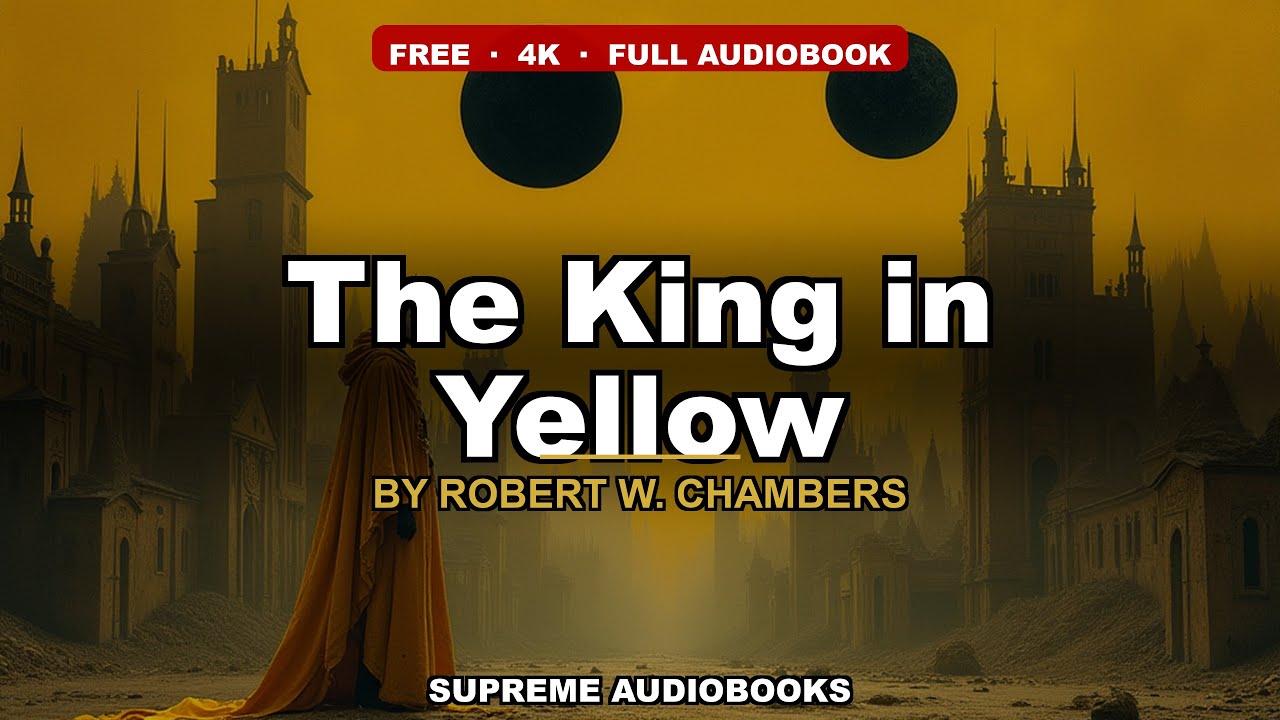
The hinge between Victorian gothic and 20th century cosmic horror. Chambers wrote a cycle of linked short stories about a forbidden play that drives its readers mad. Lovecraft would later cite Chambers as a direct influence — and the King in Yellow, the masked figure who haunts the stories, is one of the most uncanny creations in horror.
The King in Yellow
Listen Free9. The Call of Cthulhu (1928) — H. P. Lovecraft
The arrival of cosmic horror — the realization that the universe is not just haunted, but indifferent, vast, and inhuman. Cthulhu is the short story that consolidated everything Lovecraft had been building toward, and it ends the classical gothic tradition by replacing supernatural dread with cosmic dread. Listen to it after Dracula to feel the shift across thirty years.
The Call of Cthulhu
Listen FreeHow long will all of this take?
If you listen to all nine works above end to end, you are looking at about 55 hours of gothic horror. At 30 minutes per day — a typical commute — that is roughly four months of consistent listening. At 60 minutes per day, two months.
A note on order
You can read these in any order — they are not a single story. But reading them chronologically lets you hear how each writer built on the one before. Otranto is silly; Frankenstein is sublime; Dracula is exhausted Victorian anxiety; Cthulhu is the dread of the new century. The 160-year arc is the real horror story.