Can't Sleep? These Audiobooks Will Help You Drift Off
The night stretches before you, an unwelcome expanse of silence punctuated only by the relentless hum of your own thoughts. You have tried warm milk, counted sheep until they blur into an indistinct woolly mass, and scrolled through countless sleep apps promising serenity. Nothing works. But what if the solution to your sleepless nights is not silence, but story? Audiobooks have quietly emerged as one of the most effective natural sleep aids, offering a gentle, non-pharmacological path to slumber, and the science backs this compelling claim. Indeed, a significant 2024 study from the University of Sussex highlighted the profound impact of narrative engagement, finding that listening to a story reduces stress by an impressive 68 percent, a figure that outperforms even popular music and guided meditation applications. At supremeaudiobooks.com, we understand the profound difference a well-chosen narrative can make to your evening routine, guiding you away from the day's anxieties and into the comforting embrace of sleep.
The Science of Story: How Audiobooks Quiet the Mind
The secret to an audiobook's effectiveness as a sleep aid lies in a principle known as cognitive distraction, or more accurately, controlled cognitive engagement. Our minds, when left untended in the quiet darkness, often default to rehashing the day's stresses, planning tomorrow's challenges, or simply looping through anxious thoughts. This "monkey mind" activity keeps us alert, our sympathetic nervous system primed, and sleep elusive.
When you listen to a story, your mind isn't actively solving a problem or bracing for a threat; instead, it's gently occupied. The narrative provides just enough engagement to draw your attention away from internal worries, but not so much that it becomes stimulating. This delicate balance allows your brain to shift from a state of heightened arousal to a more relaxed, alpha wave state, conducive to sleep. The calming cadence of a skilled narrator's voice contributes significantly to this effect. A steady, even tone acts almost like a gentle hypnotic rhythm, slowing your heart rate and deepening your breathing without you consciously trying. For instance, many listeners report that a quiet, consistent voice can soothe them faster than silence, which can sometimes amplify internal noise.
Unlike music, which can have varying tempos and lyrical content that might evoke strong emotions, a carefully chosen audiobook offers a continuous, predictable flow. Unlike meditation apps, which require active participation and focus, audiobooks allow for passive listening, letting the words wash over you. This passive engagement helps to disengage the prefrontal cortex, the part of the brain responsible for problem-solving and critical thinking, allowing the brain to prepare for rest. Furthermore, at Supreme Audiobooks, our unique 4K visuals, designed to cast a dim, ambient glow, replace the harsh, sleep-disrupting blue light emitted by phone screens, fostering an even more serene environment for your transition to sleep.
Choosing Your Bedtime Narrative: The Art of the Gentle Read
The effectiveness of an audiobook for sleep hinges entirely on selection. Not every story is a sleep story. The goal is to choose content that engages without exciting, that flows without jarring. Heart-pounding thrillers, intricate mysteries with complex plot twists, or intense dramas are best reserved for daytime listening. Instead, seek out narratives characterized by calm, steady prose and a gentle rhythm.
Literary fiction often excels in this role. Books rich in descriptive language, focused on character introspection or gentle world-building, and lacking sudden dramatic shifts are ideal. Consider stories where the journey is more important than the destination, or where the setting itself provides a comforting presence. Poetry, with its inherent rhythm and focus on sound and imagery over plot, can function almost like a lullaby, allowing your mind to appreciate the beauty of language without needing to follow a linear story arc. Essays, particularly those that are reflective or descriptive rather than argumentative, offer a light intellectual engagement that can prevent your mind from wandering to worries, without demanding intense concentration.
Look for characteristics such as:
- Predictable Pacing: Stories that unfold slowly, allowing your mind to drift in and out without missing critical information.
- Descriptive Language: Narratives that paint vivid, calming pictures, like descriptions of natural landscapes or cozy domestic scenes.
- Absence of Cliffhangers: Avoid anything designed to keep you on the edge of your seat. The best sleep audiobooks resolve gently or have a consistent, flowing tone.
- Comforting Voices: A narrator with a clear, calm, and consistent voice is paramount. Listen to samples to find voices you find soothing.
Think of it as choosing a comfortable, well-worn blanket for your mind, rather than a puzzle it needs to solve.
Curated Comfort: Supreme Audiobooks' Top Picks for Tranquil Nights
Finding the perfect bedtime story from the vast public domain library can seem daunting. To help you on your way to restful sleep, we have curated a selection of titles renowned for their soothing qualities. These audiobooks embody the gentle prose and calming narration essential for drifting off.
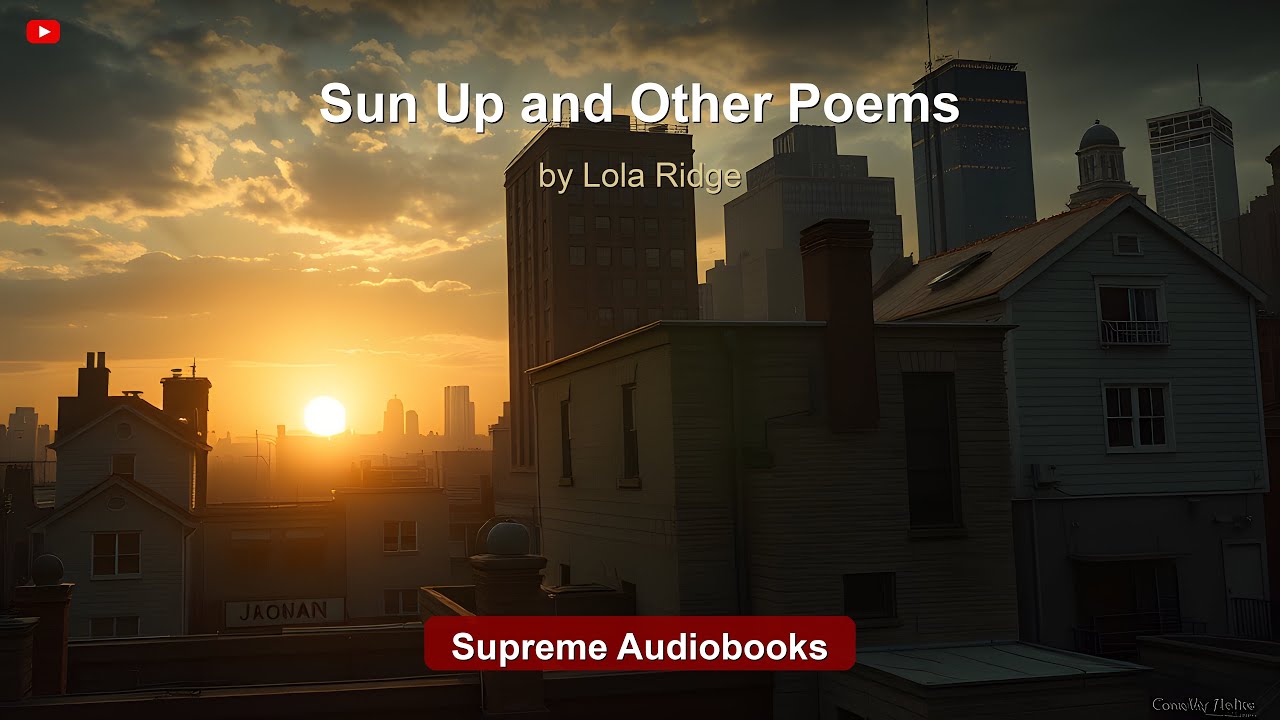
Sun Up and Other Poems
Ridge's meditative poetry flows like a lullaby. The gentle rhythm of each verse creates a soothing cadence perfect for drifting off. Let the words wash over you as you settle into sleep, finding peace in their quiet beauty and evocative imagery.
Listen Free
Summer
Wharton's languid prose about a sleepy New England village perfectly matches the pace of a drowsy evening. The narrative unfolds gently, exploring themes of youth and coming-of-age without the sharp edges of drama. It never jars you awake with sudden twists, instead inviting you into a world where time seems to slow down.
Listen FreeMore Recommendations for Your Bedside Table:
- Walden by Henry David Thoreau: This classic reflection on simple living in nature is incredibly calming. Thoreau's observations on the natural world, his quiet philosophical musings, and the steady pace of his prose provide a tranquil mental landscape, ideal for easing into sleep.
- Leaves of Grass by Walt Whitman: While some poems might be invigorating, many of Whitman's sprawling, free-verse poems are deeply meditative. His rhythmic descriptions of nature and humanity, read aloud, can create a powerful sense of peace and connection, allowing the listener to float gently towards slumber. Pick longer, more descriptive pieces rather than overtly narrative ones.
- Anne of Green Gables by L.M. Montgomery: This beloved story of a charming, imaginative orphan settling into a new life on Prince Edward Island offers gentle nostalgia and a comforting sense of innocence. The narrative is warm, character-driven, and devoid of sharp conflict, making it a perfect, predictable comfort blanket for the mind.
- The Secret Garden by Frances Hodgson Burnett: Another cherished children's classic, this book weaves a tale of transformation and healing through nature. Its gentle pace, vivid descriptions of a secluded garden, and focus on simple joys and quiet revelations make it profoundly soothing, transporting you to a peaceful, verdant world.
- Essays by Ralph Waldo Emerson: Emerson's reflective essays, such as "Self-Reliance" or "Nature," offer thoughtful, inspiring insights without demanding intense plot following. The beauty of his language and the depth of his thought can provide a gentle mental activity that keeps worries at bay, without overstimulating the mind. The consistent tone of a good narrator can make these particularly effective.
Mastering the Art of Sleep Listening: Practical Tips for a Restful Night
Once you've chosen your ideal sleep audiobook, optimizing your listening experience can significantly enhance its effectiveness. It's not just about what you listen to, but how you listen.
- Set a Sleep Timer: This is perhaps the most crucial tip. Most audiobook apps, including YouTube, offer auto-stop or sleep timer features. Set it for 30, 45, or 60 minutes. This ensures the audio fades out as you drift off, preventing it from playing all night and potentially waking you later. Imagine waking up to the sudden silence after hours of narration – it can be jarring. A gentle fade or stop prevents this.
- Keep the Volume Low: The narration should be just loud enough to follow comfortably, but soft enough to let your mind wander and eventually disengage. If it's too loud, it becomes intrusive and keeps your brain actively processing the sound. If it's too quiet, you might strain to hear, which is counterproductive. Experiment to find that perfect, barely-there level.
- Make it a Ritual: Your brain thrives on predictability. Listening to the same type of audiobook or even starting the same book each night (picking up where you left off, or even restarting a favorite comfort listen) can train your brain to associate the experience with sleep. Within a week or two, you may find yourself falling asleep faster, almost as soon as the familiar voice begins. This is a form of classical conditioning, like Pavlov's dogs associating a bell with food. Your brain learns to associate the audiobook with the onset of sleep.
- Avoid Plot-Heavy Stories at Bedtime: We reiterate this point because it's vital. Save the gripping mysteries, suspenseful thrillers, and complex narratives for your commute or daytime activities. At night, prioritize poetry, essays, gentle literary fiction, or descriptive non-fiction. Anything that makes you think "what happens next?" is unsuitable for sleep.
- Optimal Device Placement: Place your device away from your bed, ideally on a nightstand or dresser. This minimizes the temptation to check notifications or scroll, and reduces any faint light from the screen. If using headphones, consider comfortable, flat designs or even specialized sleep headphones that won't irritate your ears if you lie on your side.
- Dim the Lights (and screens): Beyond our 4K visuals, ensure your room is as dark as possible. Melatonin production, crucial for sleep, is inhibited by light. Avoid all other bright screens for at least an hour before bedtime. An audiobook allows you to bypass screen time while still engaging your mind productively for sleep.
Beyond the Bedtime Story: Building a Sleep Ritual
Integrating audiobooks into your nightly routine is more than just pressing play; it's about crafting a mindful transition from wakefulness to rest. A consistent bedtime ritual signals to your body and mind that it's time to wind down. An audiobook can be the cornerstone of this ritual.
Consider combining your sleep listening with other calming activities. Perhaps a warm, decaffeinated tea, a gentle stretching routine, or a few moments of quiet reflection before you lie down. Once in bed, with your audiobook playing softly, let your awareness settle on the narrator's voice and the gentle flow of the story. This focused yet passive attention can be a form of mindfulness, helping you to disengage from the day's events and be present in the moment, without the active effort often required by meditation. Over time, this consistent practice can not only help you fall asleep faster but can also improve the overall quality of your sleep, leading to more restorative rest and reduced anxiety about sleep itself. It transforms the act of going to bed from a potential struggle into a peaceful, anticipated moment of literary comfort.
Start Listening Today
Sleep is not a luxury; it's a fundamental necessity for our physical and mental well-being. If silent nights have proven to be your adversary, perhaps it's time to embrace the soothing power of a story. Audiobooks offer a gentle, scientifically supported path to peaceful slumber, guiding your mind away from worry and into the tranquil landscapes of narrative. With supremeaudiobooks.com, you have free access to a vast library of public domain classics, perfectly suited to become your nightly companion. Bid farewell to restless nights and welcome the restorative comfort of literature. Sweet dreams start with great literature.