About Carolyn Wells
During the turn of the 20th century, a time when American literature began to expand its reach to a broader readership, a remarkably prolific author distinguished herself across multiple genres. Carolyn Wells, born in Rahway, New Jersey, on June 18, 1862, developed a reputation for wit and ingenuity that captivated generations of readers.
Wells received her education at home and in local private schools, where her precocious intellect and fondness for riddles and wordplay became apparent. This early passion for puzzles and narrative would later shape her unique literary voice. She initially worked as a librarian, a profession that undoubtedly deepened her familiarity with various forms of storytelling.
Her literary career blossomed from humble beginnings, with her earliest published works often appearing as clever verses and conundrums in magazines. As the publishing world embraced mass-market periodicals and dedicated children's imprints, Wells found ample opportunity to showcase her versatile talents. Her first significant success arrived with *The Jingle Book* in 1899, a collection of whimsical poems that delighted young audiences and established her as a fresh voice in children’s literature. Wells quickly became a publishing sensation, producing an average of five books a year throughout much of her career.
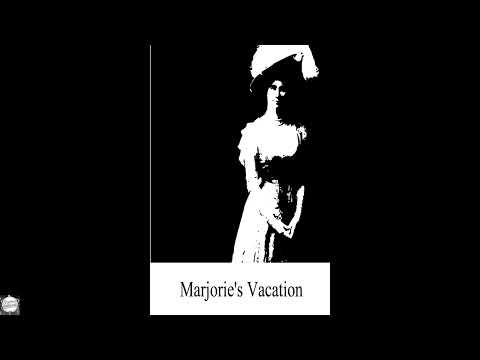
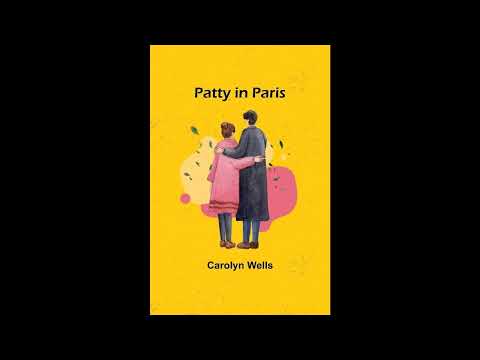
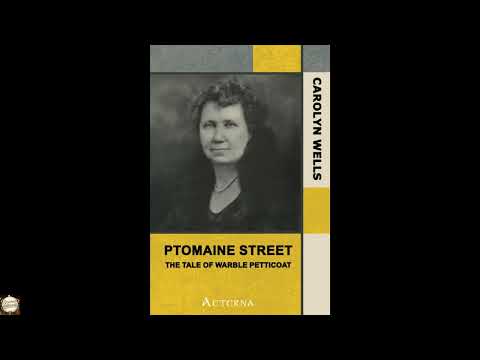
Her most notable works reveal the breadth of her interests. *Patty Fairfield*, published in 1901, introduces a lively, independent young woman navigating social situations. *Marjorie's Vacation*, from 1907, follows another girl through summertime adventures, showcasing Wells’s ability to craft appealing characters for young readers. Later, she turned her keen intellect to detective fiction, creating the enduring character of Fleming Stone, whose debut in *The Room with the Tassels* (1918) presents a complex locked-room mystery. Wells also demonstrated a sharp satirical edge with *Ptomaine Street: The Tale of Warble Petticoat* (1921), which cleverly lampoons contemporary small-town American life. Her passion for humor culminated in *The Outline of Humor* (1923), a comprehensive study and anthology of comedic writing across the ages.
Wells’s writing style was marked by its clarity, wit, and a consistent thread of good-natured humor. Whether crafting a children’s story or a chilling mystery, she infused her narratives with intellectual playfulness and often a gentle satire. Her themes frequently revolved around friendship, self-reliance, and the triumph of cleverness, exemplified in her popular Patty series, where the titular character consistently navigates social challenges with resourcefulness and charm. Her ability to blend amusement with a touch of moral instruction made her work widely appealing.
Throughout her long career, which spanned until her death in New York City on March 26, 1942, Wells produced an astonishing volume of work. She was a pioneering figure in American children’s literature, creating beloved characters and series that entertained and educated young readers for decades. In the realm of mystery, her detective Fleming Stone brought a systematic, intellectual approach to crime-solving, influencing the development of the "Golden Age" detective story. Her parodies demonstrated a sharp observational wit, positioning her as a commentator on contemporary literary and social trends. Wells successfully bridged the gap between the didacticism of Victorian children’s books and the more character-driven narratives that followed, leaving a legacy of engaging and diverse stories. Today, her ingenuity and narrative skill can be rediscovered by listeners enjoying her public domain works as free audiobooks.
More on Wikipedia →