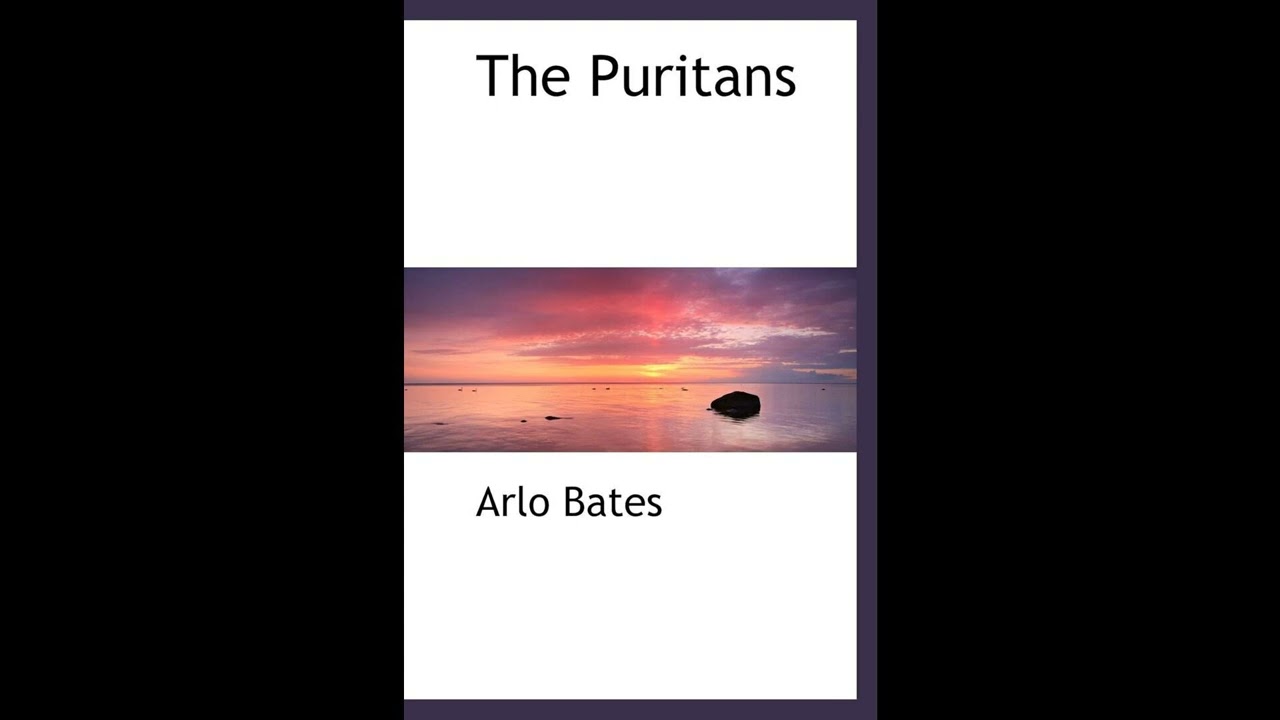
The Puritans
"The Puritans" by Arlo Bates offers a vivid and incisive look into a moment of profound cultural transition, when the rigid moral codes of New England’s past collided head-on with the burgeoning intellectual freedoms and social shifts of the late nineteenth century. It is more than just a historical novel; it is a compelling examination of conscience, community, and the persistent weight of tradition, asking us to consider how deeply inherited beliefs shape our individual lives and collective futures. For anyone who has ever felt the pull between personal desire and societal expectation, or grappled with the legacy of a deeply ingrained cultural heritage, this story resonates with surprising force, revealing the human drama at the heart of America's evolving identity. Set against the backdrop of Boston's sophisticated yet conservative society in the waning years of the 19th century, Arlo Bates introduces us to the earnest and somewhat naive Katherine Randolph. Raised in a household steeped in the ethical precepts of her Puritan ancestors, Katherine finds herself increasingly at odds with the strictures that govern her world. Her wealthy, influential family, while outwardly progressive, still harbors an unyielding adherence to certain moral judgments and social expectations, inherited from generations past. The city itself, with its Brahminical intellectual circles and its burgeoning artistic communities, presents a fascinating duality: a place of enlightenment, yet also of subtle, pervasive control. Katherine’s life takes an unforeseen turn with the arrival of Stephen Armitage, a brilliant young scholar and free-thinker who challenges many of the established notions she has been taught to revere. Armitage, with his unconventional views on religion, art, and personal liberty, represents a stark contrast to the rigid piety of her upbringing and the cautious conformity of her social set. Their intellectual sparring soon blossoms into a deeper connection, forcing Katherine to confront the true depth of her own convictions and the potential cost of defying her family and community. The central conflict intensifies as Katherine navigates the pressures to maintain appearances, honor her family’s legacy, and reconcile her growing feelings for Stephen with the perceived moral trespass his ideas represent. She must weigh the sanctity of tradition against the allure of personal truth and emotional fulfillment, a choice that threatens to unravel the carefully constructed order of her world and reveal the subtle hypocrisies lurking beneath society's polite veneer. Arlo Bates, the accomplished mind behind "The Puritans," was a prominent figure in Boston's literary and academic circles during the late 19th and early 20th centuries. Born in East Machias, Maine, in 1850, Bates received his education at Bowdoin College, graduating in 1876. His early career saw him engaged in journalism, notably with the Boston Courier, before he transitioned to a long and distinguished tenure as a professor of English at the Massachusetts Institute of Technology, where he taught from 1878 until 1915. This dual life—observing society as a journalist and shaping young minds as an academic—undoubtedly informed his keen insights into human nature and social dynamics. Bates was a versatile writer, publishing poetry, essays, and novels. Among his other notable works are "The Pagans," a novel that, like "The Puritans," investigates social criticism and intellectual debate, and "Talks on Writing English," a widely used textbook that demonstrated his pedagogical acumen and clear understanding of prose. Though perhaps not as widely remembered as some of his contemporaries, Bates held a respected place within the literary landscape of his era, often associated with the American Realist movement. His writing frequently depicted the nuanced social textures of Boston, a city he knew intimately, and examined the moral and intellectual dilemmas faced by its inhabitants. He passed away in Boston in 1918, leaving behind a body of work that illuminates the shifting values of a rapidly modernizing America. One of the most potent themes Bates illuminates in "The Puritans" is the enduring, often suffocating, legacy of its namesake. Through Katherine Randolph's internal struggles, listeners witness how the deeply ingrained moral and social codes of Puritanism continue to shape behavior and judgment long after the explicit religious fervor has waned. For instance, a seemingly innocuous social gathering becomes a crucible of unspoken judgments when Katherine expresses an opinion contrary to the accepted "proper" view, showcasing how the fear of ostracism, a vestige of colonial religious censure, still holds sway over individuals. This subtle yet powerful pressure highlights the persistent influence of a foundational ideology, even when society outwardly claims to have evolved beyond it. Another significant thread Bates weaves throughout the narrative is the tension between individual authenticity and societal conformity. Katherine's growing affection for Stephen Armitage and her burgeoning intellectual independence directly challenge the expectations laid upon her by her family and the community. Consider the scene where she secretly attends a lecture by Armitage on philosophical skepticism. Her presence there, a quiet act of rebellion, immediately causes ripples in her social circle once discovered, leading to hushed conversations and veiled criticisms that underscore the cost of stepping outside prescribed boundaries. Bates skillfully demonstrates how the desire for personal truth often comes at the expense of social acceptance, forcing characters to make difficult choices about their integrity and their place in the world. Bates also subtly critiques the hypocrisy that can arise when outward piety masks deeper moral failings, or when individuals use traditional values as a shield for their own prejudices. Arlo Bates published "The Puritans" in 1898, placing it squarely in a period of profound transformation in American society—the late Gilded Age. This era was characterized by rapid industrialization, burgeoning urbanization, and significant social upheaval. In the literary world, it marked the ascendance of Realism and Naturalism, as writers turned away from romanticized portrayals of life to focus on the unvarnished realities of American experience. Authors like William Dean Howells and Henry James were meticulously dissecting social mores and psychological complexities, movements that Bates clearly engaged with in his own writing. Boston, the novel's setting, held a unique position during this time. Long considered the "Athens of America," it was a bastion of intellectualism, culture, and established wealth, but also deeply conscious of its foundational Puritan heritage. The city was grappling with its identity, caught between the veneration of its past and the demands of an increasingly modern, diverse world. Bates's novel thus emerged as a direct reflection of these tensions: the clash between old money and new ideas, between inherited moral frameworks and burgeoning secular thought, and between the rigid social stratification and the stirrings of individual liberty. "The Puritans" provided a timely commentary on how American identity itself was being forged in this crucible of tradition and progress, questioning whether the nation could truly shake off its historical chains or was destined to perpetually reckon with them. Listening to "The Puritans" as an audiobook offers a singular opportunity to immerse oneself in Arlo Bates's finely crafted prose and the atmospheric world he creates. With a runtime of several hours, it is perfectly suited for extended periods of focused listening, whether during a long commute, a contemplative afternoon, or quiet evenings at home. A skilled narrator can bring the nuanced characterizations to life, allowing the listener to truly inhabit Katherine Randolph’s internal world, feeling the weight of societal expectations and the thrill of burgeoning independence through vocal inflection and carefully modulated pacing. The narrator's voice can lend a measured gravitas to the descriptive passages, painting vivid pictures of turn-of-the-century Boston, from its elegant drawing rooms to its bustling intellectual forums. Listen for the subtle shifts in tone during dialogues, which often carry layers of unspoken meaning and social critique, allowing the full import of Bates’s observations on hypocrisy and human nature to shine through. The spoken word adds a layer of intimacy and immediacy to this classic work, transforming it from a text to be read into a lived experience, drawing you deeper into its historical moment and its enduring questions about belief and belonging.
Enjoyed The Puritans? A few ways to support us
Audible & Amazon links are affiliate; we may earn a small commission at no extra cost.
About this production
Human narration by a volunteer reader from LibriVox.org, the public-domain audiobook project. LibriVox volunteers record literary works whose copyright has expired in the United States, releasing the resulting recordings into the public domain.
The Puritans by Arlo Bates by Arlo Bates. The underlying text is in the U.S. public domain. We do not republish any modern copyrighted edition, translation, or commentary.
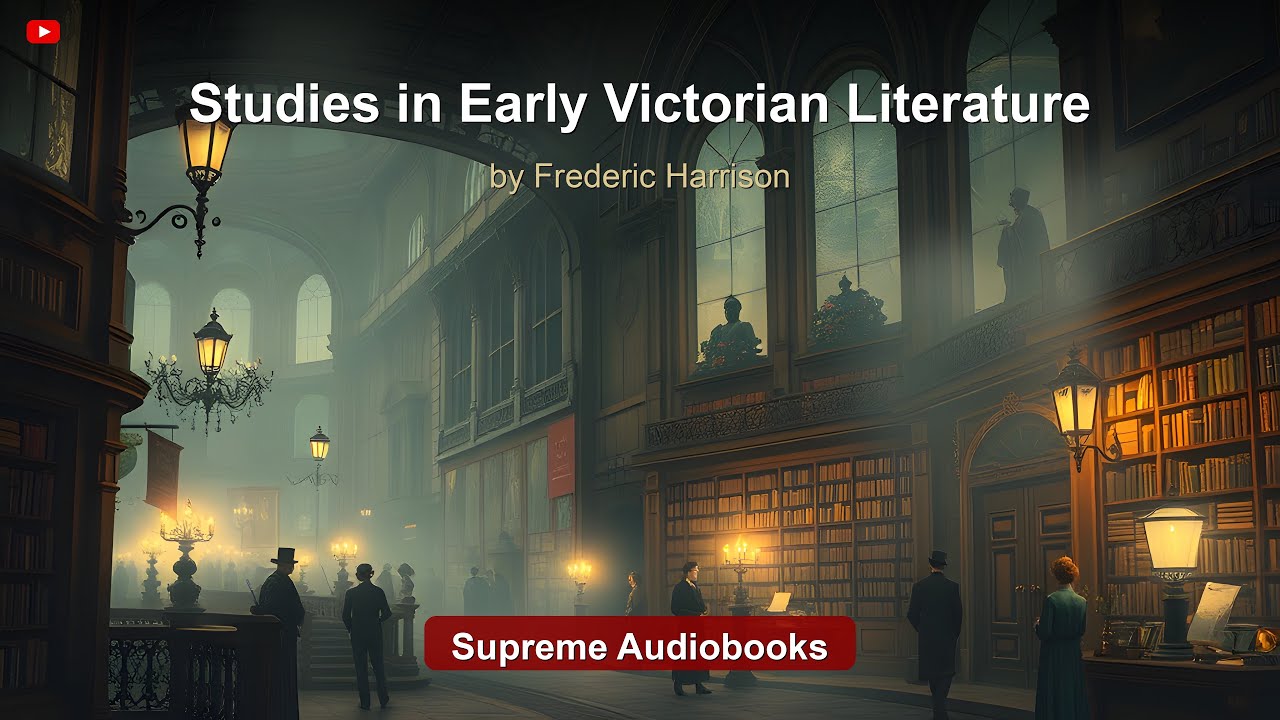
The 4K cinematic visuals accompanying this audiobook are generated by an AI image model from prompts derived from the source text. No copyrighted photos, paintings, or stock footage are used. AI generation is disclosed on every video on our YouTube channel as required by YouTube's altered/synthetic content policy.
English subtitles are transcribed from the LibriVox recording with OpenAI Whisper. Translations into the 11 other supported languages are produced by Meta's NLLB-200 neural translation model. No human translator's copyrighted translation is used.
Questions about sourcing or rights? See our DMCA & Sourcing policy or contact us.
Enjoyed this audiobook?
If you'd like to own a copy of The Puritans or hear a professionally produced edition, the links below help support free audiobook production at no extra cost to you.
As an Amazon Associate we earn from qualifying purchases. Audible / print links are affiliate.