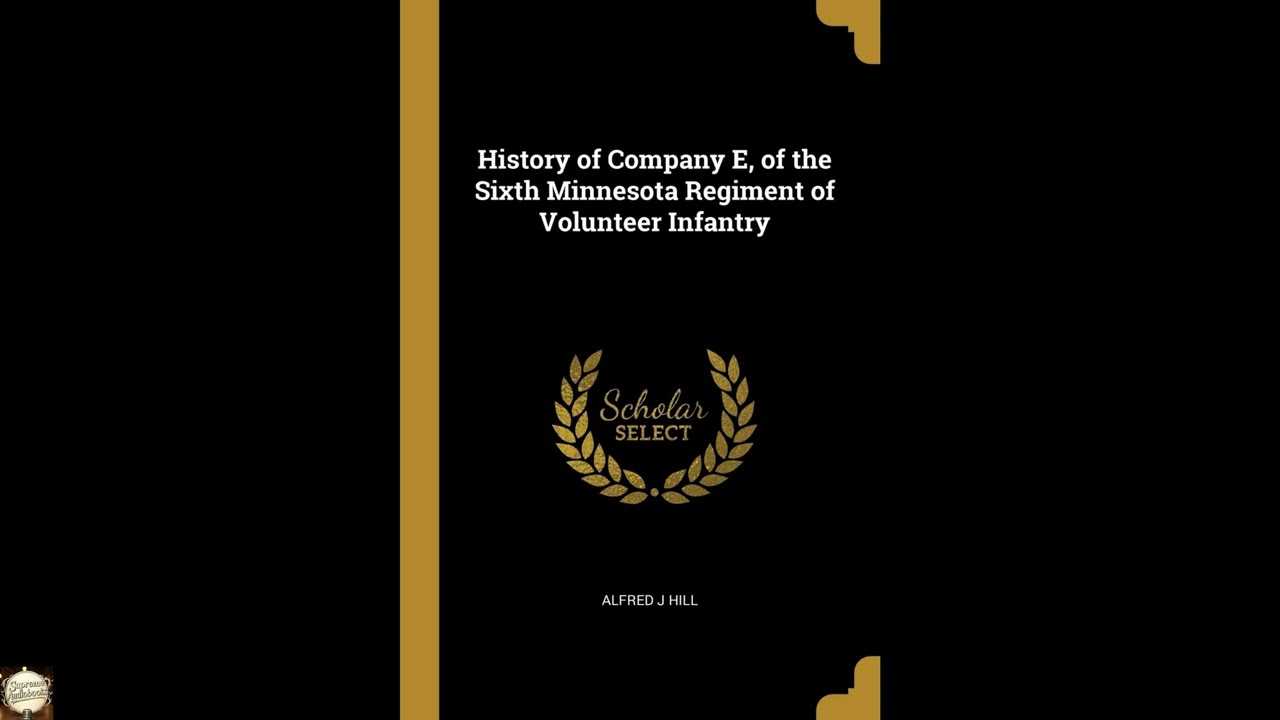
History of Company E, of the Sixth Minnesota Regiment of Volunteer Infantry
The American Civil War stands as a defining moment in the nation’s history, a conflict of unprecedented scale and human cost. While grand narratives often focus on generals and sweeping campaigns, the true heart of this struggle beat in the individual companies—groups of men from shared communities who faced the brutality of war side by side. History of Company E, of the Sixth Minnesota Regiment of Volunteer Infantry offers precisely this vital perspective: a meticulously gathered account of the foot soldiers who comprised one such unit. This isn’t simply a record of dates and battles; it's a testament to the endurance, loyalty, and daily experiences of ordinary men pressed into extraordinary service, offering listeners a rare, intimate window into the past that resonates with universal truths about conflict, community, and courage. This compelling historical narrative chronicles the formation and operational life of Company E, a component of the Sixth Minnesota Regiment, from their initial mustering to their eventual return home. The setting is the vast and often unforgiving landscape of the American heartland, from the northern frontier where early engagements tested their mettle, to the battlefields of the South. The story begins with the company’s organization, drawing together recruits from various towns and farmlands of Minnesota. These are men who answered the call to preserve the Union, leaving behind their lives as farmers, tradesmen, and sons, to shoulder arms for a cause they believed in. Listeners follow Company E as they undergo the rudimentary training of citizen soldiers, transforming from disparate individuals into a cohesive fighting force, bound by shared purpose and the strictures of military discipline. As the narrative unfolds, Company E's path quickly leads them into the grim realities of conflict. Their service initially involves confronting the Dakota War of 1862 on the Minnesota frontier, a violent uprising that saw them defending settlers and establishing a presence in contested territories. Later, with this immediate threat managed, the regiment—and Company E within it—is transferred south, thrust into the complex and brutal Western Theater of the Civil War. Here, they participate in significant campaigns, from the siege of Vicksburg and the Meridian Expedition to the Mobile campaign, enduring long marches through difficult terrain, the ever-present threat of disease, and the harrowing exchanges of rifle fire. The book meticulously details these movements, the strategic objectives, and the day-to-day existence in camp and on the battlefield, painting a vivid picture of the relentless demands placed upon these volunteer infantrymen. The arc of their story is one of sustained commitment through hardship, marked by periods of intense combat interspersed with the monotony of garrison duty, all leading them inexorably towards the ultimate conclusion of the war. The authorship of History of Company E remains anonymous, a common characteristic of many regimental histories from the post-Civil War era. These crucial records were rarely the singular product of a literary figure but often the result of a collaborative effort, a collective memory carefully compiled and presented. Typically, such accounts were organized and written by a surviving officer, a company clerk, or a committee of veterans seeking to document the service of their comrades. The "author" in this case is best understood as the voice of the company itself—a composite of personal recollections, official dispatches, diary entries, and letters home. This approach ensured that the story truly represented the shared experiences of the unit, rather than the singular perspective of one individual. These regimental histories emerged primarily in the decades following the war, as veterans recognized the importance of preserving their legacy and ensuring the sacrifices made were not forgotten. They served as a vital means for units to honor their dead, record their contributions to the Union cause, and offer a detailed account of their specific engagements, which might otherwise be lost in broader historical surveys. The process of compiling such a history often involved extensive correspondence among former soldiers, meticulous cross-referencing of muster rolls and pension records, and the careful selection of anecdotes and official reports to construct a coherent narrative. The resulting text, like this one, stands as a direct link to the past, a monument erected by the survivors to the courage and camaraderie that defined their wartime experience. Within the pages of History of Company E, several profound themes rise to the surface, speaking to the enduring human elements of war. Foremost among these is the theme of camaraderie and brotherhood. Listeners will witness the intense bonds forged between men who shared the same dangers, privations, and triumphs. From the simple act of sharing meager rations around a flickering campfire to the critical moments of mutual support on the battlefield when one man’s life depended on another’s courage, the text consistently highlights the deep affection and loyalty that developed within the company. For example, accounts of tending to wounded comrades under fire, or the collective mourning for fallen friends, underscore how these shared experiences transformed strangers into an unbreakable unit. Another central theme is resilience and endurance. The soldiers of Company E faced not only the enemy’s bullets but also the relentless challenges of disease, hunger, exposure, and homesickness. The descriptions of arduous marches through difficult terrain, enduring siege conditions for weeks on end, or recovering from illnesses in primitive hospitals, showcase an incredible capacity for perseverance. Their unwavering commitment to duty, even in the face of overwhelming odds and personal suffering, exemplifies the human spirit’s ability to adapt and persist. Furthermore, the narrative subtly addresses the theme of the reality of war versus any romanticized notions. While honoring their service, the text does not shy away from describing the visceral details of combat, the suddenness of death, and the daily grind that characterized military life, offering a stark counterpoint to more heroic or abstract portrayals of conflict. The emergence of such regimental histories in the post-Civil War era was a direct response to a nation grappling with its recent past. Culturally and politically, America was in a period of intense reflection and reconstruction. Veterans, now civilians, formed powerful groups like the Grand Army of the Republic, dedicated to mutual support and memorializing the Union cause. There was a profound societal need to document the war, both to heal the wounds of conflict and to understand the sacrifices made for national unity. The literary landscape of the late 19th century, while also giving rise to early forms of realism in fiction, equally valued factual accounts and historical documentation. These histories provided crucial primary source material, not only for future historians but also for the generations of Americans who wished to connect with the lived experience of their fathers and grandfathers. They contributed to a collective memory, shaping how the nation understood its most traumatic ordeal and the principles for which it fought. Listening to History of Company E as an audiobook offers a unique and immersive connection to this significant historical document. A skilled narrator can bring the sometimes formal language of the original text to life, lending a voice to the anonymous chroniclers and the countless men they represent. The several hours of runtime allow for a substantial, unhurried appreciation of the company's full period of service, enabling listeners to truly settle into the rhythm of their daily struggles and triumphs. The pacing, delivered through thoughtful narration, transforms what could be a dry record into a living chronicle, guiding one through the campaigns and the quiet moments alike. The atmosphere created by the spoken word – the descriptions of camp life, the tension of impending battle, the solemn reflection on loss – becomes palpable, transporting the listener directly into the midst of the Sixth Minnesota Regiment, offering a profound sense of presence within this pivotal chapter of American history.
Enjoyed History of Company E, of the Sixth Minnesota Regiment of Volunteer Infantry? A few ways to support us
Audible & Amazon links are affiliate; we may earn a small commission at no extra cost.
About this production
Human narration by a volunteer reader from LibriVox.org, the public-domain audiobook project. LibriVox volunteers record literary works whose copyright has expired in the United States, releasing the resulting recordings into the public domain.
History of Company E, of the Sixth Minnesota Regiment of Volunteer Infantry by Alfred J. Hill. The underlying text is in the U.S. public domain. We do not republish any modern copyrighted edition, translation, or commentary.
The 4K cinematic visuals accompanying this audiobook are generated by an AI image model from prompts derived from the source text. No copyrighted photos, paintings, or stock footage are used. AI generation is disclosed on every video on our YouTube channel as required by YouTube's altered/synthetic content policy.
English subtitles are transcribed from the LibriVox recording with OpenAI Whisper. Translations into the 11 other supported languages are produced by Meta's NLLB-200 neural translation model. No human translator's copyrighted translation is used.
Questions about sourcing or rights? See our DMCA & Sourcing policy or contact us.
Enjoyed this audiobook?
If you'd like to own a copy of History of Company E, of the Sixth Minnesota Regiment of Volunteer Infantry or hear a professionally produced edition, the links below help support free audiobook production at no extra cost to you.
As an Amazon Associate we earn from qualifying purchases. Audible / print links are affiliate.
More Audiobooks

The War Chief of the Six Nations: A Chronicle of Joseph Brant
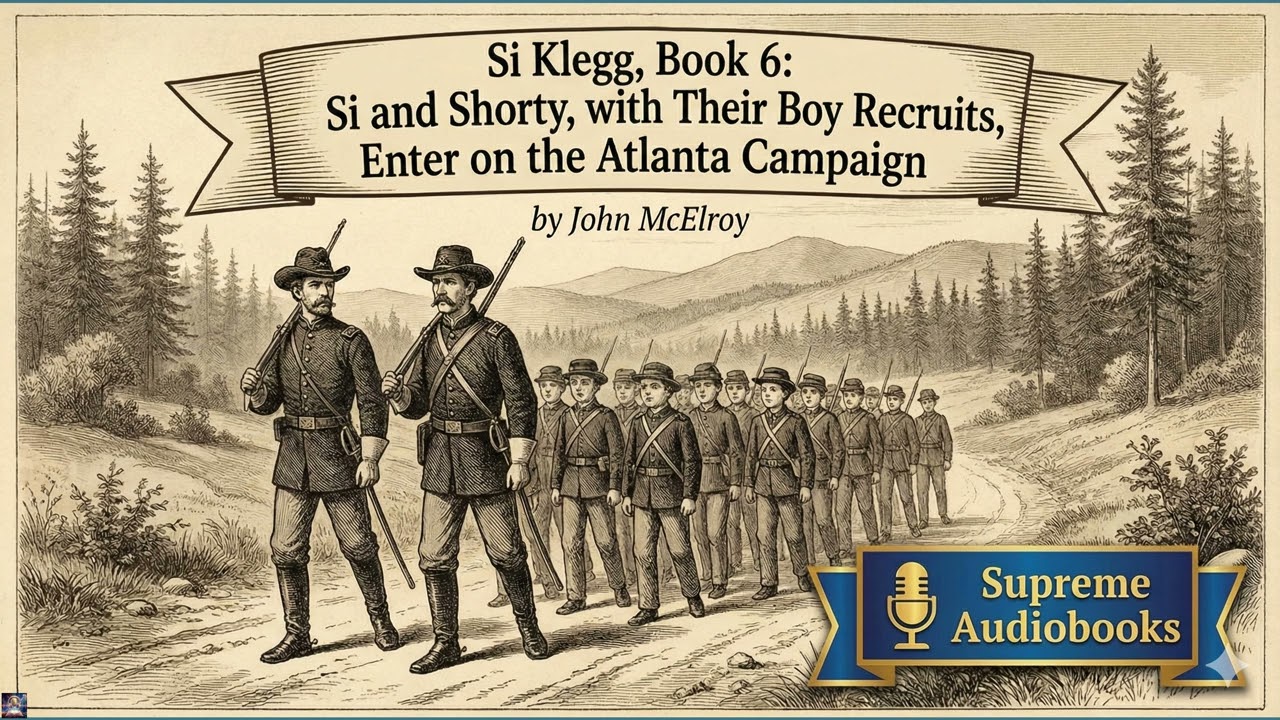
Si Klegg, Book 6 : Si and Shorty, with Their Boy Recruits, Enter on the Atlanta Cam
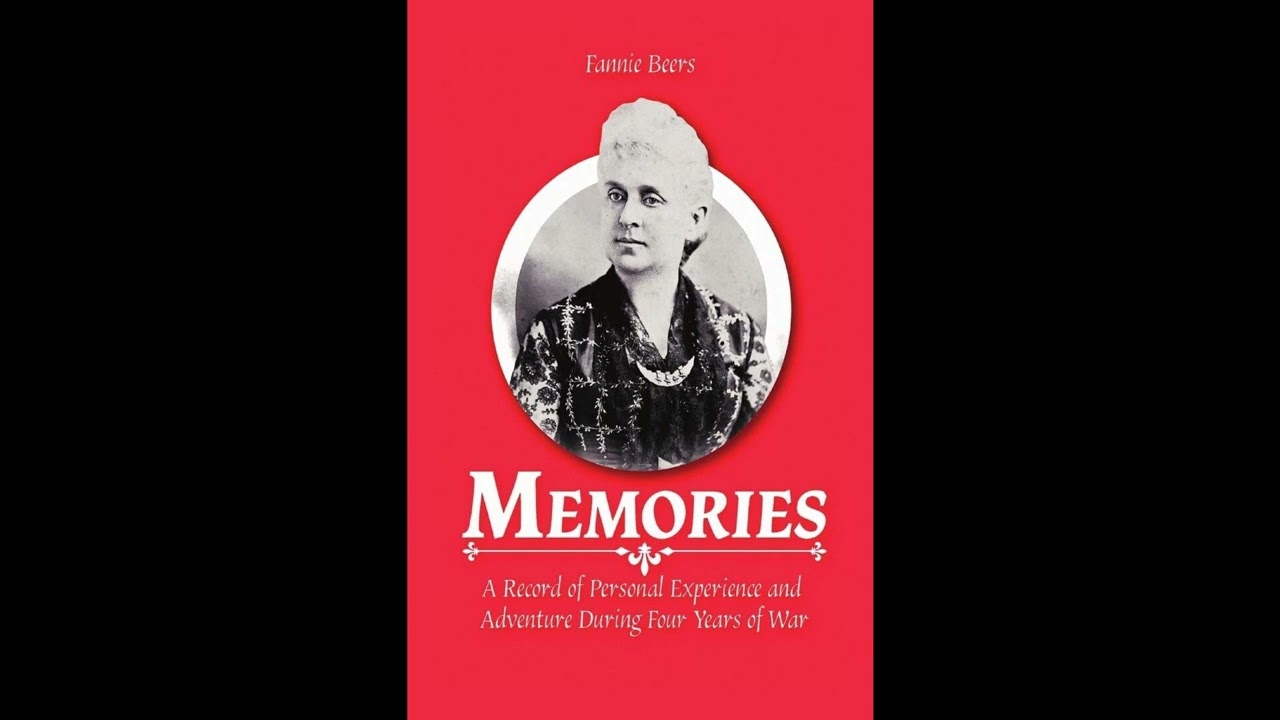
Memories: A Record of Personal Experience and Adventure During Four Years of War

A Lieutenant at Eighteen