A Beginner's Guide to Victorian and Classic Literature
Classic literature can feel intimidating. The language is older, the sentences are longer, and the cultural context is unfamiliar. But behind the formal prose lies some of the most powerful storytelling ever written, stories about love, ambition, betrayal, and the eternal struggle to find meaning in a complicated world.
This guide is for anyone who wants to explore classic literature but does not know where to start. We will walk through the major literary eras, recommend starting points from our library, and share tips for getting the most out of these timeless works.
Understanding the Eras
The Victorian Era
Named after Queen Victoria's reign, this period produced some of literature's most beloved novels. Victorian writers grappled with industrialization, class inequality, and moral duty. Their works tend to be long, richly detailed, and deeply concerned with social justice. Think Dickens, the Brontë sisters, and George Eliot.
The Gilded Age and Realism
American writers like Edith Wharton and Mark Twain turned away from romanticism and wrote about life as it actually was. Their sharp observations of class, wealth, and human nature feel startlingly modern. This era produced some of the most accessible entry points into classic literature.
Classical Antiquity
The oldest works in the Western canon, from Homer and Virgil to Tacitus and Plutarch. These texts shaped everything that came after. They can be challenging, but shorter works like Tacitus are surprisingly readable and pack enormous historical insight into a few dozen pages.
Where to Start: Our Recommendations
For the Complete Beginner
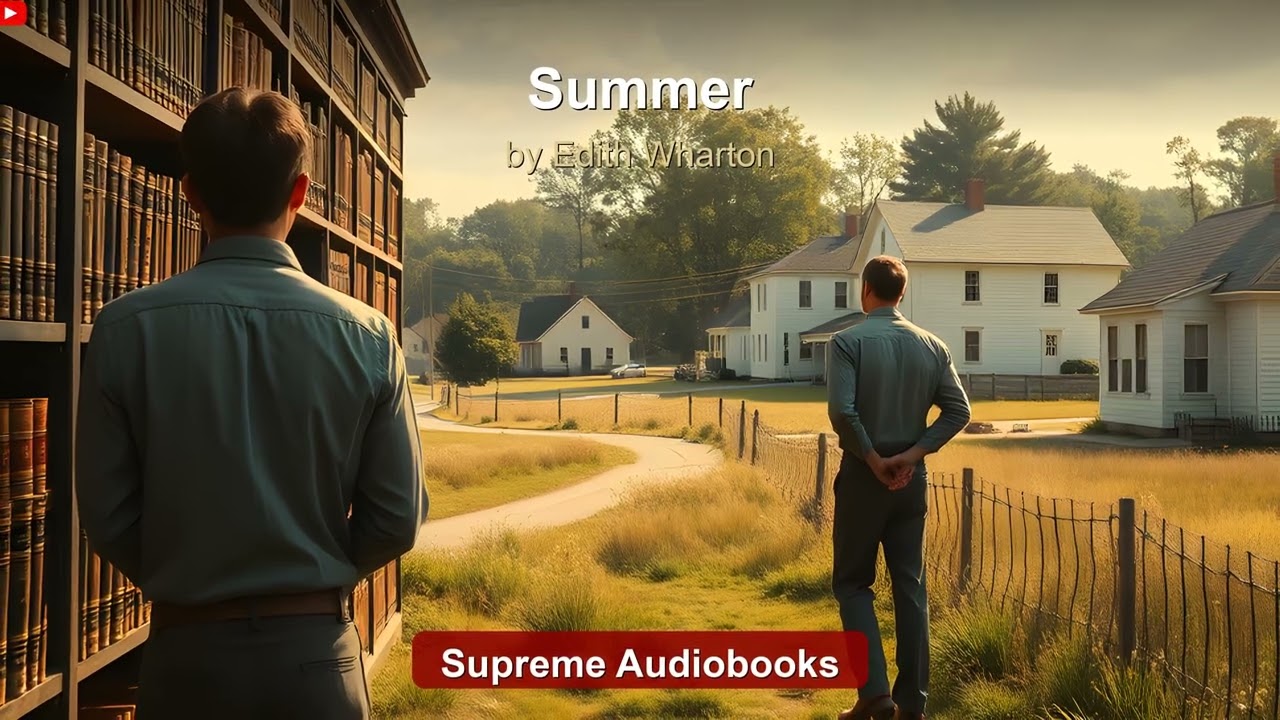
Summer by Edith Wharton
At just a few hours long, Summer is the perfect entry point. Wharton writes with clarity and emotional precision. The story of a young woman's awakening in rural New England is timeless, and the prose is far more accessible than you might expect from a book published in 1917.
Listen FreeFor the History Lover
Tacitus on Germany
Written nearly 2,000 years ago, this short ethnographic work describes the Germanic tribes with vivid, sometimes surprising detail. At under an hour, it is one of the fastest ways to experience ancient literature, and it reads more like travel journalism than a dusty manuscript.
Listen FreeFor the Adventurous Reader
Tales of Fantasy and Fact
If full-length novels feel daunting, start with short stories. Matthews blends reality and imagination in tales that surprise and entertain. Each story stands alone, so you can dip in and out without committing to a long narrative arc.
Listen FreeTips for Enjoying Classic Literature
- Listen first, read later. Audiobooks let you absorb the rhythm and emotion of the prose without getting stuck on unfamiliar vocabulary. Once you have heard the story, reading the text feels much more natural.
- Start short. Do not begin with War and Peace. Pick something under two hours and see how it makes you feel.
- Use subtitles. Following along with subtitles helps you connect the spoken word with the written text, strengthening comprehension.
- Do not worry about understanding everything. Classic literature rewards re-reading. Let the story wash over you the first time, and pick up the nuances on the second pass.
- Try the transcript. Our website has full transcripts with search and timestamps, so you can always look up a passage that caught your ear.
Did You Know?
All our audiobooks use narration from LibriVox, a volunteer project dedicated to making public domain literature available to everyone. The audiobooks are free because the literature belongs to all of us.