Audiobooks That Changed Society: Literature of Social Commentary
Literature has always been a mirror held up to society — reflecting its beauty, its cruelty, and its contradictions. The greatest works of social commentary do not merely describe the world as it is — they force us to see it clearly, often for the first time. From Charles Dickens exposing the horrors of Victorian poverty to F. Scott Fitzgerald dissecting the hollow promises of the American Dream, these books have shaped public consciousness and changed laws, policies, and hearts.
Why Social Commentary Hits Harder in Audio
When a narrator reads a passage about a child starving in a London workhouse or a millionaire drowning in empty excess, the human voice adds an emotional dimension that silent reading cannot match. Social commentary literature was often written to provoke — to make comfortable people uncomfortable, to force confrontation with injustice. In audio, that provocation is inescapable. You cannot skim past the difficult passages or skip the descriptions that make you uneasy. The narrator holds you accountable, word by word, to the reality the author is presenting.
Essential Social Commentary Audiobooks
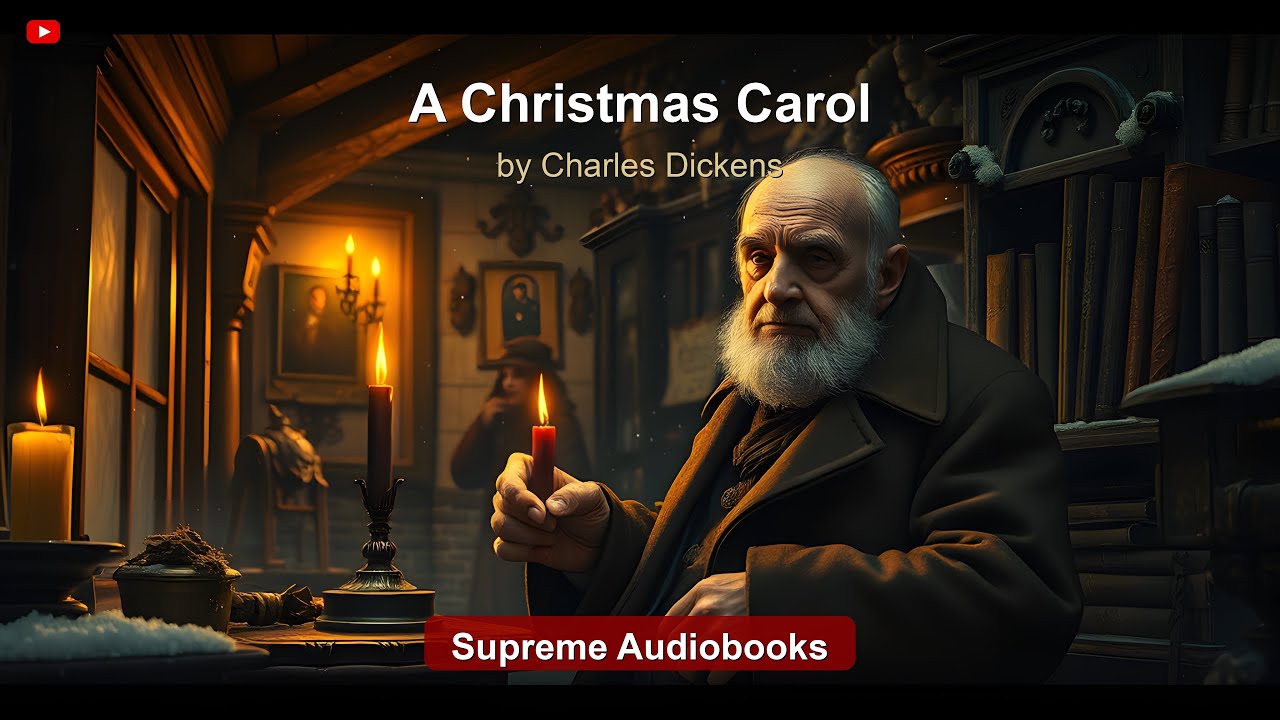
1. A Christmas Carol by Charles Dickens
A Christmas Carol
Beneath the ghosts and redemption arcs, A Christmas Carol is a devastating piece of social commentary. Dickens wrote it to expose the indifference of the wealthy to the suffering of the poor — and it worked. The novella helped change public attitudes toward poverty and charity in Victorian England. Scrooge's transformation is not just personal — it is a moral argument that society itself must change. In audio, the contrast between Scrooge's cold cruelty and the warmth of the Cratchit family is profoundly moving.
Listen Free2. The Great Gatsby by F. Scott Fitzgerald
The Great Gatsby
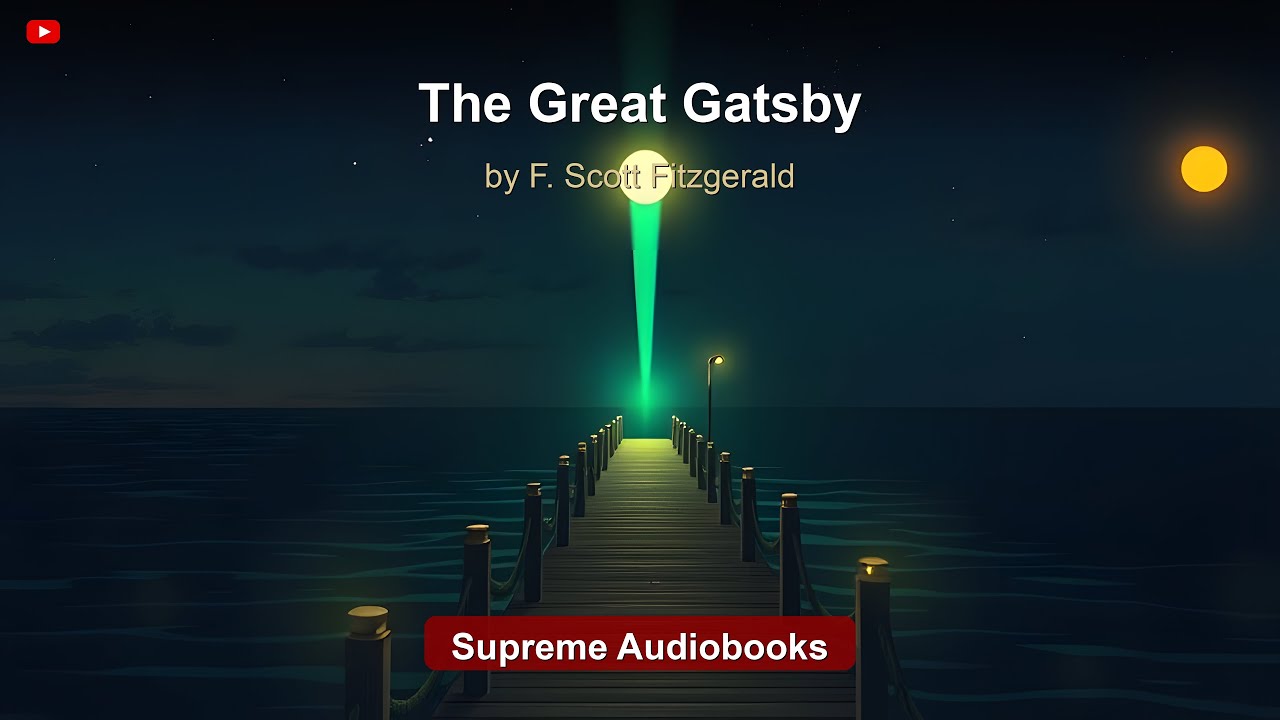
Fitzgerald's masterpiece is often misread as a celebration of wealth and glamour, but it is in fact one of the most savage critiques of American capitalism ever written. The carelessness of Tom and Daisy Buchanan — who destroy lives and retreat into their money without consequence — is a portrait of a class system that protects the powerful and discards everyone else. In audio, the beauty of Fitzgerald's prose makes the ugliness of his subject matter even more disturbing.
Listen Free3. The Picture of Dorian Gray by Oscar Wilde
The Picture of Dorian Gray
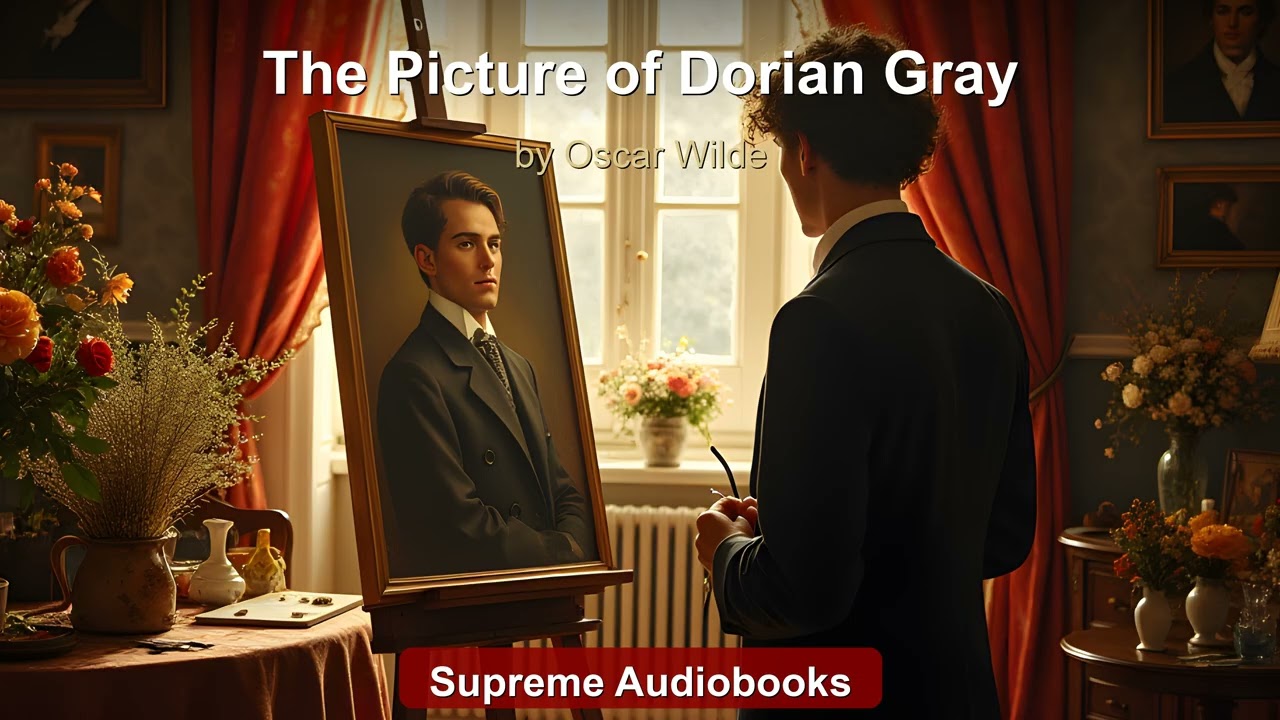
Wilde's novel is a brilliant critique of a society obsessed with surface beauty and moral hypocrisy. Victorian England worshipped appearances while hiding its sins behind closed doors — exactly what Dorian Gray does with his portrait. The novel asks whether a society that values beauty above goodness can survive, and answers with devastating clarity. Wilde's epigrammatic wit makes the medicine go down smoothly, but the diagnosis is brutal.
Listen FreeLiterature as a Force for Change
The power of social commentary literature lies in its ability to create empathy across barriers of class, race, geography, and time. When you listen to Dickens describe Tiny Tim, you feel the injustice of a system that lets children suffer while the wealthy feast. When you hear Fitzgerald describe Gatsby's parties, you sense the emptiness beneath the glitter. When Wilde's Lord Henry delivers his dazzling paradoxes, you recognize the seductive danger of amoral philosophy.
These books do not just entertain — they change how you see the world. And in audio, their power to create empathy is amplified by the intimacy of the human voice speaking directly to you.
Listen and Reflect
All our social commentary audiobooks feature cinematic 4K AI-generated visuals and subtitles in 12 languages, completely free. Discover the books that shaped the conscience of the modern world.