Why Classic Literature Still Matters in 2026
In a hyper-connected world dominated by rapid-fire social media feeds, fleeting trends, and content optimized for minimal attention, it is easy to assume that literature from bygone eras might struggle to hold its ground. Yet, the opposite is proving true. The very forces that fragment our focus and shorten our engagement also amplify the profound value of classic literature. These stories, penned decades or even centuries ago, offer an essential counter-narrative, demanding deeper thought, cultivating richer understanding, and providing anchors in an increasingly fluid cultural landscape. In 2026, classics are not just relevant; they are more vital than ever.
Classics Teach Empathy and Human Connection
One of the most immediate and powerful impacts of engaging with classic literature is its unparalleled ability to foster empathy. When you immerse yourself in the world of a character from a different time or place, you are forced to step outside your own immediate perspective and confront experiences far removed from your daily life. Consider the meticulous social observation in a novel like Pride and Prejudice by Jane Austen. As you follow Elizabeth Bennet's journey through the rigid social structures of Regency England, navigating expectations around marriage, class, and reputation, you gain a visceral understanding of the constraints and pressures faced by women of that era. This isn't just historical fact; it's an emotional resonance that builds your capacity to understand differing motivations and struggles.
The studies are consistent: literary fiction increases "theory of mind"—the cognitive ability to attribute mental states (beliefs, desires, intentions, etc.) to oneself and to others, and to understand that others have beliefs, desires, and intentions that are different from one's own. Think of listening to Victor Hugo's Les Misérables. You witness the plight of Jean Valjean, driven to steal bread, or the tragic life of Fantine. Their decisions, though sometimes morally ambiguous, become understandable within their context of extreme poverty and injustice. This engagement helps us refine our own moral compass and encourages us to look for the humanity in situations far beyond our direct experience. It’s a powerful antidote to the often-simplified narratives presented in today's media, reminding us that every person carries a complex internal world.
They Sharpen Critical Thinking and Intellectual Resilience
Unlike much of the content consumed today, which is designed for immediate gratification and passive absorption, classic literature demands active participation. These books reward careful attention, sustained thought, and a willingness to grapple with complexity. Authors like Edgar Allan Poe in his short stories or Mary Shelley in Frankenstein often present narratives with subtle clues, ambiguous motives, and profound philosophical questions that resist easy answers. They invite you to analyze character motivations, question the narrator's reliability, and consider the broader implications of events.
In an age saturated with information, much of it misleading or overtly biased, the ability to critically evaluate content is paramount. Reading classics helps hone this skill. When you engage with a novel like Joseph Conrad's Heart of Darkness, you are not simply reading a story; you are wrestling with themes of colonialism, morality, and the nature of civilization. The text does not provide neat conclusions; instead, it forces you to weigh evidence, consider multiple perspectives, and draw your own informed judgments. This practice of slowing down, dissecting complex ideas, and forming independent conclusions is a powerful form of mental training, preparing you to navigate the intricate information landscape of the 21st century with greater intellectual resilience.
Classics Connect Us Across Time and Culture
One of the most remarkable aspects of classic literature is its capacity to create a shared cultural vocabulary that transcends generations and geographical boundaries. When you encounter a phrase from William Shakespeare – perhaps a line from Hamlet or Romeo and Juliet – you are not just reading old English; you are engaging with ideas, emotions, and linguistic patterns that have shaped centuries of human thought and expression. These works become benchmarks, references that pop up in modern films, television shows, and even everyday conversations, creating a sense of continuity in an often-disjointed world.
Think about the universal themes explored in Homer's The Odyssey: homecoming, perseverance, temptation, and the nature of heroism. These are not relics of ancient Greece; they are foundational human experiences that resonate with anyone who has ever faced a long journey, overcome adversity, or longed for a return to what they know. The shared experience of reading or listening to these stories creates a common ground, fostering discussions and understandings that bridge the gaps between different eras and diverse cultures. It reminds us that despite technological advancements and societal shifts, core human desires, fears, and triumphs remain remarkably consistent, offering comfort and perspective in times of rapid change.
They Offer Timeless Wisdom and Philosophical Insight
Beyond entertainment, classics serve as profound reservoirs of wisdom, offering frameworks for understanding life's most enduring questions. They invite us to ponder existence, morality, justice, and the complexities of the human condition. Fyodor Dostoevsky’s Crime and Punishment, for instance, delves deep into the psychology of guilt, redemption, and the consequences of moral transgression. It's not merely a suspenseful narrative; it's a profound examination of philosophy and the human soul, challenging us to consider our own ethical boundaries and beliefs.
Similarly, Henry David Thoreau's Walden, a century and a half after its publication, speaks directly to modern anxieties about consumerism, work-life balance, and the search for authentic living. Thoreau's experiment in simple living and self-reliance offers a powerful counter-narrative to our technologically driven, often consumerist society. These texts don't just tell stories; they articulate philosophical viewpoints, offering lenses through which we can better understand ourselves and the world around us. They provide mental models and language for thoughts we may have felt but never quite expressed, helping us to articulate our own values and navigate contemporary dilemmas with greater clarity.
Classics Enhance Language and Communication Skills
In an era where communication is often reduced to acronyms, emojis, and truncated phrases, exposure to the rich, nuanced language of classic literature is an invaluable asset. Authors like Charles Dickens (consider the vivid descriptions in A Christmas Carol or Great Expectations) or the sophisticated prose of Edith Wharton (as seen in The Age of Innocence) provide a masterclass in linguistic precision, evocative imagery, and effective storytelling. Engaging with such works naturally expands one’s vocabulary, refines grammatical understanding, and cultivates an appreciation for the power and beauty of well-constructed sentences.
The benefits extend far beyond academic improvement. A strong command of language enhances critical thinking, allowing for more precise articulation of thoughts and arguments. It improves written and verbal communication, making one a more persuasive speaker, a clearer writer, and a more engaged listener. In professional settings, this translates into more effective presentations, better-written reports, and more articulate discussions. In personal life, it enriches conversations and deepens the ability to express complex emotions and ideas. Classics don't just entertain; they equip us with the linguistic tools necessary to navigate and influence our world more effectively.
A Refuge from the Noise: Mindfulness and Sustained Attention
Perhaps one of the most underrated values of classic literature in 2026 is its role as a sanctuary from constant digital bombardment. The act of listening to a well-narrated audiobook of a classic novel requires sustained attention and patience. Unlike the rapid-fire scroll of social media or the quick cuts of short videos, a classic demands that you slow down, allow ideas to marinate, and fully absorb the narrative at a deliberate pace. This sustained engagement is, in itself, a form of mindfulness.
In a world designed to constantly interrupt and redirect our focus, dedicating time to a long-form story becomes an act of quiet rebellion. It trains our brains to maintain concentration, to follow complex plotlines, and to hold multiple threads of thought simultaneously—skills that are increasingly scarce but incredibly valuable. This sustained mental exercise can be deeply relaxing and mentally restorative, providing a genuine break from the pervasive noise and frantic pace of modern life. It offers a unique space for reflection, introspection, and the kind of deep thinking that is often crowded out by immediate demands.
Start Listening Today
In a world of 15-second videos and AI-generated content, it might seem like classic literature has lost its relevance. But the opposite is true. The same forces that make our attention spans shrink are the ones that make classics more valuable than ever. Here is why literature written decades or even centuries ago still matters profoundly in 2026.
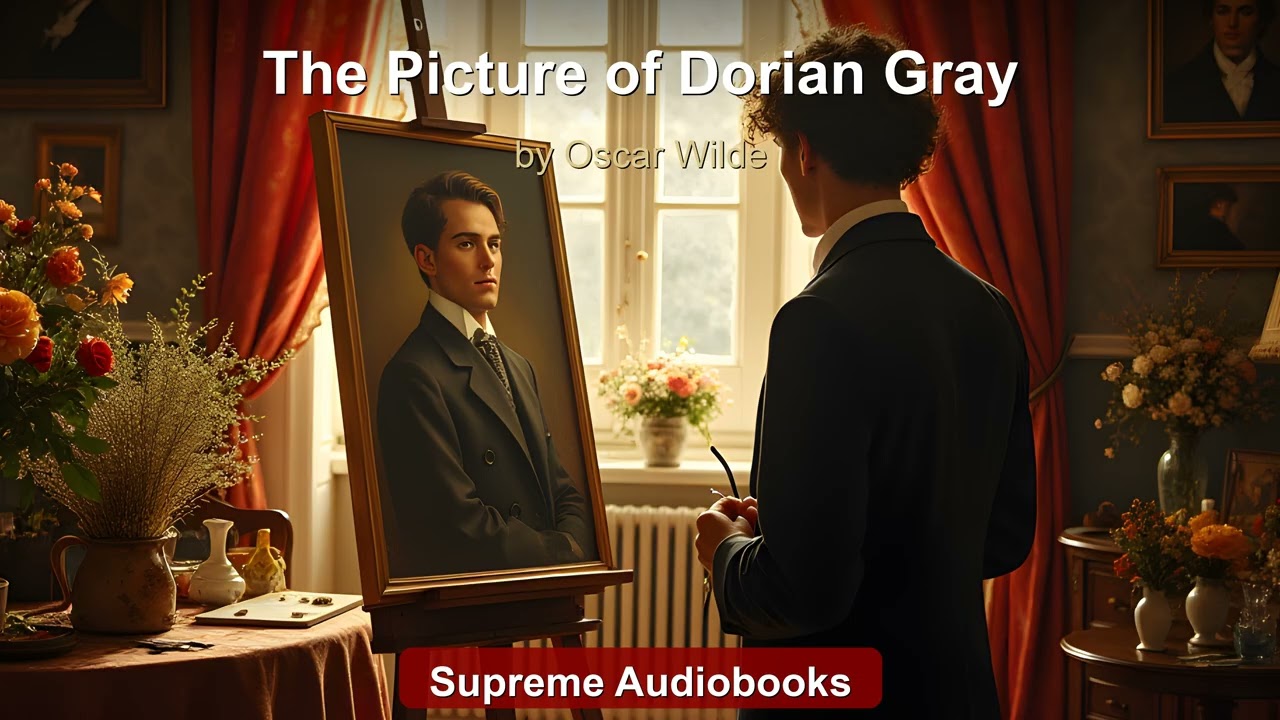
The Picture of Dorian Gray
Wilde's meditation on beauty, art, and morality is as relevant today as it was in 1890. In an age of Instagram filters and AI-enhanced selfies, Dorian's bargain feels eerily prescient.
Listen Free
The Sun Also Rises
Hemingway's portrait of a lost generation searching for meaning after trauma speaks directly to our post-pandemic world. The questions he raised in 1926 are the same ones we ask a century later.
Listen FreeAt Supreme Audiobooks, we believe classic literature belongs to everyone. That is why every title is free, presented in cinematic 4K quality with subtitles in 12 languages. The stories that shaped civilization are waiting for you.