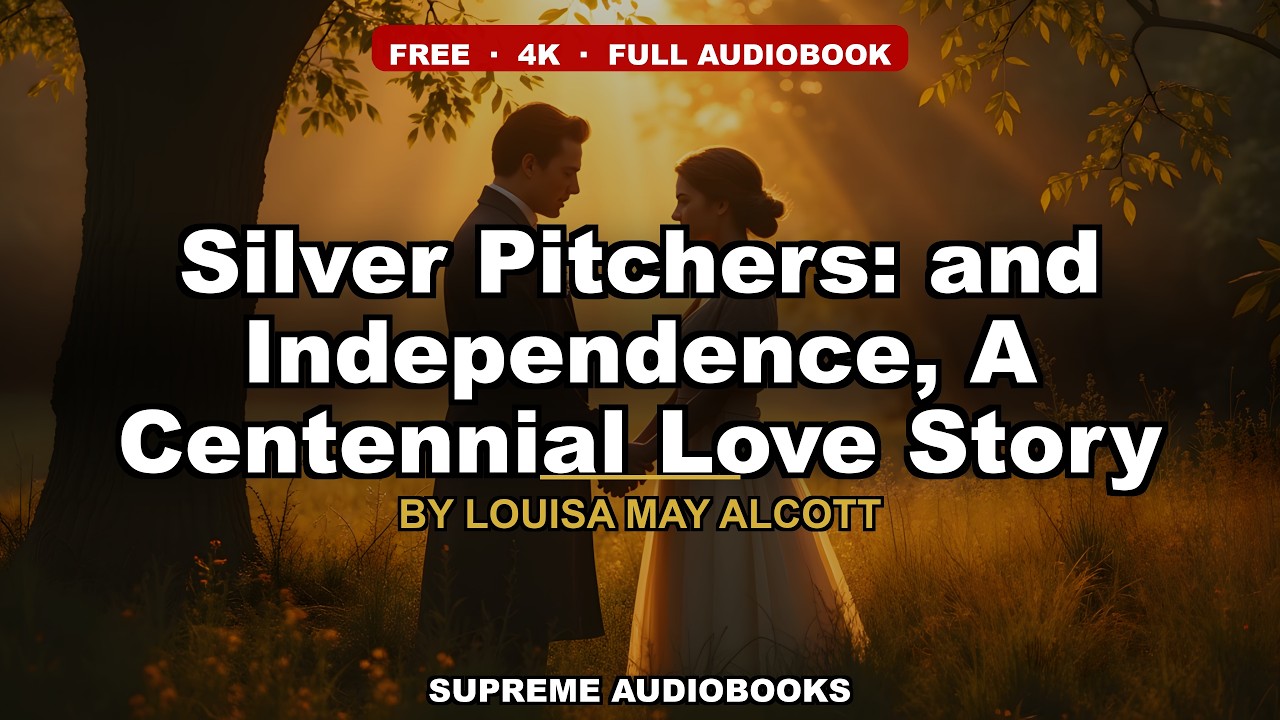
Silver Pitchers: and Independence, A Centennial Love Story
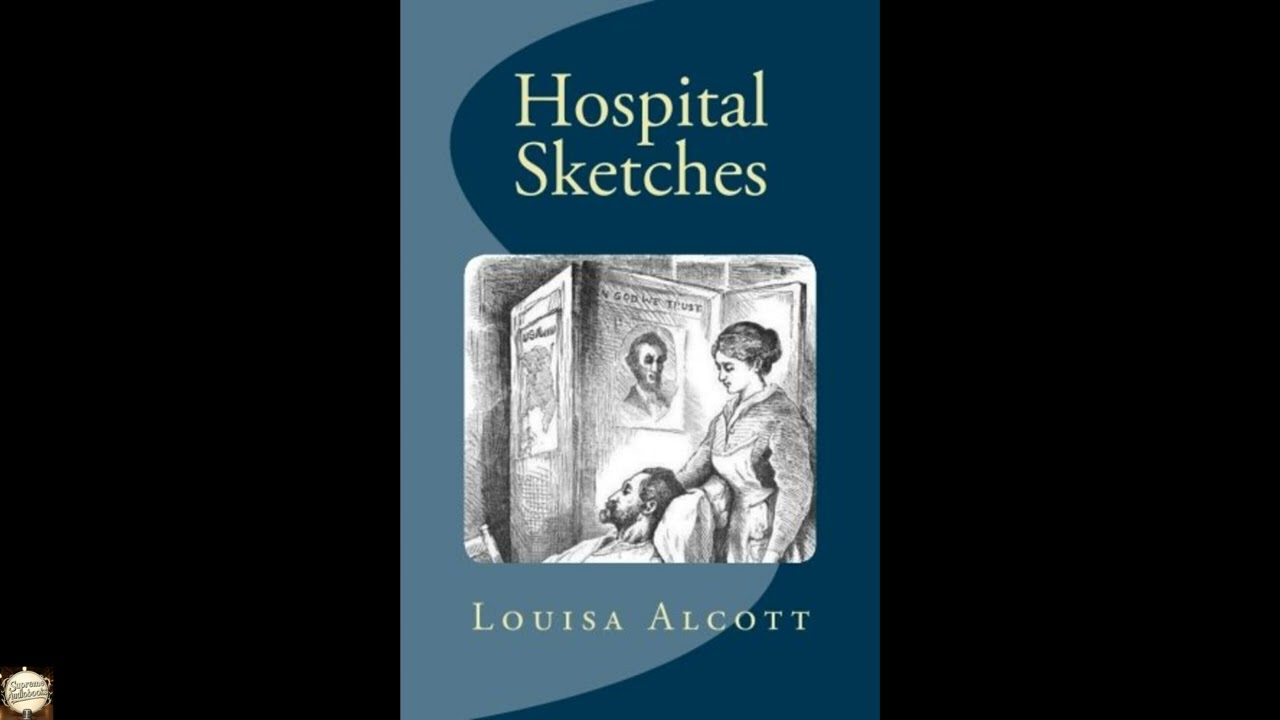
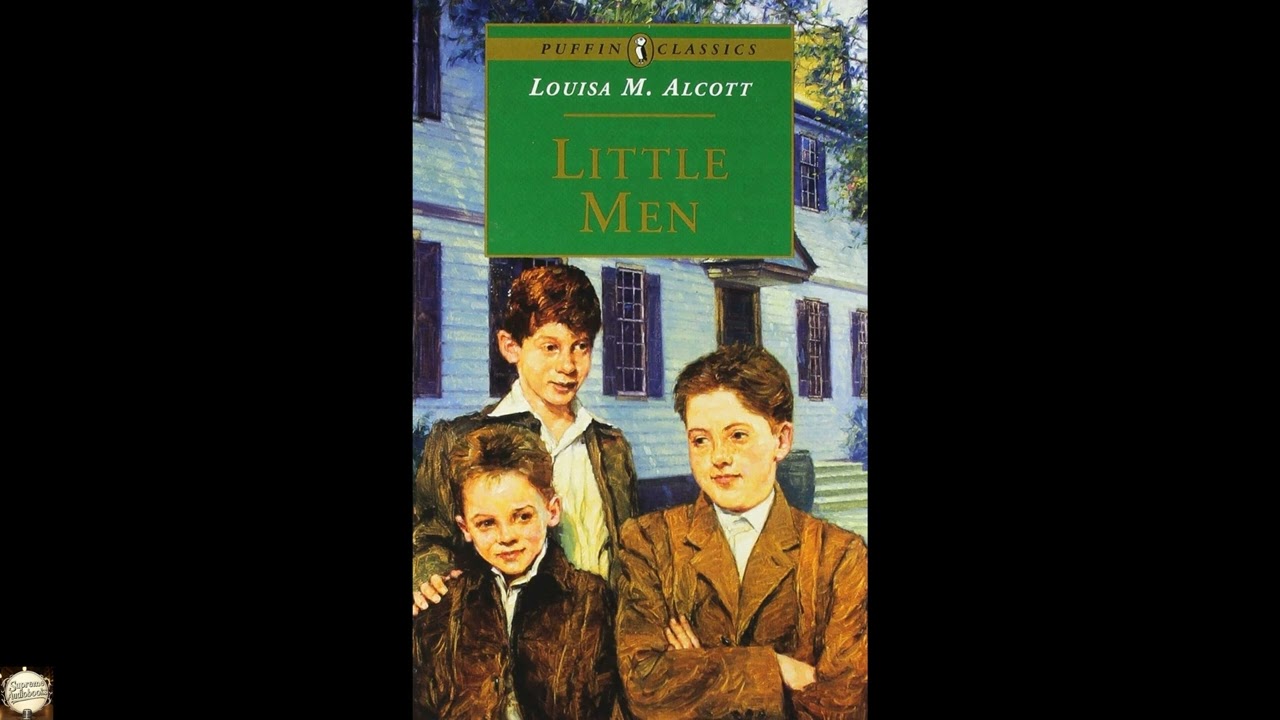
Step into a world where fierce independence and the enduring search for love intertwine, guided by the inimitable voice of Louisa May Alcott. This audiobook, Silver Pitchers: and Independence, A Centennial Love Story, presents a collection of romantic narratives that resonate with the spirited aspirations of young women seeking their place in a rapidly changing world. Why should this collection capture your attention today? Because Alcott, even in her lesser-known pieces, consistently champions intelligence, moral fortitude, and the courage to defy societal constraints—ideals that remain profoundly relevant in our own century. Here, her keen observations on the human heart and the struggle for autonomy are as compelling and instructive as ever, offering comfort and inspiration through stories that celebrate self-discovery alongside the complexities of affection. The stories gathered within Silver Pitchers: and Independence, A Centennial Love Story transport listeners to the heart of late nineteenth-century America, a time of both earnest tradition and burgeoning modernity. Imagine New England drawing rooms and country estates, bustling city streets and quiet academic circles, forming the backdrop for Alcott’s spirited protagonists. In tales like "Silver Pitchers," a young woman might find herself unexpectedly responsible for a family legacy—perhaps an ancestral home or a declining business—and must use her wit, determination, and practical skills to secure its future and, by extension, her own. She faces not only financial hurdles but also the subtle pressures of a society that often prefers a woman to marry well rather than manage affairs of her own making. Her struggle for solvency becomes a fight for self-respect, complicated by the presence of a charming but potentially disruptive suitor whose values may clash with her own burgeoning sense of self-worth. "Independence, A Centennial Love Story" likely shifts its focus to the cultural excitement surrounding America’s centennial celebration in 1876, weaving the national spirit of freedom and self-determination into a personal romantic narrative. Picture a young woman, perhaps an aspiring writer, artist, or activist, attending the grand exhibitions and patriotic gatherings of the era. She champions progressive ideals for her time, longing for a partnership based on intellectual equality and mutual respect, rather than mere social standing or economic security. Her central conflict might involve choosing between a conventional, outwardly appealing match who stifles her ambitions and a less obvious suitor who truly understands and encourages her independent spirit. The arc of these stories typically follows the heroine’s journey from societal expectation to personal conviction, often culminating not just in romantic fulfillment, but in a profound assertion of her individual will and identity, always without revealing the specific final choice or twist that awaits her. Louisa May Alcott (1832-1888) stands as one of America's most beloved and enduring authors, a figure whose personal life was as rich and unconventional as the tales she spun. Born in Germantown, Pennsylvania, and raised primarily in Concord, Massachusetts, Alcott was the daughter of the transcendentalist philosopher Amos Bronson Alcott and Abigail May. Her childhood was marked by financial instability but surrounded by intellectual giants like Ralph Waldo Emerson and Henry David Thoreau, who were family friends and neighbors. This unique upbringing profoundly shaped her independent spirit and progressive worldview, instilling in her a deep commitment to social reform and an astute understanding of human nature. Alcott's early life saw her work as a teacher, governess, and seamstress to support her family, all while quietly honing her writing craft. Her experiences as a nurse during the Civil War provided the basis for her acclaimed Hospital Sketches, which brought her initial public recognition. However, it was the overwhelming success of Little Women in 1868, a semi-autobiographical novel inspired by her own sisters and her desire for a more active, less constrained female life, that catapulted her to international fame. She followed this with sequels like Little Men and Jo's Boys, along with other popular works such as An Old-Fashioned Girl and Eight Cousins, establishing her place in American letters as a chronicler of domestic life infused with progressive ideals for girls and women. The stories in Silver Pitchers: and Independence skillfully enact several core themes characteristic of Alcott’s writing. First, the crucial theme of female independence and autonomy shines through. Listeners will encounter young women who consistently prioritize self-sufficiency and intellectual growth, often grappling with the era's limited opportunities for women. For instance, a heroine might choose to pursue a challenging profession or take charge of her family’s finances rather than marry for convenience, demonstrating that true happiness stems from self-respect and the freedom to define one's own path. Second, Alcott consistently examines the complexities of love and marriage, often challenging the conventional romantic narratives of her time. Her characters rarely fall for the most outwardly dashing suitor; instead, they seek partners who respect their intellect and support their aspirations, showing that genuine affection is rooted in shared values and mutual encouragement, rather than societal expectations of status or wealth. A third prominent theme is the balance between duty and desire. Alcott’s protagonists frequently face moral dilemmas, where personal longings clash with obligations to family, community, or even deeply ingrained moral principles. One might find a character making significant sacrifices for her siblings or for a cause she believes in, only to discover that these acts of duty ultimately lead her towards a more profound understanding of her own desires and limitations. Finally, the subtle undercurrent of social class and aspiration is present. While often set in the middle class, Alcott's stories quietly address the economic realities that shape her characters' choices, showcasing how financial stability (or its absence) can influence decisions about marriage, career, and personal freedom. These themes together paint a nuanced picture of women striving for selfhood in a world undergoing significant change. Alcott was writing during a pivotal period in American history, primarily the post-Civil War era, from the late 1860s through the 1880s. This was a time of immense cultural and political transformation. The nation was grappling with Reconstruction, rapid industrialization, and significant shifts in societal norms. Crucially, the women's rights movement was gaining momentum, with discussions around suffrage, educational opportunities for women, and their expanding roles beyond the domestic sphere becoming increasingly prominent. The "Cult of Domesticity," which idealized women primarily as homemakers and moral guardians, was still powerful, but it was being actively challenged by trailblazing women and thinkers who advocated for greater autonomy and public participation. In the literary world, the sentimental fiction that dominated earlier decades was gradually giving way to the rise of realism, although Alcott skillfully bridged both worlds, infusing her often sentimental stories with strong, realistic characters and progressive ideas. She wrote for a vast readership hungry for stories that reflected their lives, but she subtly infused her narratives with her own transcendentalist ideals and a forward-thinking perspective on women's capabilities. The specific mention of "Centennial Love Story" places one of these narratives squarely in 1876, a year of national introspection and celebration of American independence. This context allowed Alcott to tie personal freedom to national identity, giving her heroines' struggles for self-determination a deeper, symbolic resonance with the broader American spirit. Listening to Silver Pitchers: and Independence, A Centennial Love Story as an audiobook offers a unique opportunity to immerse yourself in Alcott's world. The spoken word breathes new life into her carefully crafted dialogues and vivid descriptions, allowing the nuances of her characters' emotions and the period's atmosphere to truly unfold. The near ten-hour running length makes it an ideal companion for extended commutes, long walks, or quiet evenings at home, providing a substantial and rewarding listening experience. Pay close attention to the pacing, which often mirrors the gentle but determined flow of Alcott's narratives—moments of quiet reflection are punctuated by lively exchanges and significant character developments. A skilled narrator can distinguish the distinct voices of Alcott's diverse cast, from earnest heroines to opinionated aunts and charming but complex gentlemen, enhancing the drama and humor embedded in the conversations. The atmospheric details of the New England landscape or the societal bustle of city life become more palpable, drawing you deeper into stories that feel both historically specific and universally true to the human spirit.
Enjoyed Silver Pitchers: and Independence, A Centennial Love Story? A few ways to support us
Audible & Amazon links are affiliate; we may earn a small commission at no extra cost.
About this production
Human narration by a volunteer reader from LibriVox.org, the public-domain audiobook project. LibriVox volunteers record literary works whose copyright has expired in the United States, releasing the resulting recordings into the public domain.
Silver Pitchers: and Independence, A Centennial Love Story, first published in 2023 by Louisa May Alcott. The underlying text is in the U.S. public domain. We do not republish any modern copyrighted edition, translation, or commentary.
The 4K cinematic visuals accompanying this audiobook are generated by an AI image model from prompts derived from the source text. No copyrighted photos, paintings, or stock footage are used. AI generation is disclosed on every video on our YouTube channel as required by YouTube's altered/synthetic content policy.
English subtitles are transcribed from the LibriVox recording with OpenAI Whisper. Translations into the 11 other supported languages are produced by Meta's NLLB-200 neural translation model. No human translator's copyrighted translation is used.
Questions about sourcing or rights? See our DMCA & Sourcing policy or contact us.
Enjoyed this audiobook?
If you'd like to own a copy of Silver Pitchers: and Independence, A Centennial Love Story or hear a professionally produced edition, the links below help support free audiobook production at no extra cost to you.
As an Amazon Associate we earn from qualifying purchases. Audible / print links are affiliate.