About Robert Louis Stevenson
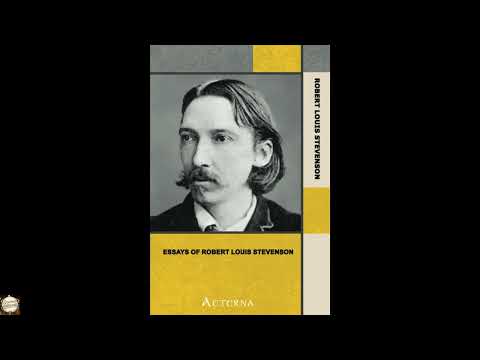
The annals of Victorian literature hold few figures as adventurous and imaginative as Robert Louis Stevenson, born on November 13, 1850, in Edinburgh, Scotland. Despite a life often curtailed by illness, he pursued a career defined by restless movement and prodigious output, eventually dying far from his homeland on December 3, 1894, in Vailima, Upolu, Samoa.
Stevenson’s childhood was marked by chronic respiratory ailments that kept him often confined, but also nurtured a vivid imagination. He spent many hours listening to stories from his nurse, Alison Cunningham, who would read him tales of adventure and wonder. His father, Thomas Stevenson, was a prominent lighthouse engineer, a profession young Robert was initially expected to follow. He attended Edinburgh University, initially studying engineering, then law, but his true passion lay elsewhere, leading him to frequent bohemian literary circles rather than the courtroom.
From his earliest years, Stevenson harbored an ambition to write, honing his craft by imitating the styles of various authors he admired. He entered a publishing world keen for both serialized fiction and travel writing. His first significant popular success came with *Treasure Island*, published in 1883, initially serialized in a children's magazine under the pseudonym 'Captain George North.' This thrilling tale of pirates and buried treasure captivated readers young and old, firmly establishing his reputation as a storyteller of the first rank.
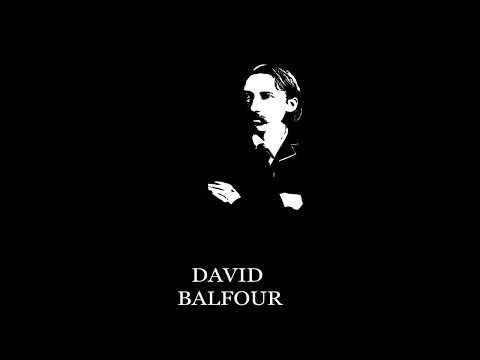
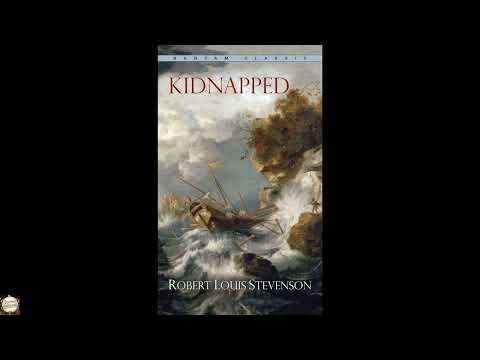
Stevenson solidified his fame with a series of acclaimed works. *Kidnapped* follows young David Balfour through peril and intrigue across 18th-century Scotland. His psychological novella, *The Strange Case of Dr. Jekyll and Mr. Hyde*, investigates the terrifying duality of human nature through a respected doctor’s dark transformation. *A Child's Garden of Verses* offers a delightful collection of poems seen through the eyes of a child, while *The Master of Ballantrae* details a generations-long feud between two Scottish brothers driven by pride and hatred. These works demonstrate his breadth, from thrilling adventure to probing character studies.
Throughout his diverse writings, Stevenson consistently deployed a clear, evocative prose style, creating palpable atmospheres and unforgettable characters. His narratives often grapple with the inherent tension between civilization and primal instinct, or the complex interplay of good and evil residing within a single individual. For example, in *The Strange Case of Dr. Jekyll and Mr. Hyde*, the upright Dr. Jekyll consciously creates Mr. Hyde, a monstrous alter ego, directly illustrating Stevenson’s fascination with humanity’s divided self and the moral consequences of unleashing dark impulses. He also frequently presented themes of loyalty, betrayal, and the intoxicating call of freedom against societal constraint.
Stevenson's contributions helped shape the landscape of late Victorian literature, breathing new life into the adventure novel and elevating it with psychological depth. He inspired countless writers, from Joseph Conrad and Rudyard Kipling to Graham Greene and Jorge Luis Borges, many of whom admired his superb command of narrative and prose. His work continues to resonate, informing popular culture and inspiring new interpretations, proving his enduring appeal as a master craftsman of story.
More than a century after his passing, his powerful stories, presented through the spoken word, continue to transport new listeners to distant lands and inner worlds.
More on Wikipedia →