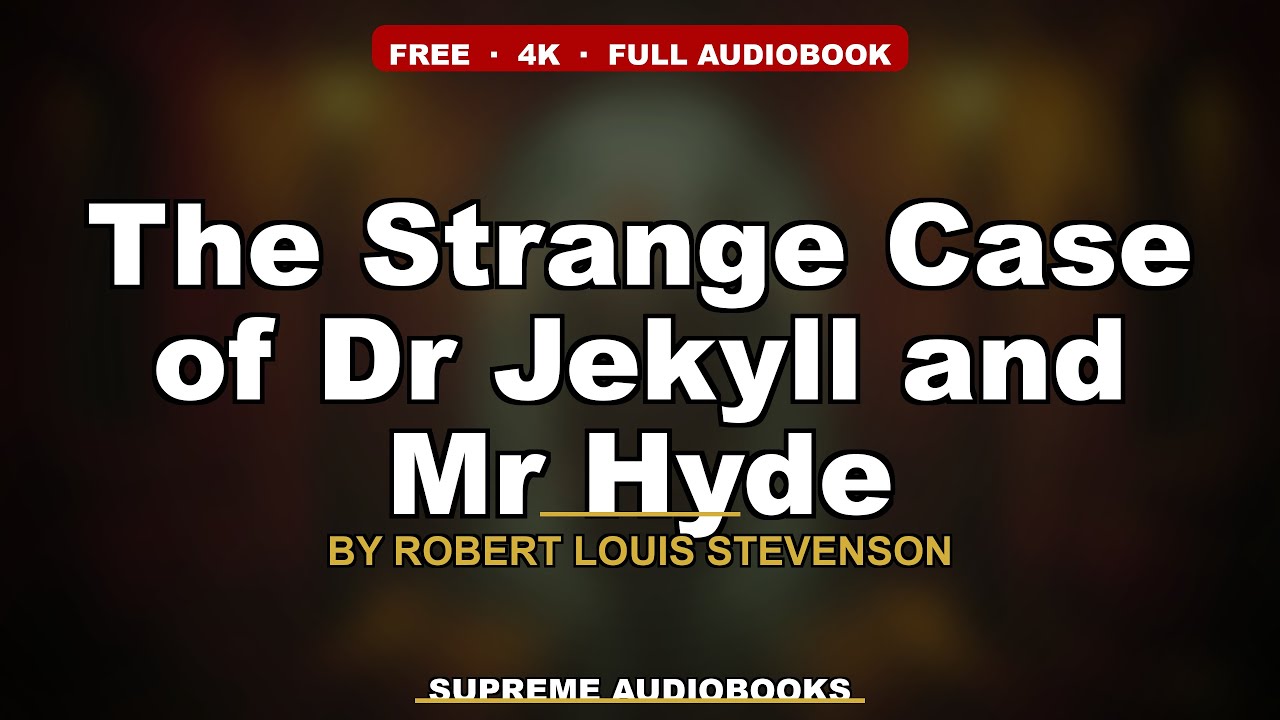
The Strange Case of Dr Jekyll and Mr Hyde
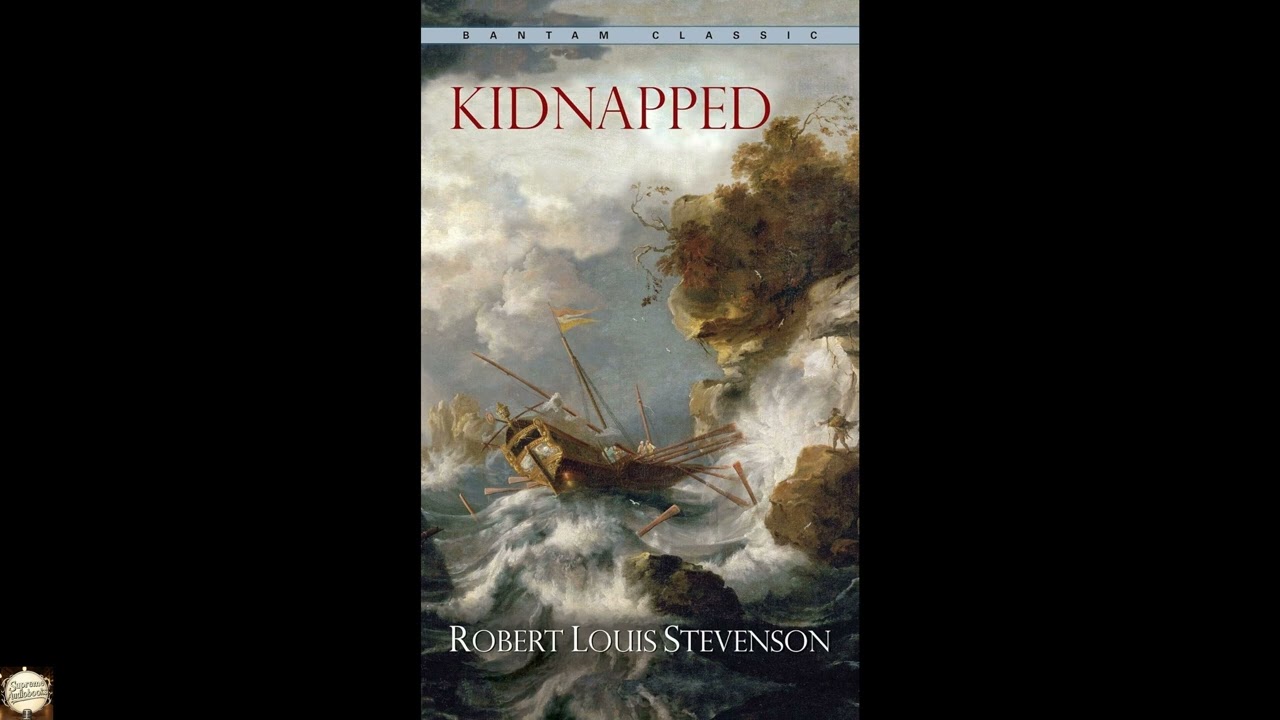
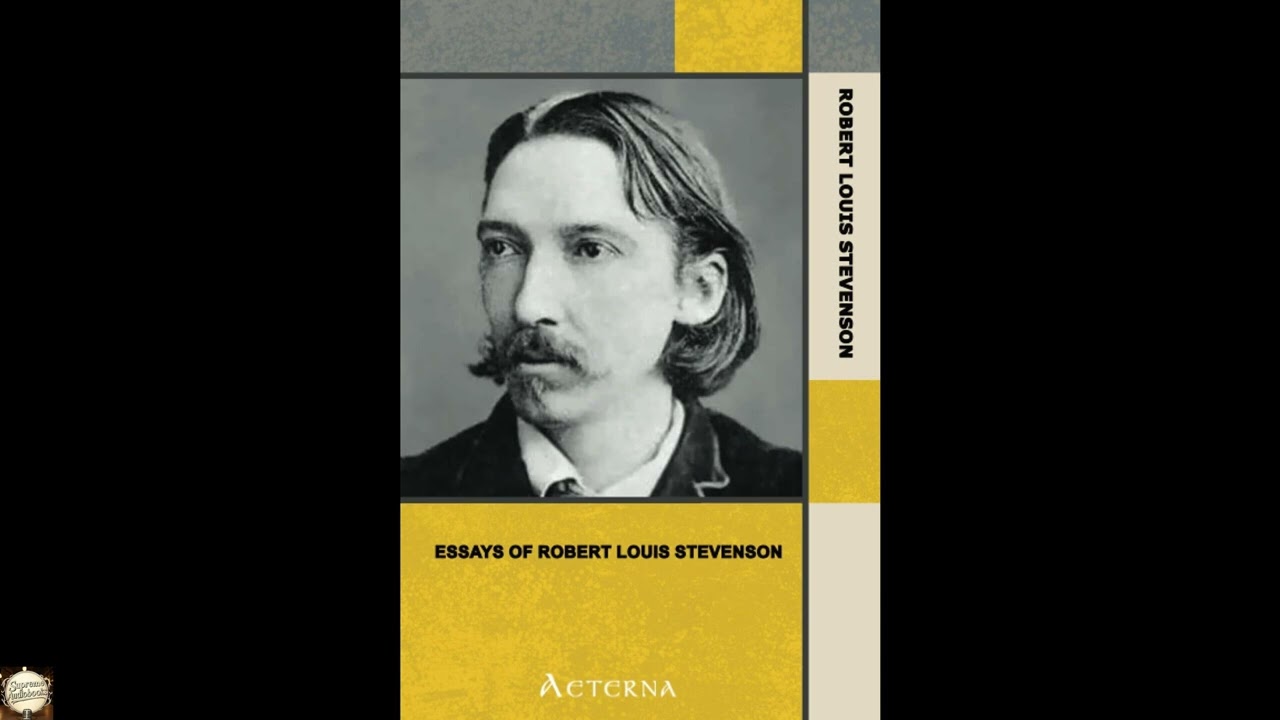
What if the darkest parts of human nature, those impulses we repress and hide from polite society, could be given a tangible form? What if the struggle between good and evil, played out within every soul, became a terrifying, literal battle for control? Robert Louis Stevenson’s The Strange Case of Dr Jekyll and Mr Hyde, first published in 1886, asks these unsettling questions and answers them with a chilling narrative that has seeped into the very fabric of our language and understanding of psychology. More than a simple tale of terror, it is a profound examination of identity, morality, and the perilous cost of denying one's true self, making it as relevant today as it was in the gaslit streets of Victorian London. The story unfurls through the eyes of Mr. Gabriel John Utterson, a reserved and respectable London lawyer, whose methodical life is disrupted by a growing concern for his old friend, the distinguished Dr. Henry Jekyll. Utterson learns of a peculiar clause in Jekyll’s will, which names a repulsive and malevolent stranger named Mr. Edward Hyde as the sole heir. This Hyde is a creature of pure malice, whose very presence inspires disgust and fear in all who encounter him. He is described with an unsettling ambiguity, often noted for being simply "ugly" or "deformed" without concrete detail, leaving his monstrousness to the imagination. His early appearances involve acts of casual brutality, such as trampling a young girl without a shred of remorse, hinting at a deeper, more primal evil. As Utterson investigates, he uncovers a web of increasingly disturbing connections between the respected doctor and the repugnant Hyde. Jekyll, initially dismissive of Utterson's concerns, soon becomes withdrawn, tormented, and visibly distressed. The doctor’s once open house grows quiet, his once jovial demeanor replaced by a haunted pallor. The mystery deepens further with the brutal murder of a prominent Member of Parliament, Sir Danvers Carew, a crime witnessed by a maid who describes the perpetrator as none other than Mr. Hyde. The discovery of evidence linking Hyde to Jekyll's belongings sends Utterson into a desperate quest for answers, as he grapples with the inexplicable connection between a man of science and a monstrous killer, all while Jekyll’s behavior becomes increasingly erratic and despairing. Robert Louis Stevenson, the author of this haunting novella, was born in Edinburgh, Scotland, in 1850. Despite a lifelong struggle with poor health, particularly respiratory ailments that necessitated extensive travel in search of warmer climates, Stevenson cultivated a prolific literary career. His early life in Edinburgh, marked by a strong Calvinist upbringing and the constant presence of illness, deeply influenced his perspective on morality and the fragility of existence. Though trained as a lawyer, he quickly turned to writing, finding his true calling in storytelling. Stevenson’s adventurous spirit, fueled by his health-driven travels, led him to France, the United States, and eventually, the South Pacific, where he spent his final years and was known affectionately as "Tusitala" or "Teller of Tales." He is best known for a string of enduring popular novels, including the swashbuckling pirate adventure Treasure Island (1883) and the historical romance Kidnapped (1886), published in the same year as Dr Jekyll and Mr Hyde. He belonged to a literary movement often termed Neo-romanticism, which sought to rekindle the imaginative fervor and adventurous spirit of earlier Romantic writers, often against the backdrop of Victorian realism. Stevenson died in Samoa in 1894, leaving behind a legacy of works that captivated generations of readers. At its core, The Strange Case of Dr Jekyll and Mr Hyde is a stark dramatization of the duality of human nature. Dr. Jekyll, a man of intellect and good intentions, believes he can separate his better self from his baser impulses, allowing each to exist independently. However, his experiment tragically proves that these two sides are inextricably linked, and that suppressing one only empowers the other. Hyde is not merely an evil twin, but the embodiment of Jekyll's unrestrained vices, showing how the desire for respectability can paradoxically unleash the monstrous within. His malevolent acts, from the seemingly minor trampling of a child to the brutal murder of Sir Danvers Carew, illustrate the escalating danger of giving free rein to unchecked impulses, even if they are initially intended as a private outlet. Another potent theme is the profound danger of repression and the subconscious. Victorian society, with its rigid moral codes and emphasis on outward respectability, demanded that individuals conform to strict norms, often at the cost of denying natural human desires and impulses. Jekyll’s creation of Hyde can be seen as a desperate attempt to reconcile his secret indulgences with his public image as a virtuous physician. The more Jekyll attempts to suppress Hyde, the stronger and more dominant Hyde becomes, suggesting that what is driven underground will inevitably resurface, often in a more violent and uncontrollable form. The novella thus functions as a powerful psychological allegory, foreshadowing later theories about the unconscious mind and the profound impact of denying one’s true self. The late Victorian era, the period in which The Strange Case of Dr Jekyll and Mr Hyde emerged, was a time of immense social and intellectual upheaval. London, with its burgeoning population, labyrinthine streets, and stark contrasts between opulent wealth and abject poverty, provided the perfect setting for a tale of hidden darkness. The city itself becomes a character, its perpetual fog and gaslit alleys mirroring the moral ambiguity and obscured truths of the narrative. Scientific advancements, particularly in chemistry and medicine, were rapidly changing the world, but they also provoked anxieties about the ethical boundaries of human knowledge and experimentation, themes clearly reflected in Jekyll’s dangerous research. Furthermore, the novella taps into a growing cultural unease regarding crime, deviance, and the unknown within the urban landscape. Sensationalist newspaper reports of the time often fueled fears of hidden dangers lurking beneath the veneer of Victorian respectability. While published a couple of years before the notorious Jack the Ripper murders gripped London, Stevenson’s work perfectly captures the atmospheric dread and moral panic associated with a hidden, malevolent force operating in the city’s shadows, making it a compelling cultural artifact of its time. The very atmosphere of Stevenson's London — shrouded in perpetual fog and moral ambiguity — finds its ideal medium in an audiobook. At just under three hours, this compact narrative is perfectly suited for a single, immersive listen, perhaps on a dark evening, or spread across a few commutes. A skilled narrator can bring to life the distinct voices of its characters: the measured, often somber tones of Mr. Utterson; the respectable, yet increasingly tormented inflections of Dr. Jekyll; and, most crucially, the chilling, guttural snarls and unsettling presence of Mr. Hyde. The spoken word allows the listener to fully absorb the story's mounting suspense, the detailed descriptions of the city’s grim beauty, and the psychological torment that underpins every word, creating an experience that is both intimate and deeply unsettling, pulling you directly into the heart of Jekyll’s terrifying secret.
Enjoyed The Strange Case of Dr Jekyll and Mr Hyde? A few ways to support us
Audible & Amazon links are affiliate; we may earn a small commission at no extra cost.
About this production
Human narration by a volunteer reader from LibriVox.org, the public-domain audiobook project. LibriVox volunteers record literary works whose copyright has expired in the United States, releasing the resulting recordings into the public domain.
The Strange Case of Dr Jekyll and Mr Hyde, first published in 1886 by Robert Louis Stevenson. The underlying text is in the U.S. public domain. We do not republish any modern copyrighted edition, translation, or commentary.
The 4K cinematic visuals accompanying this audiobook are generated by an AI image model from prompts derived from the source text. No copyrighted photos, paintings, or stock footage are used. AI generation is disclosed on every video on our YouTube channel as required by YouTube's altered/synthetic content policy.
English subtitles are transcribed from the LibriVox recording with OpenAI Whisper. Translations into the 11 other supported languages are produced by Meta's NLLB-200 neural translation model. No human translator's copyrighted translation is used.
Questions about sourcing or rights? See our DMCA & Sourcing policy or contact us.
Enjoyed this audiobook?
If you'd like to own a copy of The Strange Case of Dr Jekyll and Mr Hyde or hear a professionally produced edition, the links below help support free audiobook production at no extra cost to you.
As an Amazon Associate we earn from qualifying purchases. Audible / print links are affiliate.