About Gilbert Parker
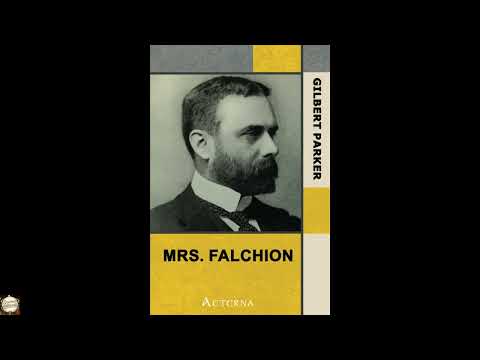
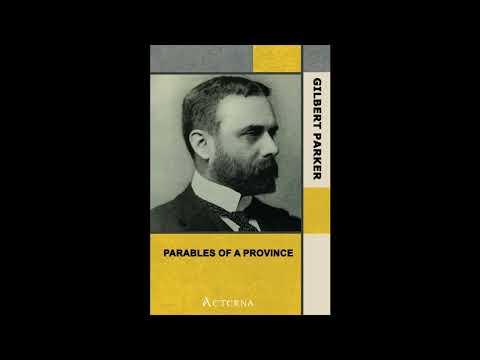
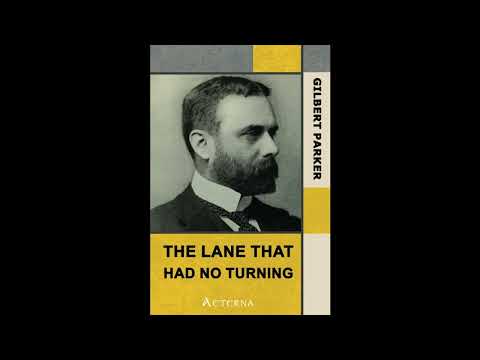
Among the authors who shaped early Canadian literature and Victorian-Edwardian popular fiction stands Horatio Gilbert Parker. Born in Camden East, Ontario, in 1862, he left a lasting mark on both Canadian and international letters before his passing in London, England, in 1932. He received his education at Trinity College, Toronto, and later taught history and literature there, a background that informed his narrative sense and keen interest in human drama. Before settling into writing full-time, he served as editor of the *Sydney Morning Herald* in Australia, an experience that broadened his perspective on the vast British Empire.
His move to London in 1889 marked the turning point towards a dedicated literary career. He entered a publishing world eager for tales of adventure, romance, and the exotic locales of the empire. Parker swiftly found his unique voice by focusing on the Canadian North, an almost mythical land of rugged beauty and moral complexity for many European readers. His collection, *Pierre and His People: Tales of the Far North*, published in 1892, quickly established his reputation and became his first significant work, popularizing stories of Métis hunters and French Canadian settlers.
Parker produced a prodigious output, with titles that brought the vast Canadian landscape and its characters to life for a global audience. *Pierre and His People: Tales of the Far North* captured the struggles and spirit of the remote wilderness; *The Seats of the Mighty* recounted a dramatic episode during the British conquest of Quebec; *The Right of Way* followed a disgraced lawyer seeking redemption in a humble Quebec village; *Northern Lights* offered more compelling narratives from the Arctic frontier; and *The Money Master* chronicled a French Canadian farmer’s complex life. Each novel or story collection showcased his talent for vivid description and compelling human drama.
Recurring across Parker’s writing are themes of moral fortitude, the clash of cultures, and the profound influence of environment on character. He often positioned his protagonists at crossroads, forcing them to confront personal flaws or societal injustices against the backdrop of challenging landscapes. His style blends romanticism with realistic detail, creating settings that feel both grand and intimately observed. For instance, in *The Right of Way*, the severe beauty of the Quebec landscape acts as a crucible for the protagonist Charley Steele, mirroring his internal purgatorial struggle and eventual rebirth through service to others. Parker’s prose painted the Canadian wilderness not merely as scenery, but as an active force shaping destinies.
Parker was a towering figure in the era of imperial romance, bringing Canadian subjects into the mainstream of English literature. He helped define a popular image of Canada as a land of heroic endeavor, natural grandeur, and diverse cultures, playing a crucial role in the development of Canadian fiction. While his portrayals sometimes reflected the colonial sensibilities of his time, his work undeniably opened windows onto the lives of French Canadians, Indigenous peoples, and adventurers for millions of readers. His popular appeal and the vividness of his settings certainly paved the way for later writers who would continue to define the unique literary voice of Canada. His stories persist as vital examples of late Victorian and Edwardian adventure fiction.
Today, listening to his stories provides a direct link to a past era, inviting listeners to experience the struggles and triumphs that animated the hearts of characters facing the wilds of Canada and the complexities of human nature.
More on Wikipedia →