Strange Case of Dr Jekyll and Mr Hyde
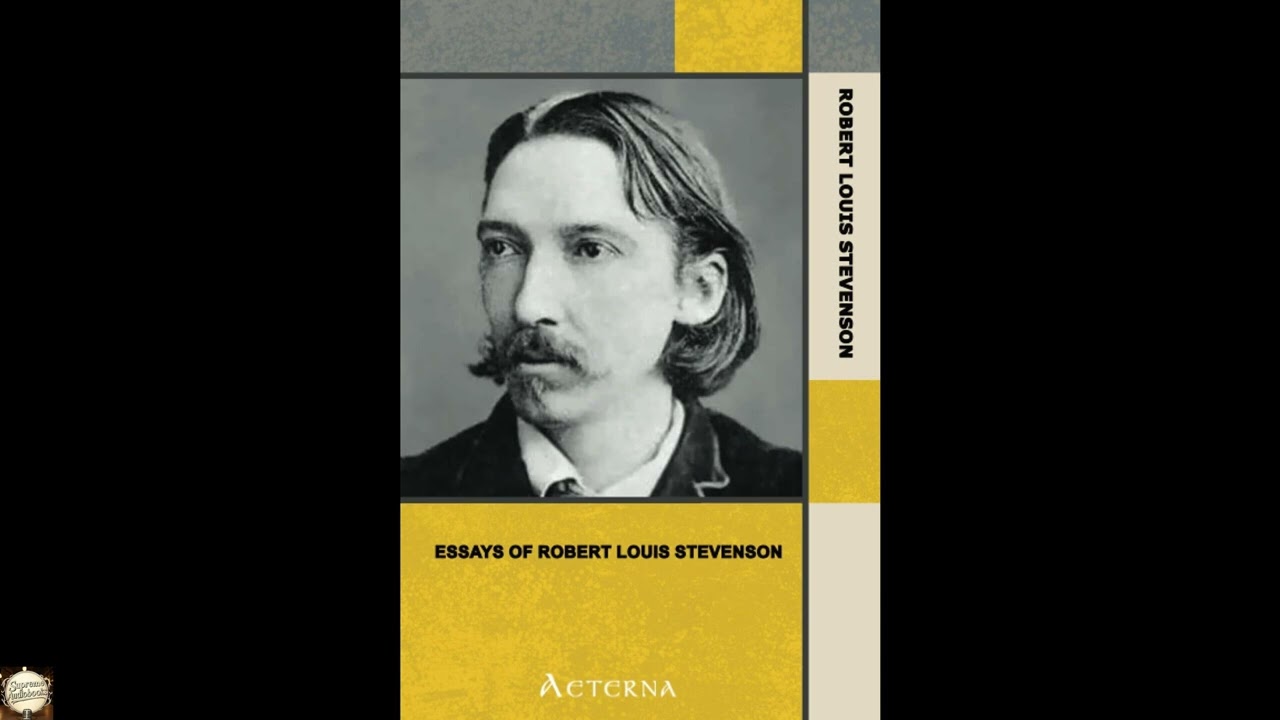
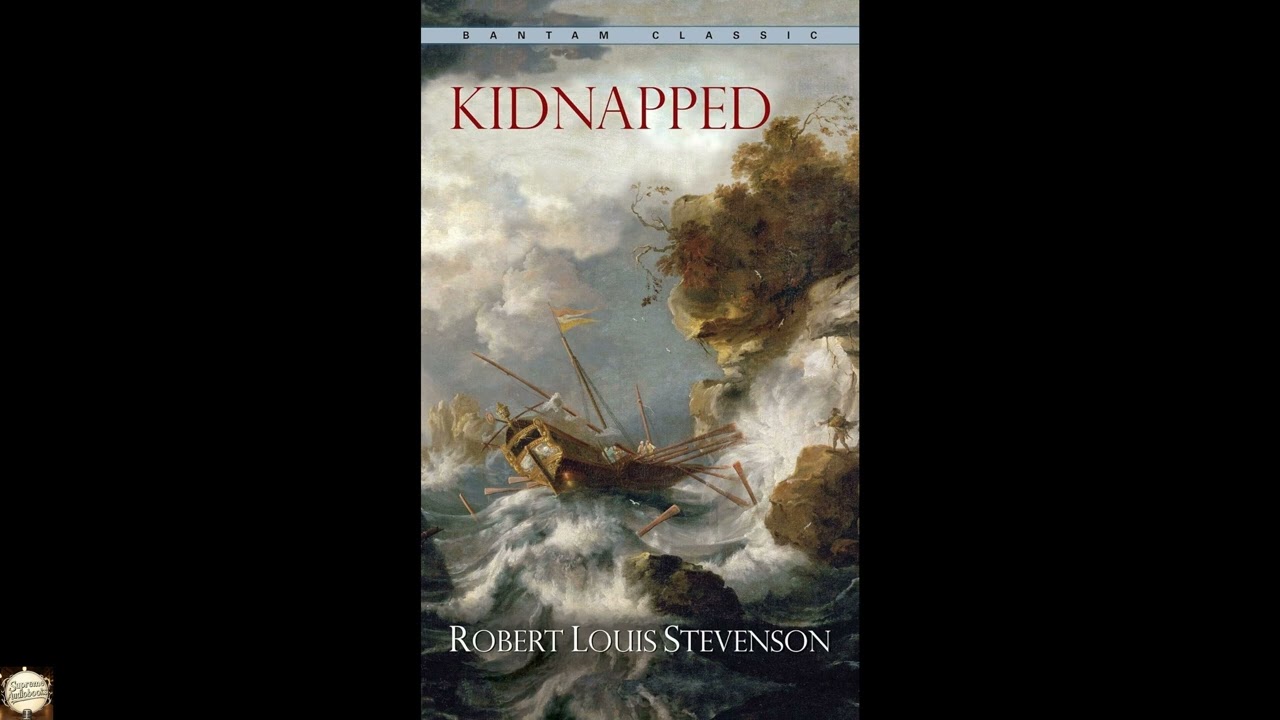
Few stories have so profoundly imprinted themselves upon the collective imagination as Robert Louis Stevenson's Strange Case of Dr Jekyll and Mr Hyde. Even if you've never read a single page, the names "Jekyll and Hyde" instantly conjure images of a divided self, of a hidden, darker nature lurking beneath a veneer of respectability. This novella, published in 1886, transcends its origins as a Victorian Gothic horror story, continuing to resonate deeply with modern listeners because it grapples with an uncomfortable truth about humanity: the inherent duality within us all, the struggle between our aspirations for good and our susceptibility to baser impulses. It’s a chilling psychological examination that questions the very foundation of identity and morality, prompting us to consider the secrets we keep, even from ourselves. The story unfolds in a fog-shrouded, gas-lit London, a city often depicted by Stevenson as a character in itself, full of shadows and hidden alleyways. Our entry point into this world of mystery is the steadfast and rational lawyer, Mr. Gabriel John Utterson. A man of quiet habits and impeccable Victorian decorum, Utterson is troubled by a peculiar clause in his friend Dr. Henry Jekyll's will, which leaves all his possessions to a mysterious and repulsive individual named Mr. Edward Hyde, should Jekyll disappear or die. Utterson's unease intensifies as he hears disturbing accounts of Hyde’s utterly abhorrent behavior: a child trampled underfoot without remorse, an elderly Member of Parliament brutally murdered. Everyone who encounters Hyde describes a profound, visceral feeling of disgust, an impression of pure evil. Driven by a sense of duty and a growing dread for his friend's safety, Utterson begins an amateur investigation. He discovers Jekyll’s increasingly reclusive nature and attempts to speak with him, only to be met with evasion and a profound sense of anguish from the usually jovial doctor. The mystery surrounding Hyde deepens as Jekyll’s behavior becomes more erratic, and the violent incidents attributed to Hyde escalate. As Hyde seems to gain more influence over Jekyll’s life, respectable society begins to whisper, and Utterson fears that his esteemed friend is entangled in some terrible, perhaps even supernatural, affair. The lawyer finds himself caught in a web of mounting tension and unanswered questions, desperate to uncover the true connection between the respectable Dr. Jekyll and the loathsome Mr. Hyde before tragedy consumes them both. Robert Louis Stevenson, the author behind this enduring tale, was a remarkable figure whose own life often paralleled the adventurous spirit and psychological complexities found in his writing. Born in Edinburgh, Scotland, in 1850, Stevenson was a sickly child, plagued by respiratory ailments that would follow him throughout his life. Despite his frail health, he possessed an unquenchable thirst for life and a keen intellect, initially studying engineering and then law at Edinburgh University, though he never practiced. He found his true calling in literature, becoming a prolific writer of novels, essays, and poetry. Stevenson's persistent ill health often forced him to seek warmer climates, leading him to travel extensively across Europe, the United States, and eventually, to settle in the South Seas island of Samoa. These travels and his deep immersion in different cultures profoundly influenced his imagination, feeding his well-known propensity for stories of adventure, moral quandaries, and human struggle. He is celebrated for classics such as the swashbuckling pirate tale Treasure Island and the historical adventure Kidnapped, but his place in the literary canon is also secured by his profound ability to craft psychological narratives that plumb the depths of human nature, making him a central voice in late Victorian fiction. He passed away in Samoa in 1894, leaving behind a body of work that continues to fascinate and challenge readers worldwide. Strange Case of Dr Jekyll and Mr Hyde powerfully articulates several crucial themes that remain pertinent today. The most prominent is the duality of human nature itself. Stevenson presents the idea that within every individual, there exists both good and evil, a perpetual conflict between our higher aspirations and our base desires. The literal separation of Jekyll and Hyde serves as a stark metaphor for the respectable Victorian gentleman’s hidden vices and repressed urges. Utterson himself, a man of rigid self-control, sometimes finds himself tempted by "irregularities," showing that even the most upright individuals contend with their own shadow selves. This theme compels us to confront the uncomfortable truth that monstrousness can reside not in external evil, but within the very heart of humanity. Another significant theme is the consequences of repression. Victorian society placed immense pressure on outward conformity and moral rectitude, demanding that individuals suppress any impulses deemed uncivilized or immoral. Dr. Jekyll’s initial experiment is driven by a desire to compartmentalize his "undignified" urges, to live a life of unblemished respectability while simultaneously indulging his darker side. The story vividly illustrates that such repression does not eliminate these urges; it merely forces them underground, where they can fester and grow unchecked. Hyde, as the embodiment of Jekyll’s suppressed desires, becomes increasingly dominant and monstrous precisely because he is given free rein without the moral constraints of Jekyll’s conscience. This underscores the psychological danger of denying fundamental aspects of one’s own being. A third theme touches upon the perils of unchecked scientific ambition when unguided by ethical considerations. Jekyll’s pursuit of knowledge, while initially driven by a desire to understand human nature, quickly veers into dangerous territory, creating something unforeseen and uncontrollable. When Stevenson penned this novella in 1886, Victorian Britain was a society undergoing immense change and harboring significant anxieties. Rapid industrialization had transformed London into a bustling metropolis, but also one characterized by stark social inequalities, widespread poverty, and the lurking presence of crime. The gas-lit streets and ever-present fog often served as metaphors for the moral murkiness and hidden lives within the city. Scientific advancements, particularly in biology and psychology, were beginning to challenge traditional religious and moral frameworks, prompting questions about human nature, evolution, and the very structure of the mind. The late 19th century also saw a fascination with sensationalism and the macabre, with newspapers often reporting lurid crimes. Stevenson’s story tapped directly into these cultural currents, reflecting fears about the loss of control, the hidden depravities that might lurk beneath a polished surface, and the moral implications of scientific experimentation. The novella became an instant sensation, resonating profoundly with a public grappling with a rapidly changing world and the unsettling possibility that civility was but a thin veneer over a darker, more primitive nature. It was a time when the rational enlightenment ideals were increasingly confronted by an awareness of the irrational and the subconscious, making Jekyll’s plight particularly resonant. Listening to Strange Case of Dr Jekyll and Mr Hyde as an audiobook offers a uniquely immersive experience, perfectly suited to its Gothic atmosphere. At just under three hours, its concise length makes it ideal for a focused listen that builds suspense without distraction. A skilled narrator can amplify the chilling mood, allowing the fog-bound streets and the sinister figure of Hyde to truly take shape in your mind’s ear. The subtle shifts in vocalization can delineate Utterson's increasingly frantic investigation from Jekyll's despairing pronouncements, and crucially, give voice to the palpable, inexplicable repulsion everyone feels towards Hyde. The pacing of the narration can masterfully control the rising tension, drawing you deeper into the mystery with each passing chapter. Pay close attention to the descriptions of atmosphere and the internal monologues, as the spoken word brings a heightened sense of dread and psychological intensity to Stevenson's precise and evocative prose.
Enjoyed Strange Case of Dr Jekyll and Mr Hyde? A few ways to support us
Audible & Amazon links are affiliate; we may earn a small commission at no extra cost.
About this production
Human narration by a volunteer reader from LibriVox.org, the public-domain audiobook project. LibriVox volunteers record literary works whose copyright has expired in the United States, releasing the resulting recordings into the public domain.
Strange Case of Dr Jekyll and Mr Hyde, first published in 1886 by Robert Louis Stevenson. The underlying text is in the U.S. public domain. We do not republish any modern copyrighted edition, translation, or commentary.
The 4K cinematic visuals accompanying this audiobook are generated by an AI image model from prompts derived from the source text. No copyrighted photos, paintings, or stock footage are used. AI generation is disclosed on every video on our YouTube channel as required by YouTube's altered/synthetic content policy.
English subtitles are transcribed from the LibriVox recording with OpenAI Whisper. Translations into the 11 other supported languages are produced by Meta's NLLB-200 neural translation model. No human translator's copyrighted translation is used.
Questions about sourcing or rights? See our DMCA & Sourcing policy or contact us.
Enjoyed this audiobook?
If you'd like to own a copy of Strange Case of Dr Jekyll and Mr Hyde or hear a professionally produced edition, the links below help support free audiobook production at no extra cost to you.
As an Amazon Associate we earn from qualifying purchases. Audible / print links are affiliate.