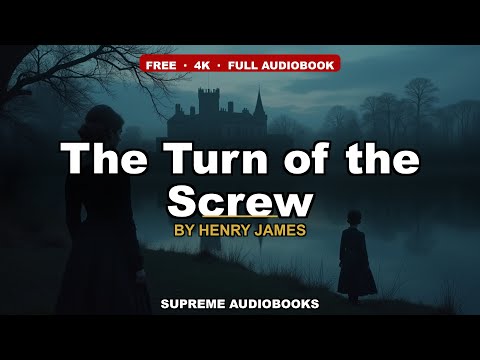
Gothic Horror
25 有声书
A sudden chill descends, not from the weather, but from the pages unfolding within your mind. Shadows lengthen, secrets stir in forgotten corridors, and ancient wrongs demand reckoning. Gothic Horror invites listeners into realms where reason falters against the weight of the past, where crumbling architecture mirrors tormented psyches, and where the human heart battles against forces both supernatural and deeply internal. We seek this particular brand of unease for its potent blend of dread, suspense, and dramatic intensity, finding in its gloomy landscapes a mirror to our deepest fears and a testament to enduring human anxieties. It is a world of sublime terror and exhilarating dread, a whispered promise of what might lurk just beyond the flickering candlelight.
The genre found its genesis in the mid-18th century, breaking away from the rationalist ideals of the Enlightenment. Horace Walpole’s *The Castle of Otranto*, published in 1764, widely receives credit as the spark. Walpole, fascinated by medievalism and the darker aspects of human nature, crafted a tale of an ancient curse, usurped inheritance, and supernatural occurrences within a labyrinthine castle. This foundational work established many conventions: a remote, decaying setting, mysterious plots, damsels in distress, and a pervasive atmosphere of gloom and foreboding. It introduced a new kind of terror, one rooted in the uncanny and the grotesque, a deliberate rejection of the period’s prevailing literary tastes.
As the 18th century drew to a close and the 19th began, Gothic literature expanded its scope and influence. Ann Radcliffe refined the genre, specializing in what critics called "the explained supernatural," where seemingly ghostly events found rational explanations at the story’s end, generating prolonged suspense without resorting to overt fantasy. Her contemporaries, like Matthew Lewis, pushed boundaries with tales of graphic horror and moral transgression, most notably in *The Monk*, creating a distinction between "terror" (anticipation of horror) and "horror" (the explicit depiction of the dreadful). This period saw the genre move beyond mere sensationalism, beginning to probe psychological depths and societal anxieties, laying groundwork for later literary movements and firmly establishing Gothic Horror as a powerful and enduring form of expression.
Among the enduring legacies you will find in our public-domain catalog, Mary Shelley’s *Frankenstein; or, The Modern Prometheus*, first published in 1818, stands as a monumental example. This novel moves beyond simple haunted castles, placing its horror in the hands of scientific ambition and its consequences. It asks profound questions about creation, responsibility, and the nature of humanity through the story of Victor Frankenstein and his intelligent, tormented creature. Another cornerstone is Ann Radcliffe’s *The Mysteries of Udolpho*, from 1794. It exemplifies the atmospheric, suspense-driven Gothic, following the virtuous Emily St. Aubert as she endures imprisonment and psychological torment in a sinister Italian castle, her fate intertwined with hidden family secrets and dark machinations.
Our collection also features later iterations and interpretations of the genre. Wilkie Collins' *Basil* (1852) offers a Victorian Gothic sensibility, a tale of secret marriage, social stratification, and bitter revenge that showcases psychological realism alongside dramatic mystery. For a more direct encounter with ancestral dread and the occult, look to Wilhelm Meinhold’s *Sidonia, the Sorceress: the Supposed Destroyer of the Whole Reigning Ducal House*, published in German in 1847. This sprawling novel, steeped in superstition and historical intrigue, presents a powerful, enigmatic female figure whose beauty conceals a deadly power. Neil Munro’s *Doom Castle* (1901) transports listeners to the stark Scottish Highlands, where ancient feuds and a haunted stronghold provide the backdrop for a tale of lost love and vengeful specters. Also available is Edith Wharton's chilling short story, "Kerfol," from 1916, where the spectral presence of dogs guards a terrible secret from a tragic past, a subtle yet potent example of the genre's enduring power to evoke quiet dread.
Expect certain pervasive themes and conventions when you immerse yourself in Gothic Horror. Isolated and decaying settings—castles, abbeys, or mansions—act as characters themselves, embodying the rot of time and moral decay. The past relentlessly intrudes upon the present, often through curses, family secrets, or inherited guilt. Characters frequently grapple with psychological torment, madness, and the burden of forbidden knowledge. Melodramatic plots involving tyranny, imprisonment, and supernatural occurrences create a sense of heightened reality. You will encounter the innocent, often female, protagonist facing overwhelming forces, alongside sinister villains, Byronic heroes, and characters driven to extremes by passion or despair. The interplay of light and shadow, both literal and metaphorical, consistently reinforces the genre’s pervasive sense of dread and mystery.
The unique atmosphere of Gothic Horror thrives in the audiobook format. Spoken word amplifies the genre's inherent power to create suspense and dread, bringing its brooding narratives to life with an intimacy no printed page can quite match. A skilled narrator's voice controls pacing, building tension with slow, deliberate pronouncements, or accelerating into moments of terror. Voice acting allows distinct characters to emerge, giving personality to villains, vulnerability to victims, and nuance to conflicted figures. The listener becomes truly immersed, the narrator’s voice a whisper in the ear, making the creaks of an old house, the howl of the wind, or the chilling confession feel immediate and visceral. The absence of visual distractions forces a deeper engagement with the language and the unfolding psychological drama, fostering a profound sense of foreboding and unease.
We invite you to step into these darkened realms and experience the thrilling dread of Gothic Horror. Our public-domain catalog offers 23 titles that embody the genre’s rich history and enduring appeal. Begin your unsettling adventure today, and let the echoes of forgotten pasts and the whispers of unseen presences captivate your imagination.
A House to Let
Basil , By Wilkie Collins (novel) World's Classics
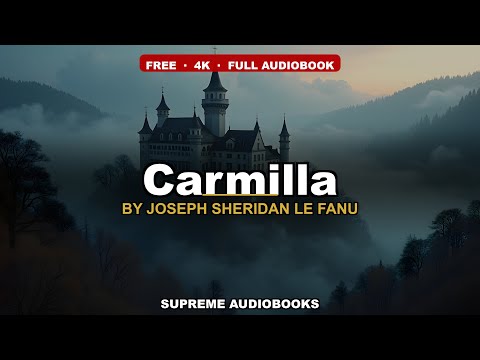
Carmilla
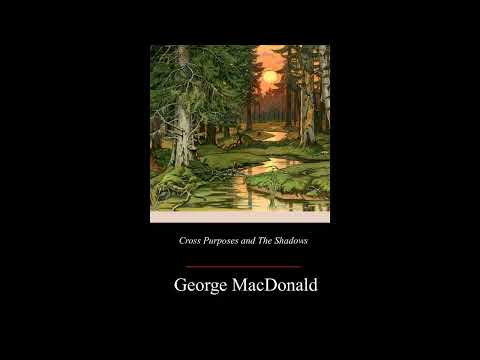
Cross Purposes and The Shadows
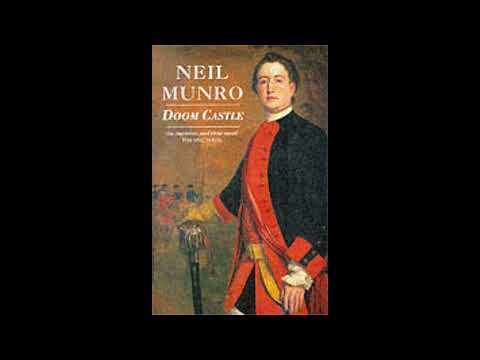
Doom Castle
Dracula (Part 1)
Dracula (Part 2)
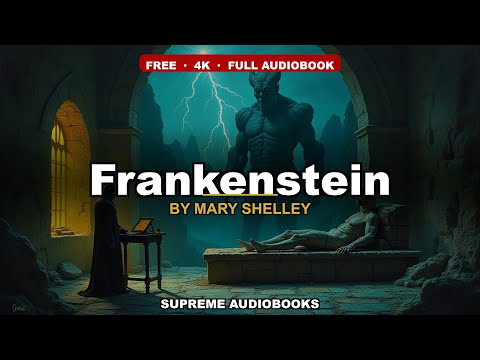
Frankenstein
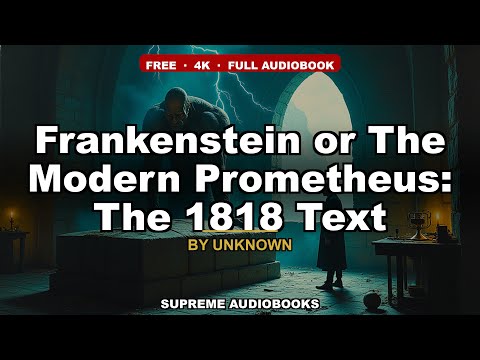
Frankenstein or The Modern Prometheus: The 1818 Text
George Bowring - A Tale Of Cader Idris: From "Slain By The Doones" By R. D. Blackmor- Full Audiobook
In the Closed Room
Jane Eyre
Kerfol - 1916
Memoirs of Carwin the Biloquist (A Fragment)
My Aunt Margaret's Mirror
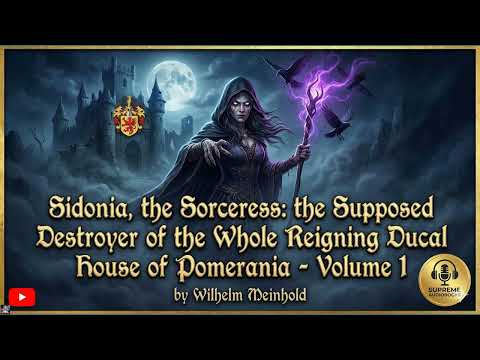
Sidonia, the Sorceress: the Supposed Destroyer of the Whole Reigning Ducal House
Strange Case of Dr Jekyll and Mr Hyde
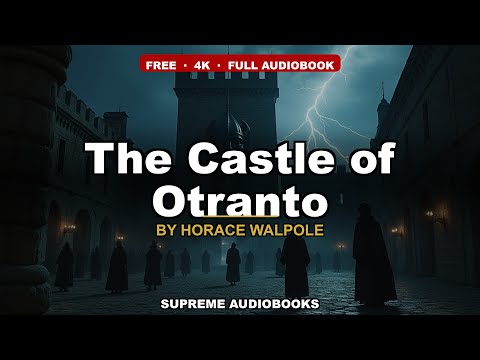
The Castle of Otranto
The Legend Of Sleepy Hollow
The Lifted Veil
The Primrose Path
The Purcell Papers: Volume III
The Purcell papers Volume II
The Strange Case of Dr Jekyll and Mr Hyde