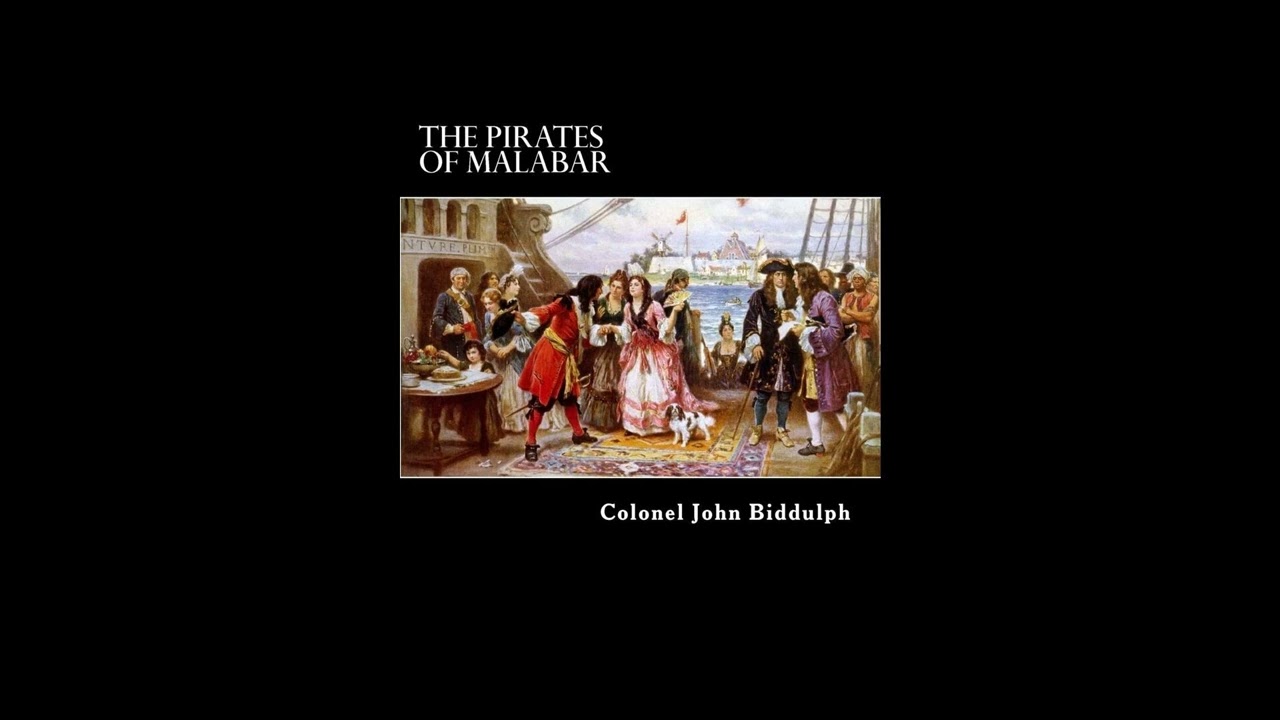
The Pirates of Malabar: And An Englishwoman in India Two Hundred Years Ago
Step back into a world where the vast Indian Ocean was a stage for daring exploits and profound cultural clashes. The Pirates of Malabar: And An Englishwoman in India Two Hundred Years Ago offers a dual lens on a pivotal era, transporting listeners to the tumultuous Malabar Coast during the early decades of the nineteenth century. This classic brings to life not just the sagas of sea rovers who challenged colonial might, but also the equally compelling personal story of a European woman navigating an alien land. It's a vivid snapshot of history, adventure, and personal discovery that resonates today, reminding us of the enduring human spirit and the allure of stories born on the high seas. The narrative cleverly weaves two distinct, yet interconnected strands. One part plunges into the exhilarating world of the Malabar pirates, formidable sea warriors who carved out a precarious existence along India's southwestern coast. The account paints them as figures of defiant independence, navigating treacherous waters and the growing pressures of European colonial powers. We witness their tactical prowess in naval skirmishes, strategic retreats, and complex codes of survival, gaining insight into their ships, raids, and constant struggle for autonomy against the ever-looming British East India Company. Simultaneously, the book introduces an Englishwoman, her name unstated, lending a universal quality, who finds herself far from home amidst early nineteenth-century India. Her story unfolds with a different tension: adapting to a radically different climate, language, and social customs. We see India through her eyes—the bustling markets, elaborate ceremonies, subtle nuances of local society, alongside her often-conflicting feelings of fascination and apprehension. She grapples with expectations as a European woman in a colonial outpost, balancing a desire for understanding with the inherent limitations of her position. These disparate narratives subtly suggest underlying connections, building suspense as their worlds converge within the same historical current, their ultimate destinies unrevealed. The true author of The Pirates of Malabar: And An Englishwoman in India Two Hundred Years Ago remains unknown, a common phenomenon among classic literature from earlier centuries. This anonymity, rather than diminishing its appeal, casts a particular mystique over the text. It invites readers to consider the circumstances under which such a dual narrative might have been compiled or penned, perhaps by a perceptive observer wishing to remain uncredited—a British official or civilian resident with keen interest in both local history and European expatriate experiences, or a skillful compilation of letters, diaries, and historical records by a later editor. The lack of a named author shifts focus entirely to the storytelling's substance: the veracity of its historical depictions, the psychological depth of its characters, and the broader social commentary. Works of this nature often emerged from periods where personal accounts and travelogues were valued, but formal authorship, especially for narratives critiquing colonial practices, was sometimes avoided. Anonymous or pseudonymous accounts were common, often serving as a means for authors to publish without societal opprobrium. This text joins a tradition of uncredited voices, compelling us to ask not "who wrote this?" but "what truth does this text convey, and why was this story so important to be told?" Several enduring themes emerge with clarity and power. First is cultural encounter and misunderstanding. The Englishwoman's observations of Indian life, while often empathetic, are filtered through a European lens, highlighting the deep chasm between cultures and barriers to true understanding. A scene depicting her struggle to comprehend a local festival illustrates this—her appreciation for its beauty clashing with her inability to grasp its spiritual depth. This also touches on identity in a foreign land, as the Englishwoman grapples with a fragmented self, pulled between Englishness and India's influence. Another prominent theme is freedom versus control. The pirates, for all their violence, represent a defiant spirit of independence against encroaching British dominion, embodying an untamed freedom of the seas. Their refusal to bend to imperial will speaks to a fundamental human desire for self-determination. This contrasts sharply with the Englishwoman's experience, where her personal freedoms are constrained by rigid social conventions and colonial decorum. Her internal struggles against these restrictions offer a quieter, yet compelling, exploration of what it means to be truly free. A scene might detail a pirate leader's impassioned speech about sovereignty, immediately followed by the Englishwoman’s private musings on her own constraints. The stark realities of colonialism and its effects are also ever-present, influencing trade, social hierarchies, and personal destinies. The period approximately "two hundred years ago"—the early 19th century—was a transformative era for India and the British Empire. This was when the British East India Company transitioned from a trading enterprise to a dominant political and military power. The Malabar Coast, with its strategic ports, had long been a contested region. Piracy was a significant threat to shipping and a form of resistance against foreign encroachment. Literarily, Romanticism flourished in Europe, fostering a fascination with the exotic and adventurous; travel narratives were highly popular. The Pirates of Malabar emerges from this confluence, reflecting its time's prevailing curiosities and geopolitical realities. Listening to The Pirates of Malabar: And An Englishwoman in India Two Hundred Years Ago as an audiobook offers a uniquely immersive experience. A skilled narrator brings authenticity and atmosphere to this dual narrative, making the clashing of swords and the rustle of silk equally vivid. The "several hours" runtime is perfectly suited for extended listening—during a long commute, while engaging in household tasks, or simply relaxing and letting your imagination sail to distant shores. Subtle shifts in pacing—from the thrilling crescendo of a sea chase to the quiet introspection of the Englishwoman's diary entries—are expertly conveyed through vocal nuance. Listen for distinct voices differentiating pirates from colonial administrators, and for how the narrator evokes the sounds and scents of the Malabar Coast, transporting you into this bygone era of high adventure and discovery.
Enjoyed The Pirates of Malabar: And An Englishwoman in India Two Hundred Years Ago? A few ways to support us
Audible & Amazon links are affiliate; we may earn a small commission at no extra cost.
About this production
Human narration by a volunteer reader from LibriVox.org, the public-domain audiobook project. LibriVox volunteers record literary works whose copyright has expired in the United States, releasing the resulting recordings into the public domain.
The Pirates of Malabar: And An Englishwoman in India Two Hundred Years Ago. The underlying text is in the U.S. public domain. We do not republish any modern copyrighted edition, translation, or commentary.
The 4K cinematic visuals accompanying this audiobook are generated by an AI image model from prompts derived from the source text. No copyrighted photos, paintings, or stock footage are used. AI generation is disclosed on every video on our YouTube channel as required by YouTube's altered/synthetic content policy.
English subtitles are transcribed from the LibriVox recording with OpenAI Whisper. Translations into the 11 other supported languages are produced by Meta's NLLB-200 neural translation model. No human translator's copyrighted translation is used.
Questions about sourcing or rights? See our DMCA & Sourcing policy or contact us.
Enjoyed this audiobook?
If you'd like to own a copy of The Pirates of Malabar: And An Englishwoman in India Two Hundred Years Ago or hear a professionally produced edition, the links below help support free audiobook production at no extra cost to you.
As an Amazon Associate we earn from qualifying purchases. Audible / print links are affiliate.
More by Unknown
Notes and Queries, Number 139, June 26, 1852

My Lady of the Chimney Corner: A Story of Love and Poverty in Irish Peasant Lif- Full Audiobook
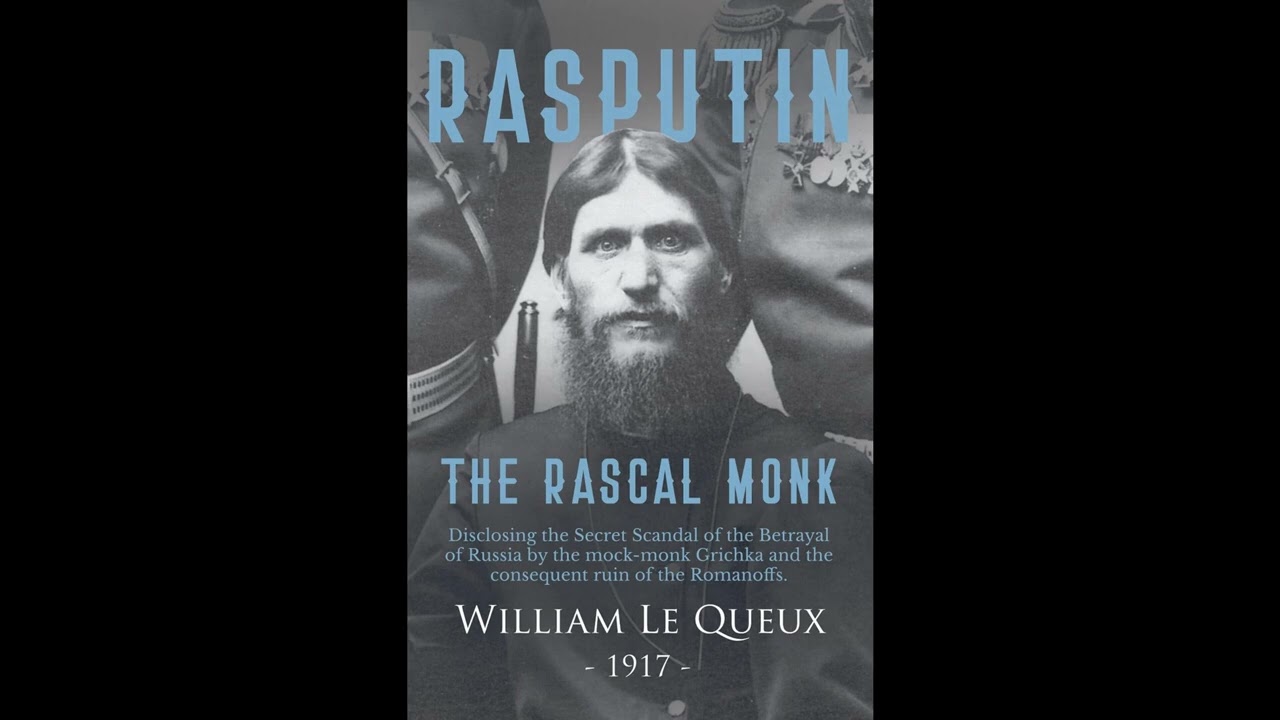
Rasputin the Rascal Monk: Disclosing the Secret Scandal of the Betrayal of Russia