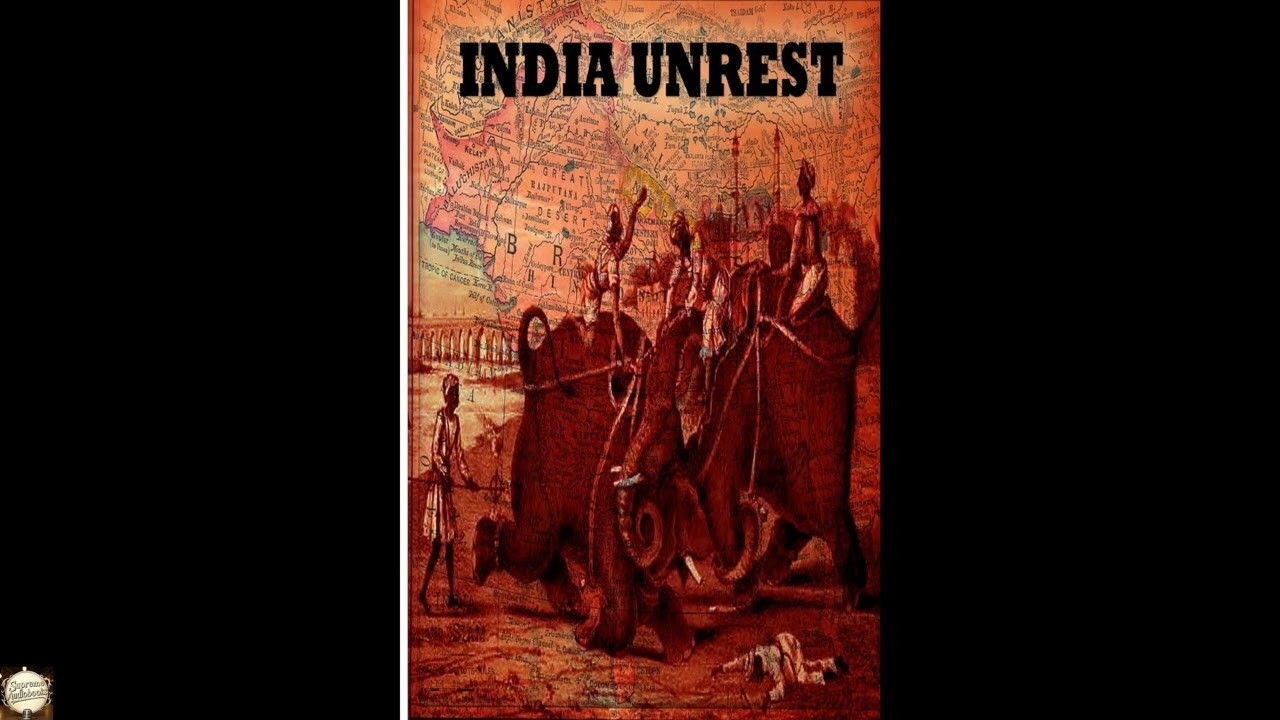
The true nature of the Indian unrest must be sought not merely in economic grievances, but in a profound disturbance of minds and beliefs.
Context: Chirol states this early in the book, emphasizing that the 'unrest' is deeper than simple poverty or administrative issues. He argues it stems from ideological and cultural shifts brought about by Western influence and nascent nationalism.
It was Western education, bestowed with the best intentions, that first sowed the seeds of discontent amongst the educated classes.
Context: Chirol frequently points to the paradoxical effect of British education in India. He observes that by exposing Indians to Western liberal thought, the British inadvertently equipped them with the intellectual tools to challenge colonial rule.
The vernacular press, often irresponsible and inflammatory, became a powerful engine for disseminating seditious doctrines.
Context: Chirol critiques the role of the Indian-language newspapers. He views them as instrumental in spreading nationalist and anti-British sentiment, often exaggerating grievances and inciting disaffection among the populace.
Hindu revivalism, under the guise of religious reform, frequently served as a cloak for purely political agitation.
Context: Chirol analyzes how religious movements like the Arya Samaj and the Shivaji cult were intertwined with political nationalism. He suggests that what appeared as cultural or religious revitalization often masked underlying anti-British political objectives.
The Minto-Morley Reforms, however genuine in their intention, were perhaps too late to satisfy the growing aspirations they were designed to meet.
Context: Chirol assesses the impact of the 1909 reforms, which aimed to increase Indian representation in legislative councils. He suggests that while well-meaning, these reforms fell short of the burgeoning demands for self-governance, thus failing to fully quell the unrest.
The Swadeshi movement, initially an economic protest, rapidly assumed a political and even revolutionary character.
Context: Chirol details the evolution of the Swadeshi (buy Indian) movement, which originated as a boycott of British goods. He highlights how it quickly transformed into a powerful symbol of political resistance and a platform for extremist nationalist activities.
Behind the veneer of political rhetoric lay an underlying current of anarchism and revolutionary violence that sought to subvert the very foundations of British rule.
Context: Chirol frequently warns against the more extreme elements of Indian nationalism. He emphasizes that while some aspirations were constitutional, a dangerous faction resorted to terrorism and assassination to achieve their aims, threatening the stability of the Raj.
No country presents such a complex tangle of races, religions, and social systems, each contributing in its own way to the peculiar difficulties of its governance.
Context: This statement reflects Chirol's perspective on the inherent challenges of ruling India. He often points to the vast diversity of Indian society as a unique obstacle to unified administration, but also as a factor that sometimes mitigated widespread unrest.
The British Empire in India rests not on force alone, but on a moral claim, the maintenance of which demands constant vigilance and unflinching justice.
Context: Chirol expresses a prevalent imperial sentiment of the era, arguing that British rule was justified by a 'civilizing mission.' He stresses that this moral authority required consistent adherence to principles of good governance and impartiality to be sustained.
Unless these deeper currents of unrest are rightly understood and wisely grappled with, the future of British India will remain clouded with uncertainty.
Context: Concluding his analysis, Chirol issues a stark warning about the future of British rule. He implies that superficial solutions or a failure to address the underlying causes of discontent would inevitably lead to further instability and challenges to the Empire.