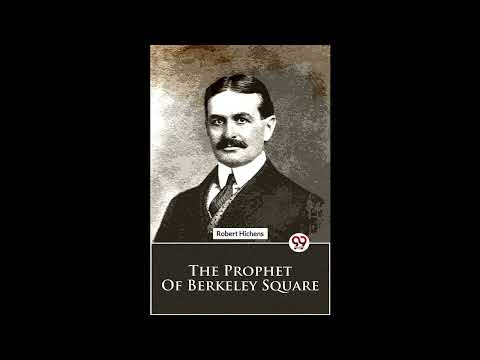
About Robert Hichens
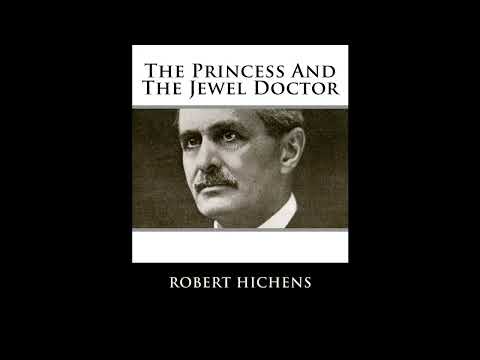
The literary landscape of the late Victorian and Edwardian eras saw the rise of many unique voices, among them Robert Hichens, born in Speldhurst, Kent, England, on November 14, 1864. A prolific writer whose career spanned more than half a century, Hichens offered readers a blend of psychological depth, social commentary, and exotic romance, until his death in Zurich, Switzerland, on December 20, 1950.
Hichens's early life saw him attend Clifton College before initially pursuing a career in music, studying at the Royal College of Music. However, his interests soon broadened to literature, leading him to London University. This dual exposure to artistic disciplines, combined with an early inclination towards travel and observation, laid the groundwork for his distinctive narrative style and his lifelong fascination with human nature and diverse cultures.
His entry into the publishing world arrived with a significant splash in 1894 when he anonymously published *The Green Carnation*. This satirical novel, a thinly veiled lampoon of Oscar Wilde and the Aesthetic movement, instantly became a scandalous sensation. Its wit and audacity quickly revealed Hichens as a keen observer of societal eccentricities and a stylist with a sharp, often playful, voice, propelling him from relative obscurity to notoriety in the fin-de-siècle literary scene.
Following this controversial debut, Hichens shifted his focus from social satire to more expansive and often melodramatic psychological novels. His most notable works include *The Green Carnation*, which skewered the excesses of the Aesthetic movement; *Flames*, a supernatural tale contemplating soul transference; *The Garden of Allah*, his most renowned novel about a woman’s love for a Trappist monk amidst the Sahara Desert; *The Call of the Blood*, set in Sicily, which grapples with inherited passion and primal instincts; *Bella Donna*, a psychological thriller unfolding amidst Egyptian landscapes; and *Desert Air*, another tale steeped in the atmosphere of North Africa.
Across his extensive body of work, Hichens frequently returned to specific stylistic and thematic concerns. He developed a keen interest in the moral ambiguities of his characters, often pitting spiritual aspiration against carnal desire or societal convention against individual longing. His settings, particularly the sun-drenched, mysterious landscapes of Egypt and North Africa, functioned not merely as backdrops but as potent forces shaping the destinies of his protagonists. For instance, in *The Garden of Allah*, the vast, indifferent desert becomes a metaphor for both the spiritual wilderness and the overwhelming power of human connection, forcing characters to confront their deepest convictions and vulnerabilities. He employed vivid descriptions and a focus on internal conflict to illustrate the struggles of individuals caught between opposing forces.
Hichens enjoyed considerable popularity in his time, with *The Garden of Allah* becoming a massive bestseller and many of his novels receiving adaptations for stage and screen. He occupied an important place among authors who introduced "orientalist" themes and psychological realism to a broad readership in the early 20th century. While his influence might not be as widely recognized today as some of his contemporaries, his novels provide a fascinating window into the anxieties, desires, and cultural fascinations of his era, often with a unique dramatic flair.
Listeners today can still experience the exotic settings and psychological drama that defined his writing by enjoying his works as free audiobooks.
More on Wikipedia →