Drama
67 livres audio
The human story, with all its triumphs and heartbreaks, finds its most direct and potent expression in drama. Listeners turn to these narratives for heightened emotion, for sharp insights into the human condition, and for a profound understanding of the struggles and complexities that define our existence. Here, characters confront fate, society, and each other, often revealing the very essence of human nature through their words and deeds. It is where raw emotion meets eloquent speech, creating moments of intense catharsis, poignant humor, and enduring reflection. We listen to drama to witness life in its most concentrated form, to feel deeply, and to remember what it means to be alive.
The genesis of drama stretches back to the religious rituals and communal storytelling of ancient Greece, evolving from rites honoring Dionysus into sophisticated theatrical performances. The fifth century BCE saw the flourishing of tragedy, with playwrights like Aeschylus, Sophocles, and Euripides crafting works that examined destiny, moral choice, and the relationship between gods and mortals. Aeschylus introduced a second actor, Sophocles a third, increasing the capacity for complex dialogue and character interaction. Alongside tragedy, comedy developed, pioneered by Aristophanes, who used satire and exuberant wit to comment on Athenian society and politics. These early forms established foundational conventions: a chorus providing commentary, heightened language, and plots driven by significant ethical or societal conflicts.
Drama moved beyond its Greek and Roman foundations into the medieval period, taking new shapes in mystery plays, miracle plays, and morality plays, which often served religious instruction, illustrating biblical stories or allegorizing the struggle between good and evil. The Renaissance brought a dramatic resurgence, most notably with William Shakespeare, whose plays like *Hamlet* and *Romeo and Juliet* showcased unparalleled psychological depth and poetic language, creating enduring archetypes. The English Restoration period in the late 17th century introduced the witty, cynical comedies of manners, satirizing aristocratic society. By the 18th century, a focus on domestic themes and sentimentalism began to emerge, often with strong moralizing tones, leading toward the melodrama of the 19th century and the nascent realism found in the works of Henrik Ibsen, who exposed social hypocrisies and psychological truths.
Within our catalog, you will discover the foundational works that shaped dramatic literature. Our collection includes "Specimens of Greek Tragedy," which brings together the profound ethical dilemmas and poetic language of ancient playwrights like Aeschylus and Sophocles. Listeners can immerse themselves in the fate-driven narratives of *Oedipus Rex* or *Antigone*, works that continue to resonate with their universal questions about free will and consequence. Moving to the wit of the 18th century, Oliver Goldsmith’s "She Stoops to Conquer: The Mistakes of a Night" offers a lively example of a comedy of manners, where mistaken identities and clever deceptions fuel a humorous tale of courtship and social class, a delightful contrast to the starkness of Greek tragedy. Richard Brinsley Sheridan’s "St. Patrick's Day; Or, The Scheming Lieutenant: A Farce in One Act" provides another example of the era's lighthearted and intricate comedic style, showcasing sharp dialogue and quick plot twists.
As drama progressed into more modern sensibilities, the works of August Strindberg—including plays like "The Father" and "Countess Julie," found within our collection of his "Plays"—reveal a raw, psychological naturalism, scrutinizing marriage and gender roles with unflinching intensity at the close of the 19th century. From the early 20th century, John Millington Synge’s "Riders to the Sea" stands as a powerful, somber tragedy of Irish rural life, capturing the inexorable power of the sea and the quiet dignity of human suffering with stark, poetic language. George Bernard Shaw's "Pygmalion," published in 1913, offers keen social commentary wrapped in a witty, engaging plot about a phonetics professor who transforms a Cockney flower girl into a lady. These works illustrate drama's evolving forms, from classical grandeur to intimate psychological studies and pointed social critiques, all present in our selection.
Across these diverse plays, listeners will encounter recurring themes of conflict, both external struggles against societal norms or overwhelming odds, and internal battles within the human psyche. You can expect to find tales grappling with morality, justice, revenge, and the complex dynamics of love and power. Relationships—familial, romantic, and societal—stand at the core of many plots, as characters navigate ambition, betrayal, and reconciliation. The human capacity for both great good and profound error unfolds through carefully constructed plots, driven by dialogue and pivotal events, often leading to moments of profound revelation or inescapable consequence.
The audiobook format is particularly well-suited to drama because plays are, at their very heart, meant to be heard. A skilled narrator brings the distinct voices of each character to life, conveying emotional nuances, comedic timing, and dramatic tension with an immediacy that reading alone might not fully capture. The ebb and flow of dialogue, the crucial pauses, and the escalating or diminishing pace of a scene truly shine when interpreted by professional voice artists. This allows the listener to experience the play closer to its original intention as a performed work, drawing them into the unfolding atmosphere and the emotional currents of the narrative in a truly immersive way.
We invite you to experience the emotional power and intellectual depth of this genre. Our collection offers 67 titles in drama, encompassing centuries of human stories, from the ancient world to the dawn of modernism. Begin your exploration today and discover the enduring appeal of tales told through confrontation, dialogue, and unforgettable characters.
A Collection of Old English Plays, Volume 1
A Doll's House
A Family Man : in three acts
A Select Collection of Old English Plays
A Trip to Scarborough, and the Critic: Or, a Tragedy Rehearsed
Alice Sit
All's Well That Ends Well
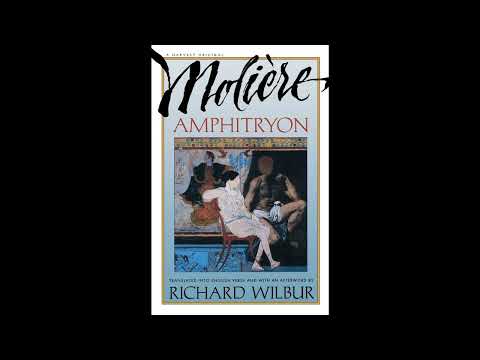
Amphitryon, By Molière
An Enemy Of The People

Androcles and the Lion: An Old Fable Renovated
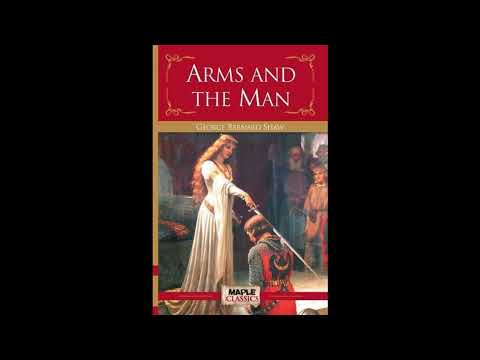
Arms and the Man
Augustus Does His Bit: A True-to-Life Farce
Back to Methuselah
Beggars Bush - From the Works of Francis Beaumont and John Fletcher (Volume 2 of 10)- Full Audiobook
Caesar and Cleopatra : A History
Cymbeline

Damaged Goods; the great play "Les avaries"
Deirdre of the Sorrows
Duty, and other Irish Comedies
EGMONT: A PLAY
Five Little Play
Four Plays of Aeschylus
Four Short Plays

Ghosts
Great Catherine (Whom Glory Still Adores)
Hadda Padda; a drama in four acts
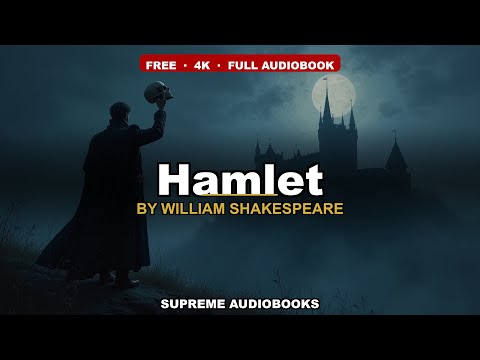
Hamlet
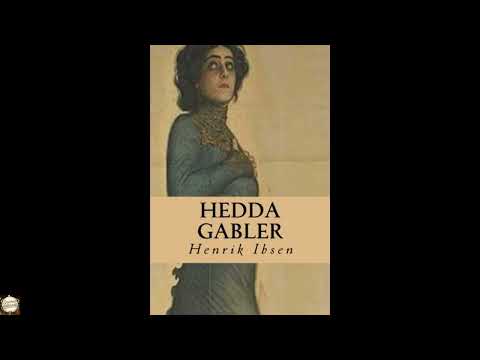
Hedda Gabler
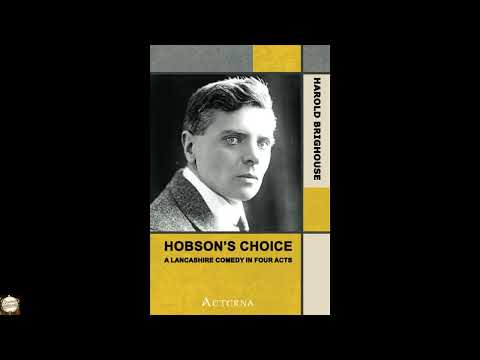
Hobson's Choice: A Lancashire Comedy in Four Acts
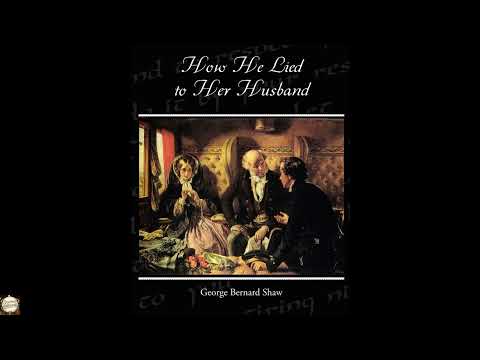
How He Lied to Her Husband
Ivanoff: A four-act drama
JUSTICE
Joy: A Play On The Letter "I"
King Arthur's Socks and Other Village Plays

L'Oiseau bleu (The blue bird) A lyric comedy in four acts and eight scenes
Le Malade Imaginaire. English
Little Eyolf
Lola
Love and Intrigue (A Tragedy)
Lovers' Vows (Revolution and Romanticism, 1789-1834)
Lucky Pehr
Macbeth (The New Cambridge Shakespeare)
Man and Superman a Comedy and a Philosophyv
Master Olof: A drama in five acts
Moliere - The Impostures of Scapin: Les Fourberies de Scapin
Mrs Warren's Profession
New Comedies
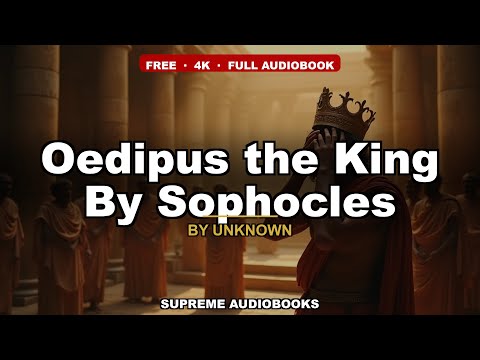
Oedipus the King By Sophocles
Oh! Susannah! A Farcical Comedy in Three Acts

Pericles, Prince of Tyre
Plays

Plays: : the Father; Countess Julie; the Outlaw; the Stronger
Plays: Comrades, Facing Death, Pariah, Easter
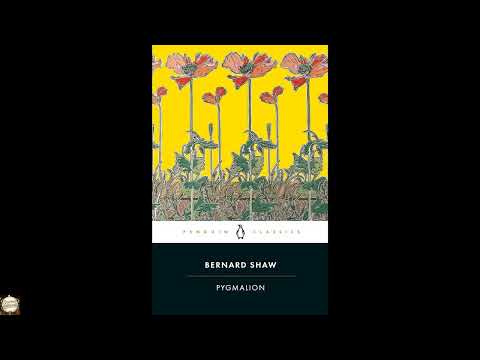
Pygmalion
Representative Plays
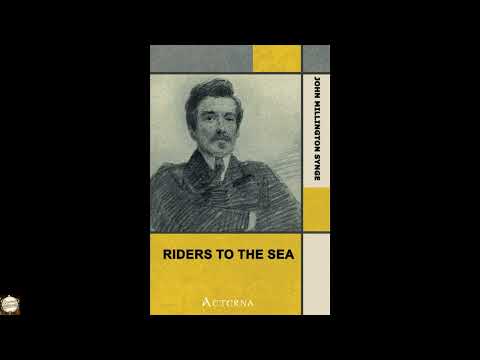
Riders to the Sea
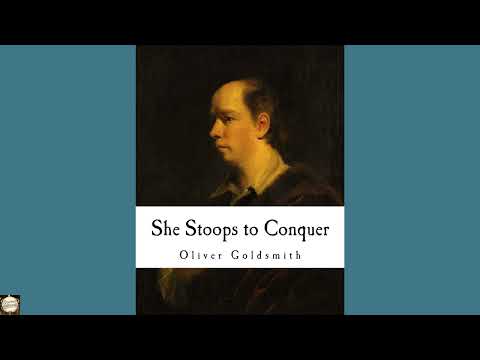
She Stoops to Conquer: The Mistakes of a Night
Six Short Plays
Specimens of Greek Tragedy; Aeschylus and Sophocles
St. Patrick's Day; Or, The Scheming Lieutenant: A Farce in One Act
The Little Dream. An Allegory in Six Scenes
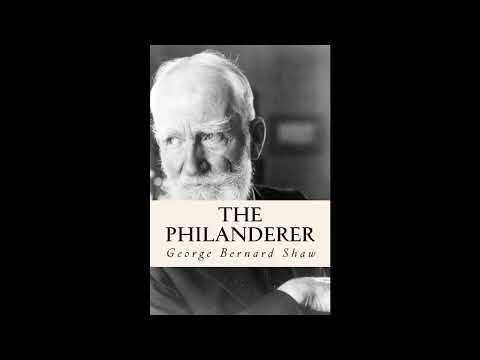
The Philanderer
The Playboy of the Western World: A Comedy in Three Acts (Forgotten Books)
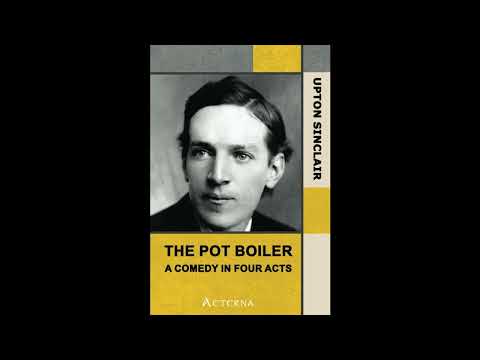
The Pot Boiler: A Comedy in Four Acts
The Storm
The Well of the Saints: A Comedy in Three Acts