Literary Criticism
49 hörbücher
The initial spark of encountering a great work of literature often ignites a desire for deeper understanding, a longing to peel back layers of meaning and connect with the minds that shaped these enduring creations. Listeners drawn to literary criticism seek not merely information, but illumination — a guided conversation with thoughtful intellects who dedicate themselves to understanding art, its origins, its impact, and its profound implications for humanity. This realm offers the unique satisfaction of not only appreciating stories and poems, but also the critical processes that unpack their brilliance, their historical context, and their ongoing resonance. Here, one discovers how literature speaks to its time and to ours, finding intellectual companionship in the very act of thoughtful inquiry.
The practice of critically assessing written works traces its lineage back to classical antiquity. Figures like Plato, in his Republic, questioned the moral and societal role of poets, while Aristotle, in Poetics, laid down foundational principles for understanding tragedy and epic, dissecting plot, character, and language with a precision that still informs analysis today. During the Roman era, Horace offered his Ars Poetica, outlining rules for poetic composition and encouraging writers to blend instruction with delight. These early pronouncements established a tradition of not just consuming art, but actively engaging with its construction and purpose. The Renaissance saw a resurgence of these classical ideals, with critics like Philip Sidney defending poetry in an age of rising Puritan skepticism, arguing for its moral and aesthetic power in his “An Apology for Poetry,” written around 1580.
The eighteenth century solidified literary criticism as a distinct intellectual pursuit. Samuel Johnson, a towering figure, brought both immense learning and sharp judgment to his “Lives of the Most Eminent English Poets” (1779–1781) and especially his monumental “Preface to Shakespeare” (1765). Johnson approached authors with a blend of historical context, biographical insight, and an unsparing yet ultimately reverent eye for their genius and their flaws. The Romantic period, beginning in the late 18th and early 19th centuries, shifted focus from classical rules to individual genius, emotion, and imagination. Samuel Taylor Coleridge, in his “Biographia Literaria” (1817), mused on the nature of poetic imagination and the creative process itself, offering profound insights into the works of Wordsworth and other contemporaries, and setting the stage for more subjective, reader-response approaches to art.
Our public domain collection offers a direct channel to these seminal voices and many others who shaped our understanding of literature. Consider Matthew Arnold’s “Essays in Criticism,” first series published in 1865, and the second in 1888. Arnold’s work champions a refined aesthetic and moral purpose for literature, arguing for its power to elevate and civilize. His essays analyze figures from Homer to Wordsworth, often measuring them against a standard of “high seriousness.” Another key voice is Walter Pater, whose “Studies in the History of the Renaissance” (1873) moved the needle towards aestheticism, arguing for the intrinsic beauty and sensory experience of art. Pater’s flowing prose encourages readers to appreciate art for its own sake, influencing generations of writers with his eloquent celebration of beauty.
Listeners will also find American perspectives that enrich the critical landscape. Henry James, renowned novelist, offered piercing insights into both literature and art in collections like “Picture and Text” (1893). His essays reveal the acute sensitivity of a master craftsman observing his peers and the visual arts, providing a unique bridge between creative practice and critical theory. William Lyon Phelps’s “Robert Browning: How to Know Him” (1915) exemplifies a popular and accessible approach to criticism, guiding readers through the intricacies of a major poet’s work with clarity and enthusiasm. For a specific regional focus, F. V. N. Painter’s “Poets of the South” (1903) presents biographical and critical studies of Southern American poets, providing both historical context and appreciative analysis. And for a specific genre study, Arthur Symons’s “Studies in Early Victorian Literature” (1910) offers a discerning look at the works and influences that defined a significant period in English letters. These titles, among many others, demonstrate the breadth and depth of critical engagement with literary art.
Listeners approaching this field can expect a broad range of themes and conventions. Critics frequently engage in textual interpretation, painstakingly analyzing language, imagery, and structure to unearth deeper meanings. They often provide historical and biographical contexts, illustrating how an author’s life and era shaped their creations. Aesthetic evaluation forms another core component, as critics weigh the artistic merits and impact of works, often comparing them to other pieces within a genre or tradition. Discussions about moral implications, philosophical underpinnings, and the very nature of beauty or truth in art also frequently arise. Across these varied approaches, one consistently finds reasoned argument, careful evidence, and a deep respect for the transformative power of the written word.
The audiobook format particularly suits this kind of material. The careful pacing of a critical argument, articulated by a skilled narrator, allows ideas to unfold with clarity and weight. A well-modulated voice can convey the subtle nuances of a critic’s tone—whether reverent, incisive, or playful—and draw attention to key phrases or analytical leaps. The experience transforms solitary reading into a more intimate, almost conversational engagement, akin to listening to a compelling lecture or engaging in a deep discussion with a brilliant mind. This aural presentation can enhance comprehension, making complex arguments more accessible and allowing the listener to truly absorb the intellectual atmosphere surrounding these profound literary discussions.
We invite you now to browse the fifty titles available in our literary criticism collection. Discover the profound insights offered by these thinkers, allowing their words to deepen your own appreciation for the art of literature. Let their analyses guide you, challenge you, and open new pathways of understanding into the stories, poems, and plays that continue to shape our culture and our consciousness.
A Practical Novelist
A Study of Hawthorne
A Study of Poetry
A Survey of Russian Literature, with Selections
Aboriginal American Authors
Among My Books Second Series
An English Garner - Critical Essays & Literary Fragments
Book of Illustrations. Ancient Tragedy
Characters of Shakespeare's Plays
Confessions and Criticisms
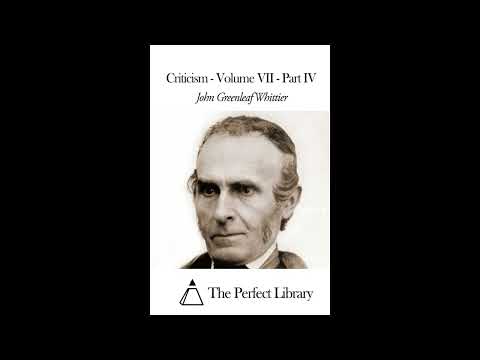
Criticism - Volume VII - Part IV
Definitions: Essays in Contemporary Criticism
Dissertation on the Progress of the Fine Arts
English Literary Criticism
Essays on Paul Bourget
Evolution of Expression Vol. 1 A compilation of selections illustrating the four st
Four Famous American Writers: Washington Irving, Edgar Allan Poe, James Russell Low
Frondes Agrestes: Readings in "Modern Painters"
History of American Literature
Initial Studies in American Letters
Initiation Into Literature
Inside John Barth
Introduction to the Dramas of Balzac
Iranian Influence on Moslem Literature, Part I
Irish Plays and Playwrights
Lectures On Russian Literature: Pushkin, Gogol, Turgenef, Tolstoy
Lectures on the English Poets: Delivered at the Surrey Institution
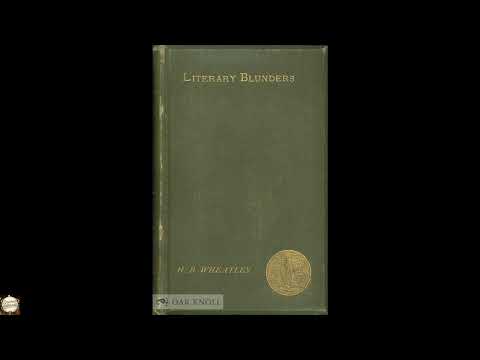
Literary blunders. A chapter in the history of human error
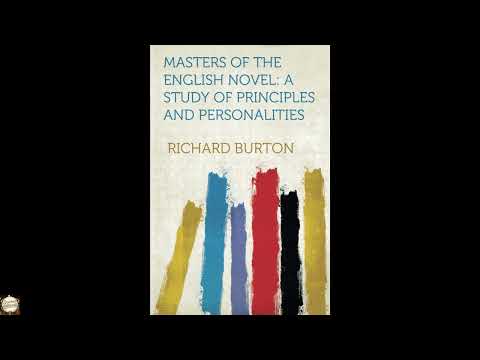
Masters of the English Novel: A Study of Principles and Personalities
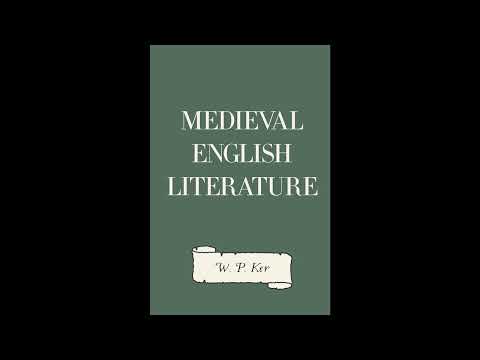
Medieval English Literature
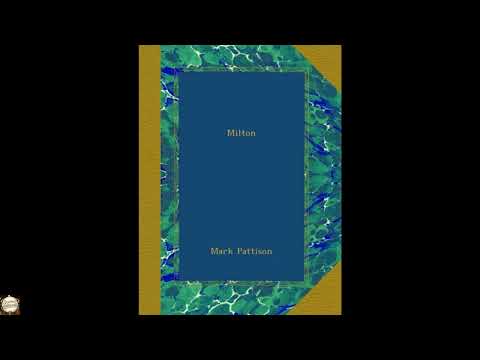
Milton
My Contemporaries in Fiction
Mysticism in English Literature
Nathaniel Hawthorne
On The Art of Reading
On the Art of Writing: Lectures delivered in the University of Cambridge
P. B. Shelley: A Defense of Poetry, and Other Essays
Picture and Text
Poets of the South; a series of biographical and critical studies with typical poem
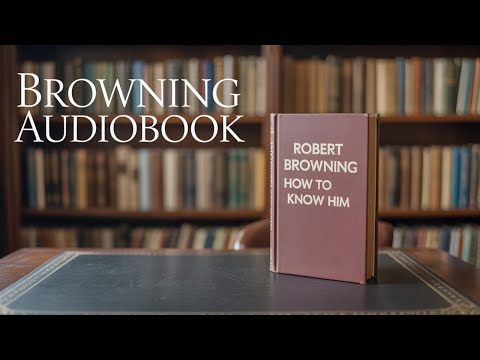
Robert Browning: How to Know Him
Shakespeare And Montaigne: An Endeavour To Explain The Tendency Of 'Hamlet' From Al
Shakespeare Personal Recollections
Shakespeare Study Programs: The Comedies
Studies in Early Victorian Literature
Studies in Folk Song and Popular Poetry
Studies in Literature
The Relation of the Hrólfs Saga Kraka and the Bjarkarímur to Beowulf
The Victorian Age in Literature