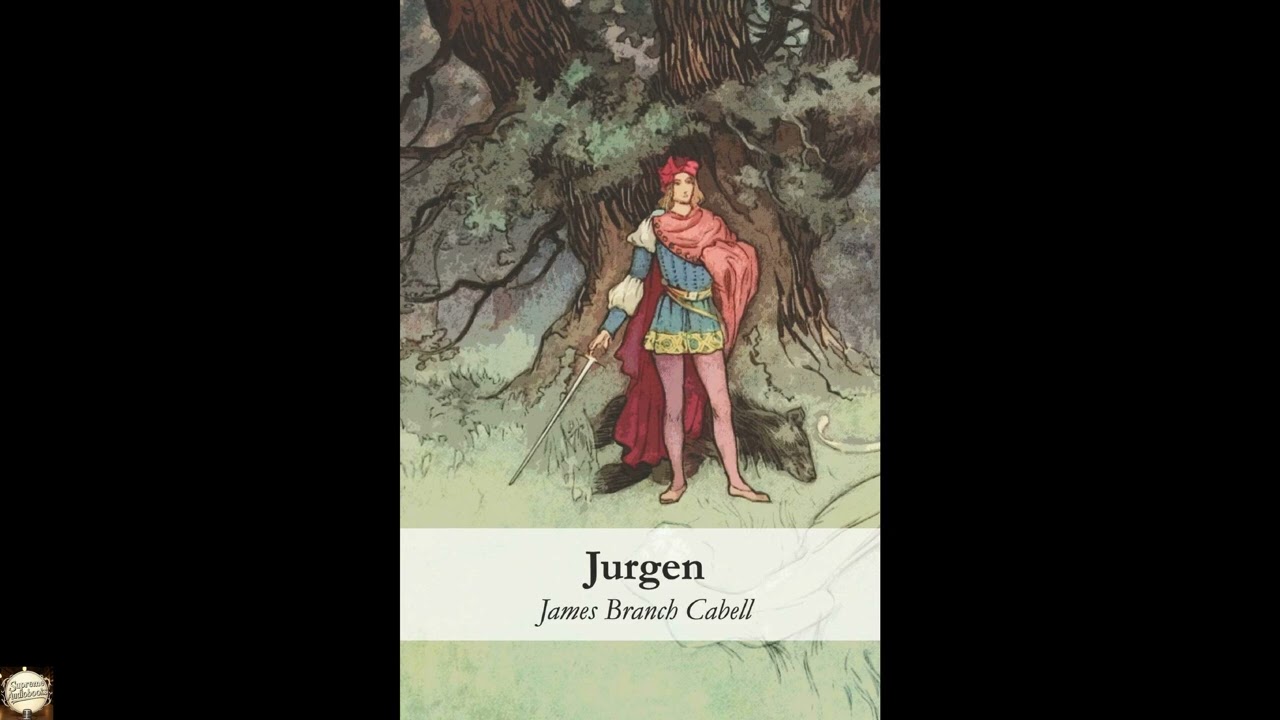
I am Jurgen,” says the pawnbroker, “and I find myself very tolerable company.”
Context: Jurgen frequently introduces himself with this self-assured declaration, immediately establishing his profound self-absorption and cynical contentment. It sets the tone for his character, who remains largely unchanged by his fantastical adventures.
The story of every man is the story of his search for a satisfactory answer to his own questions.
Context: This statement serves as an overarching philosophical theme of the novel, framing Jurgen's fantastical journey as an allegory for the universal human quest. It highlights the elusive nature of ultimate satisfaction and meaning.
What, after all, do I want?
Context: This profound question serves as the driving force behind Jurgen's entire adventure, reflecting his ceaseless search for meaning and purpose. It encapsulates the core philosophical inquiry of the novel about human desire and satisfaction.
Jurgen was a pawnbroker, and he loved justice, and he had a very high opinion of himself.
Context: This narrative description introduces the protagonist, highlighting the paradoxical blend of his mundane profession, his self-serving interpretation of justice, and his immense ego. It succinctly defines his character at the start of his adventures.
And as I live, I swear to do that which seems most comfortable and profitable for myself, always and everywhere.
Context: This is Jurgen's defining personal creed, a cynical declaration of his self-serving philosophy that guides all his decisions. It perfectly captures his pragmatic and often amoral approach to life and his adventures.
I am Koshchei the Deathless, who made things as they are.
Context: Koshchei is the ultimate arbiter of reality in the narrative, claiming responsibility for the state of the world and the rules that govern it. This line underscores his supreme power and his philosophical role as the creator of all existence.
The world has need of a Redeemer; but not of a Truth-Teller.
Context: This profound statement reflects the novel's cynical view on humanity's preference for comfort over stark reality. It suggests that people desire salvation from their troubles, but not necessarily the unvarnished truth about themselves or their condition.
I am the Devil, and I have nothing to conceal.
Context: Spoken by the Devil in Hell, this paradoxical line highlights the inversion of morality and expectation in the infernal realm. It suggests that truth, in a place of torment, is openly acknowledged, unlike in the mortal world.
For there is nothing new under the sun, only things forgotten.
Context: Mother Sereda, the personification of time and oblivion, utters this line to Jurgen. It encapsulates her role in erasing and recycling history, emphasizing the cyclical nature of existence and the transient quality of novelty.
I am Guenevere,” she said. “And I have found the world a very tiresome place.
Context: Spoken by Queen Guenevere to Jurgen, this line reveals her profound disillusionment with the world despite her fame and beauty. It expresses her weariness with conventional expectations and the realities of her legendary life.