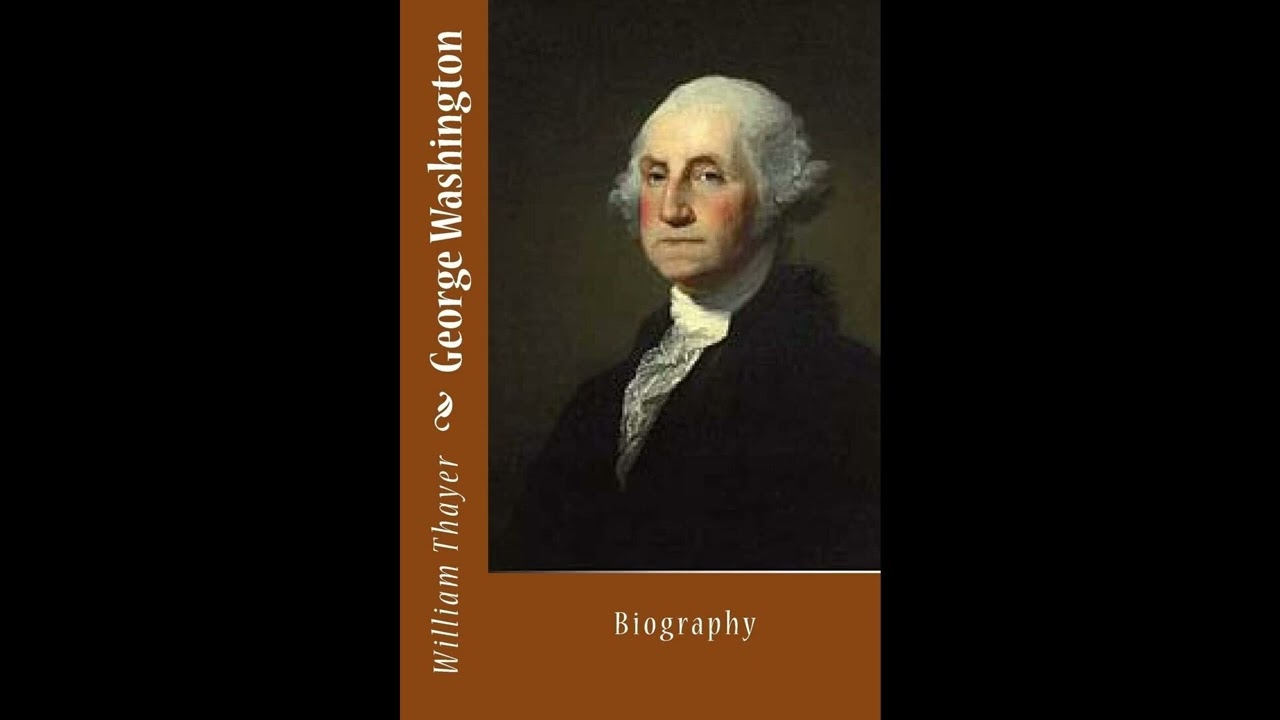
No people can be bound to acknowledge and adore the invisible hand, which conducts the affairs of men, more than the people of the United States.
Context: George Washington spoke these words in his First Inaugural Address (1789), acknowledging divine providence in the formation and preservation of the nation. Thayer likely presents this as a reflection of Washington's deep religious conviction and humility.
Guard against the impostures of pretended patriotism.
Context: From Washington's Farewell Address (1796), this warning cautioned future generations about those who would use nationalist fervor for personal gain. Thayer would highlight this as a core tenet of Washington's political wisdom and concern for the republic's future.
Associate with men of good quality if you esteem your own reputation; for 'tis better to be alone than in bad company.
Context: This advice comes from Washington's early "Rules of Civility & Decent Behavior," reflecting his youthful ambition and focus on character development. Thayer would include it to illustrate the foundational principles guiding Washington's personal and public life from a young age.
His integrity was most pure, his justice the most inflexible I have ever known.
Context: Thomas Jefferson offered this assessment of Washington, praising his moral character and unwavering sense of fairness. Thayer would include such an observation from a contemporary as a vital testament to Washington's esteemed virtues.
If he does that, he will be the greatest man in the world.
Context: King George III reportedly made this remark upon hearing that Washington intended to resign his military commission after the Revolutionary War. Thayer likely features this as a powerful acknowledgment from an adversary of Washington's unprecedented commitment to civilian control and republican idea
First in war, first in peace, and first in the hearts of his countrymen.
Context: Henry Lee delivered this famous eulogy for Washington, summarizing his unparalleled contributions to the nation. Thayer would present this as the definitive expression of Washington's legacy and lasting impact on the American people.
His modesty is natural, not assumed.
Context: Abigail Adams, a keen observer of political figures, offered this insight into Washington's character in a letter. Thayer would use this quote to underscore Washington's genuine humility amidst immense power and public adoration.
The greatest man, for I look upon him as one of the greatest and purest characters the world has produced.
Context: The Marquis de Lafayette, Washington's close friend and ally, spoke these words in deep admiration. Thayer would include this as a testament to the profound respect Washington commanded from his closest associates, particularly a foreign hero.
He is an Aegis, very essential to preserve the union.
Context: Alexander Hamilton, a key architect of the early republic, described Washington this way, highlighting his indispensable role in uniting the fledgling states. Thayer would feature this to emphasize Washington's critical function as a unifying force during a turbulent period.
A character of virtues which have rarely been united in the same man.
Context: Benjamin Franklin, a fellow Founding Father, made this statement reflecting on Washington's exceptional combination of moral and leadership qualities. Thayer would include this as a fitting summary of Washington's unique and profound impact on history.