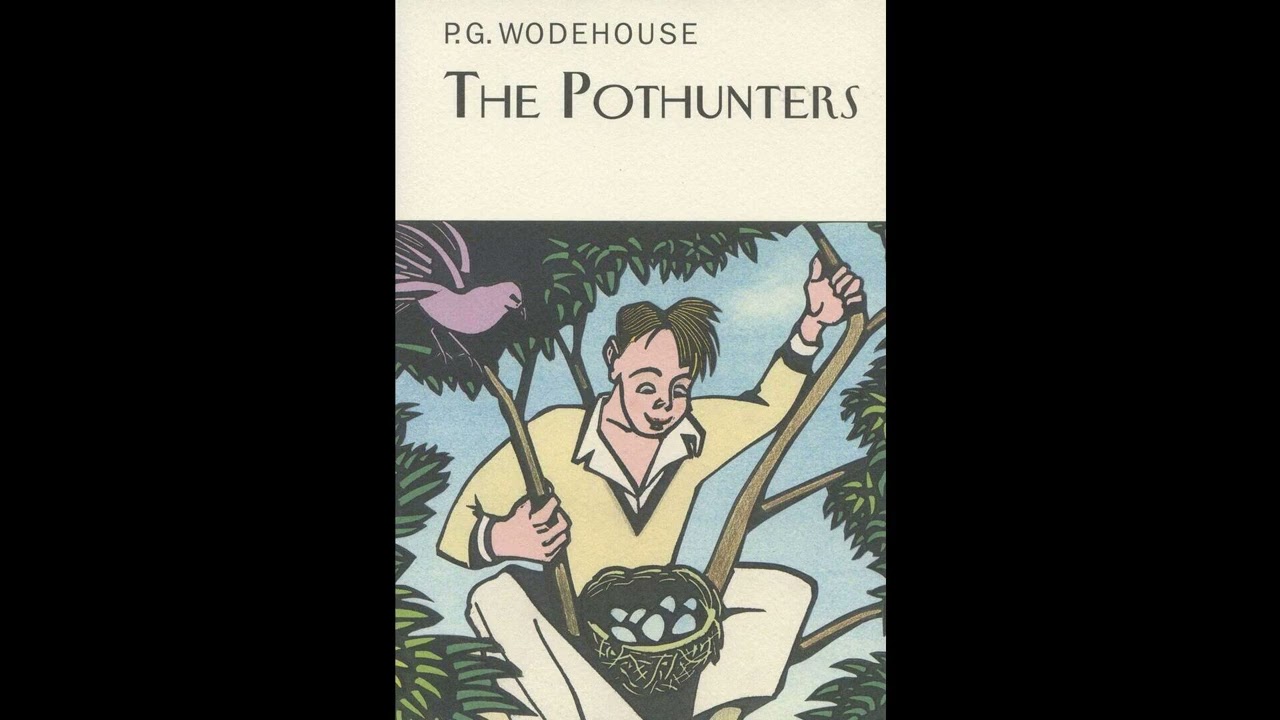
There are few things more annoying than to be dragged from your bed in the small hours of the morning on account of an alarm-bell, which you suspect has been tampered with.
Context: The narrator opens the novel with this observation as the boys of St. Austin's are rudely awakened by a false alarm. It immediately sets a tone of lighthearted mischief and introduces the school setting.
What on earth's the matter, Bob?" said Hunter, rubbing his eyes. "Has the school caught fire?"
Context: Frank Hunter, the protagonist, asks his friend Bob Cherry after being woken by the suspicious alarm bell. This dialogue quickly establishes the setting and the immediate confusion of the boys.
I say, you chaps," said Thomson, bursting into the room without ceremony, "have you heard the news?"
Context: Jim Thomson excitedly interrupts Hunter and Cherry, eager to share the sensational news of the stolen Challenge Cup. This line captures the rapid spread of the mystery through the school.
The fact is, boys," said Mr. Morrison, looking rather haggard, "the Challenge Cup has been stolen."
Context: Mr. Morrison, one of the masters, delivers the shocking news to Hunter and Cherry, revealing the central mystery of the novel. This moment ignites the boys' amateur detective instincts.
It's the most absolutely beastly swindle that was ever committed!
Context: Frank Hunter exclaims this in outrage to Bob Cherry upon hearing the news of the stolen cup. It highlights his strong sense of justice and his initial emotional reaction to the crime.
It makes a fellow feel as if he were living in a book, doesn't it?" said Bob Cherry. "Only it's real!"
Context: Bob Cherry expresses his enthusiasm to Hunter about the stolen cup mystery. This line highlights the schoolboys' excitement, treating the real-life event like a thrilling adventure story.
A master's life, my dear Hunter, is one long series of disillusionments.
Context: Mr. Scotter, a master, makes this weary observation to Hunter during a conversation about school affairs. It offers a glimpse into the teachers' perspective on dealing with mischievous schoolboys.
I hate a fellow who goes about telling everyone that he knows who did it, and then never tells you.
Context: Pringle makes this exasperated remark, complaining about Seymour's habit of teasing others with hints about the cup theft. It captures the schoolboy dynamics of rumor and frustration.
The whole school buzzed like a disturbed beehive, the general opinion being that it was simply ripping.
Context: The narrator describes the students' excited reaction to the news of the stolen cup, highlighting their enthusiasm for a real-life mystery. It shows Wodehouse's characteristic humor in portraying youthful exuberance.
He had that sleek, self-satisfied air which in boys generally denotes either a recent triumph over an inferior in some field of sport, or else a particularly succulent tuck-box.
Context: The narrator uses this humorous observation to describe a boy named Seymour, whom Hunter and Cherry briefly consider as a suspect. It's a classic Wodehousean character description, using exaggeration for comedic effect.