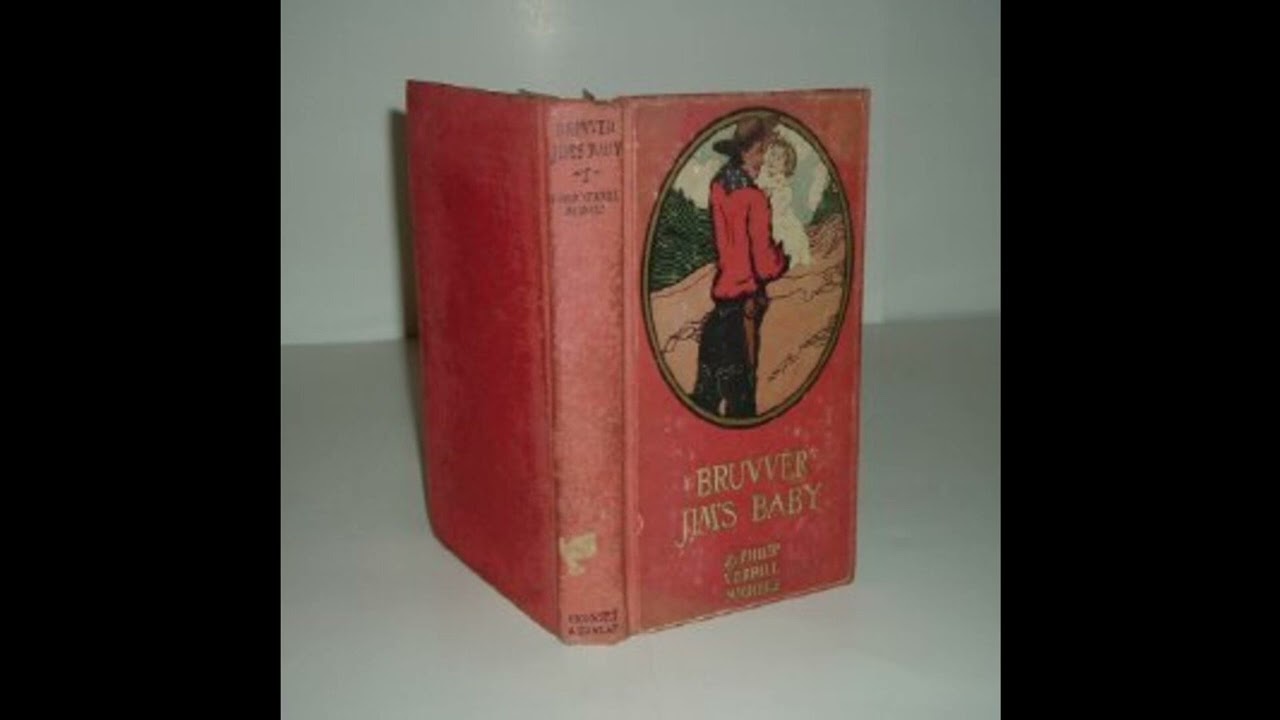
His voice, when it came, was a queer, half-choked sound, ‘Well, I—I reckon I'm stuck with it now, ain't I?’
Context: Bruvver Jim says this to himself shortly after discovering the abandoned infant in the desolate mining camp. It marks his reluctant but decisive acceptance of responsibility for the child, despite his rough exterior and lack of experience.
‘I ain't got no name for him,’ said Jim slowly. ‘He's just… Little Bruvver, I reckon.’
Context: Bruvver Jim speaks these words when asked about the baby's name by a fellow miner. This simple naming reflects his growing affection and the unique bond he forms with the child, making the infant his own 'little brother' in the wild.
‘It ain't every man can raise a baby in this here camp, Bruvver Jim,’ said Old Man Pete, ‘but if any man can, it's you.’
Context: Old Man Pete offers these words of encouragement and recognition to Bruvver Jim. It highlights the community's acknowledgment of Jim's unexpected role and their belief in his capability, despite his tough reputation as a frontiersman.
‘He's a-makin' a man o' me, the little cuss,’ Bruvver Jim confided to himself, gazing at the sleeping infant.
Context: Jim mutters this reflection while observing the baby he now cares for. This internal monologue reveals his profound personal growth and the softening effect the child has had on his hardened character, central to the story's theme of transformation.
‘Who'd a-thought it?’ chuckled Alkali Slim. ‘Bruvver Jim, a-playin' nursemaid. The world's surely turnin' upside down.’
Context: Alkali Slim, a fellow miner, expresses his astonishment at seeing Bruvver Jim caring for the baby. This quote captures the general sentiment of surprise and amusement within the rough mining camp regarding Jim's dramatic change in behavior.
‘There's a different feel about the place now, ain't there?’ commented Mrs. Higgins. ‘Like a little bit of heaven's dropped down amongst us.’
Context: Mrs. Higgins, one of the few women in the camp, observes the subtle yet profound change in the atmosphere. Her words highlight the baby's humanizing and civilizing influence on the entire, previously harsh and desolate community.
‘He's a healthy little specimen, Jim,’ said the doctor, ‘considering the circumstances. You're doing a fine job.’
Context: The doctor reassures Bruvver Jim about the baby's well-being during a visit to the camp. This professional affirmation validates Jim's untaught parenting skills and reinforces his dedication to the child's care amidst the wilderness.
‘This ain't much of a home, maybe, for a little fella,’ Old Man Pete observed, ‘but it's got a whole lot of heart.’
Context: Old Man Pete reflects on the rudimentary living conditions in the mining camp that now serves as the baby's home. His words emphasize that love and community, not material comforts, truly define a nurturing environment for the child.
‘He belongs with us, Mr. Jim,’ she said gently. ‘He needs a proper home, a lady's care.’
Context: Mrs. Carter, representing the baby's biological family, makes a plea to Bruvver Jim to give up the child. Her words highlight the clash between the rough frontier upbringing and the perceived needs for a more conventional, 'proper' home.
‘It's a hard land out here,’ mused another miner, ‘but it brings out the best in some folks, don't it?’
Context: An unnamed miner reflects on the harsh realities of frontier life and its surprising capacity to foster profound human qualities. This observation underscores the theme of resilience and unexpected virtue emerging from difficult circumstances.